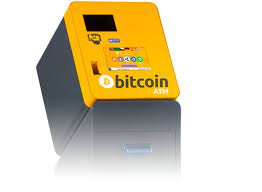
Bitcoin ATMs have started appearing in major shopping malls across Nairobi, days after Kenya’s new law on virtual assets became active. The bright orange machines, branded “Bankless Bitcoin,” were seen at Two Rivers Mall in Gigiri, at malls in Westlands, and along Ngong Road, placed next to traditional bank ATMs where thousands of shoppers pass daily.
These kiosks allow users to buy and sell Bitcoin using cash. Their arrival comes shortly after the Virtual Assets Service Providers Act, 2025 officially took effect on 4 November, following its publication on 21 October. The law is Kenya’s first comprehensive framework aimed at regulating cryptocurrency activities and digital asset services.
In a joint public notice released on 18 November, the Central Bank of Kenya (CBK) and the Capital Markets Authority (CMA) said the Act gives them joint responsibility to license and supervise all Virtual Asset Service Providers (VASPs) operating in Kenya. The Act also outlines strict obligations meant to prevent money laundering, terrorism financing and other misuse of digital assets. The regulators explained that different categories of VASPs—such as exchanges, custodial wallet providers or digital asset platforms—will be licensed based on clear guidelines in the law.
According to the CBK and CMA, the National Treasury is currently preparing detailed regulations to guide implementation of the Act. These regulations must be issued before any licensing can begin. The authorities stressed that no company or operator has yet been licensed under the new law. They warned Kenyans to be cautious of any service provider claiming to be legally approved, saying such claims are false and illegal.
Even before the Bitcoin ATMs arrived in Nairobi’s high-end malls, cryptocurrency had already found a place in some low-income communities. In Kibera, especially in Soweto West, digital money has quietly circulated for a few years. A Kenyan fintech start-up, AfriBit Africa, began testing a Bitcoin grant system in 2022 for garbage collectors who often do not have ID cards, bank accounts or access to mobile money.
Under the project, workers who clean the community during weekend exercises receive a few dollars’ worth of Bitcoin as payment instead of cash. The organisation estimates it has distributed about $10,000 (around Sh1.3 million) to the community. The initiative has turned many collectors into early adopters of digital currency and created informal “Bitcoin ambassadors” who teach others how to use it.
One of the founders of AfriBit Africa, Ronnie Mdawida, has explained that Bitcoin gives residents a way to hold value without the usual bank requirements. He describes it as a form of financial freedom for people who live on about one dollar a day. Today, an estimated 200 residents in Soweto West use Bitcoin for savings or small payments. Some local shops and boda boda riders also accept Bitcoin, using the Lightning Network to avoid high transaction fees.
For some users, digital currency feels more convenient than Kenya’s popular mobile money service, M-PESA. A 23-year-old garbage collector and food seller, Damiano Magak, said he sometimes prefers being paid in Bitcoin because M-PESA charges higher fees and can experience delays, especially during peak hours.
Supporters say the spread of Bitcoin—from informal settlements to modern malls—shows its growing acceptance as a borderless digital technology and as a store of value similar to digital gold. The cryptocurrency’s global price has increased by almost 1,000 percent in five years, attracting investors, tech enthusiasts and ordinary users.
However, financial experts and policymakers continue to warn about risks. Bitcoin’s price is unpredictable, and Kenya has faced years of unregulated crypto trading, speculative schemes and aggressive marketing of digital coins. The new law aims to create order in a sector that has long operated in grey areas. By enforcing proper oversight, the CBK and CMA hope to protect consumers while still encouraging innovation in fintech and digital finance.
The Act places strong compliance requirements on VASPs, including anti-money-laundering rules, consumer protection standards and licensing procedures that will begin once the Treasury issues the final regulations. Until then, the Bitcoin ATMs in Nairobi’s malls—and the quiet Bitcoin transactions happening daily in Kibera—represent Kenya’s shift from a free-flowing crypto environment to a more structured and regulated digital asset economy.
