Stakeholders across Nigeria’s North-West have agreed to strengthen the protection of taxpayers’ rights and improve trust between taxpayers and revenue authorities.
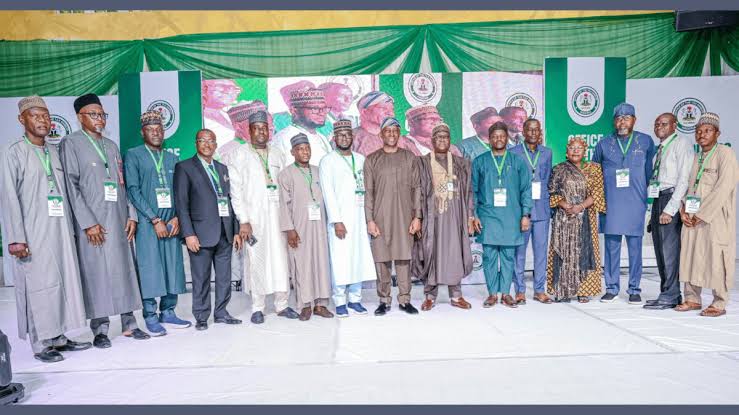
The agreement was reached at a two-day stakeholder engagement in Kaduna involving representatives of the seven North-West states, business owners, private-sector groups and professional bodies.
The discussions focused on fairness, transparency and accountability in tax administration, while providing a platform for taxpayers and revenue authorities to address complaints and improve cooperation.
The Tax Ombud and Chief Executive of the Office of the Tax Ombud, Dr John Nwabueze, explained that the institution was created as an independent, impartial and non-judicial body to handle operational, procedural and administrative complaints arising from tax and revenue administration.
He said the office provides its services free of charge and can mediate complaints, resolve disputes and promote a fair and consistent tax system.
Nwabueze, however, stressed that the Tax Ombud should not be viewed as a way for taxpayers to avoid their lawful obligations.
“The Tax Ombud is not a mechanism for cancelling legitimate tax liabilities merely because the taxpayer does not wish to pay.
“We do not make tax policy. We do not encourage non-compliance. We do not shield taxpayers from their lawful obligations, and we are certainly not the courts,” he said.
As part of the engagement, the Office of the Tax Ombud also held a roadshow across Kaduna to educate taxpayers and business owners about their rights and responsibilities and explain how the institution operates.
Nwabueze said the outreach gave taxpayers an opportunity to engage directly with officials and submit complaints, describing it as part of efforts to make the institution more accessible.
Kaduna State Governor Uba Sani said stronger taxpayer compliance was important for increasing government revenue to fund development projects and social services.
Represented by the Commissioner for Finance, Ibrahim Tanko Mohammed, the governor said Kaduna had improved its tax collection processes through technology and regular engagement with taxpayers.
He also called on the Tax Ombud to consider Kaduna as the North-West regional headquarters of the institution and pledged the state’s support for its establishment.
Sokoto State Governor Ahmad Aliyu Sokoto also described the Tax Ombud as timely, particularly as state governments seek to increase internally generated revenue to finance infrastructure and social services.
Represented by his Special Adviser on Revenue and Taxation, Isah Mu’azu, the governor said the institution could strengthen confidence in the tax system by promoting fairness and providing taxpayers with an accessible avenue for resolving disputes.
The Acting Chairman of the Kaduna Internal Revenue Service, Dr Muhammad Lawal, said the engagement would help build trust in the tax system and promote transparent processes for taxpayers.
Falalu Yahya, representing the Nigerian Revenue Service, described the Tax Ombud as an important regulatory initiative that could provide taxpayers with an alternative to lengthy and expensive litigation.
He also urged the Ombud to protect the interests of all parties involved, noting that tax authorities should equally be able to approach the office with complaints where mediation is necessary.
The North-West Zonal Chairman of the Manufacturers Association of Nigeria, Kabir Kassim, welcomed the partnership, saying it could contribute to creating a fairer business environment across the region.
AbdulAzeez Olagunju, Chairman of the ICAN Kaduna District, also stressed the importance of fairness in revenue administration and pledged the institute’s support.
The stakeholders agreed to maintain dialogue and collaboration aimed at building a tax administration system across the North-West that promotes fairness, transparency and accountability.
The development comes as Nigeria’s tax authorities continue efforts to improve voluntary compliance and strengthen public confidence in the country’s tax system. (newtelegraphng.com)
