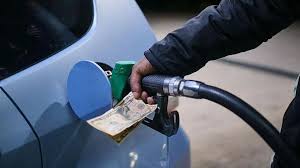
South Africa is facing what analysts describe as a looming national emergency, with warnings that failure to intervene before the April 1 fuel price surge could trigger dire social and economic consequences. Economists caution that without swift action, workers may soon be unable to afford transport to their workplaces—an outcome that could stall the economy, accelerate job losses and sharply reduce tax revenues needed to sustain public services.
Experts say the stakes are extraordinarily high. Ignoring the situation, they warn, risks igniting unrest similar to the Arab Spring uprisings witnessed in Tunisia and Egypt. South Africa’s own recent history offers a stark reminder: the July 2021 unrest in Gauteng and KwaZulu-Natal cost the country more than R50 billion, underscoring the catastrophic price of inaction during moments of social strain.
Uncertainty around the war in the Middle East has intensified concerns. With no clear end in sight, global oil prices are expected to remain elevated for months—even after hostilities cease and production stabilises. While South Africa has no influence over the conflict, economists insist that government does have the power, and responsibility, to shield citizens—especially workers and low-income households—from its fallout.
The most urgent intervention, according to policy experts, is an immediate suspension of taxes on petrol, diesel and paraffin. These reductions must be substantial to have a real impact, and should remain in place for the duration of the conflict and until global oil prices return to pre-war levels. Crucially, they warn, these measures must take effect before April 1, without delay.
Fuel tax relief, they argue, is the fastest and most cost-effective tool available to blunt the shock of impending fuel increases. Analysts also warn the Reserve Bank against raising interest rates in response to any inflation spike driven by fuel costs. Such an increase, they note, would punish consumers already drowning in debt and facing steep increases in the cost of living, despite the fact that the inflationary pressure is entirely external and not fueled by domestic demand.
Should the war persist, additional interventions will be required to protect vulnerable groups, fragile sectors and the broader economy. These include adjusting all social grants—including the SRD Grant—to match inflation, expanding food parcel distribution to indigent households, and scaling up employment interventions such as the Presidential Employment Stimulus, internship placements and artisanship programmes to absorb the jobless.
Experts are also calling for urgent engagements with Eskom and municipalities to stabilize or reduce electricity costs, along with targeted support for agriculture and Transnet to shield food supply chains from inflation. Restoring Metro Rail to full capacity and investing in wider public transport systems are seen as essential to protecting workers from escalating commuting costs.
Businesses, especially those in already fragile sectors, will need a stimulus package, easier access to affordable capital and a revived and functional Temporary Employment Relief Scheme under the Unemployment Insurance Fund.
The financial burden of these interventions will be significant, but economists note that the government has room to manoeuvre. The national budget includes a R32 billion contingency fund for disaster relief—funds that analysts say are appropriate given that the looming fuel price shock constitutes a national disaster threatening the entire population.
Beyond this, experts recommend reprioritising non-essential government spending and strengthening the South African Revenue Service to improve tax compliance and secure the revenue needed to steer the country through what they describe as an existential crisis.
They also insist that the private sector play its part by offering loan and insurance payment holidays and halting retrenchments as part of a coordinated national relief effort.
Looking beyond the immediate emergency, analysts argue that South Africa must accelerate long-term measures to shield itself from volatile global oil markets. These include finalising the long-delayed review of fuel taxes, ensuring universal access to affordable and safe public transport, expanding and modernising passenger rail, promoting the transition to electric vehicles and pushing ahead with exploration of potential oil and gas reserves along the Northern and Western Cape coastline.
As April 1 approaches, observers say the country is at a crossroads. One path leads to economic stagnation and deepened poverty if government chooses to do nothing. The other requires rapid, bold action to provide meaningful fuel price relief and protect millions of citizens from falling into destitution.
For many analysts, the moment demands decisive leadership of the kind displayed during the COVID-19 pandemic—leadership they say is urgently needed again as South Africa confronts one of its most precarious economic challenges in years.
