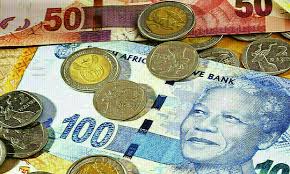
South Africa’s financial markets rebounded sharply as investors returned to risk assets following a ceasefire in the Middle East, which eased fears of global energy disruptions, according to African Economy.
The rand surged as much as 2.6 percent against the dollar—its strongest intraday gain since late 2023—after ranking among the worst-performing emerging-market currencies during the conflict.
Government bonds also rallied, with the benchmark 10-year yield falling 47 basis points, its steepest drop since 2020. Equities followed suit, as the Johannesburg Stock Exchange All Share Index jumped more than 5 percent, led by gains in mining, banking and retail stocks.
The rebound comes days after a sharp selloff. BusinessDay reported last week that Africa’s largest bourse suffered its worst monthly decline in nearly three decades in March 2026, wiping out more than R3 trillion ($160 billion) in market value as escalating Middle East tensions battered investor sentiment.
The latest rally underscores how quickly capital can flow back into emerging markets when global risk sentiment improves—particularly in high-yield environments such as South Africa.
The turnaround also reflects a broader global relief rally, driven by expectations that the reopening of the Strait of Hormuz will stabilise oil supply and ease inflationary pressures.
Investor sentiment had deteriorated rapidly at the height of the conflict, with foreign investors dumping a net R56 billion ($3.4 billion), of South African government bonds in March. The rebound signals renewed appetite for emerging-market assets after weeks of risk aversion.
Interest rate expectations have also shifted, with traders scaling back bets on further tightening by the South African Reserve Bank as easing oil prices reduce inflation risks.
Global oil prices fell on Wednesday after a ceasefire between the United States and Iran eased immediate supply fears. Brent crude and US West Texas Intermediate dropped between 14 and 17 percent to trade in the low-to-mid $90 range, as markets unwound the geopolitical risk premium built up during weeks of escalation.
Before the ceasefire, the conflict had pushed oil prices above $100 per barrel, exacerbated by disruptions to tanker traffic through the Strait of Hormuz, a critical route for roughly a fifth of global oil supply.
For many African economies reliant on imported fuel, the surge in oil prices had already filtered through to higher transport and food costs, threatening to reverse recent disinflation trends and weaken consumer purchasing power.
Despite the strong rebound, analysts caution that the sustainability of the rally will depend on whether the ceasefire holds and energy supply routes remain stable. South Africa’s relatively high yields and limited direct exposure to the conflict continue to underpin its appeal to global investors.
