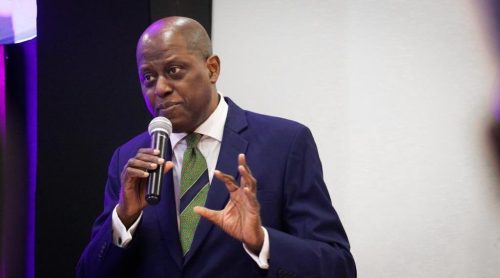
Governor of the Central Bank of Nigeria, Olayemi Cardoso, has cautioned that climate change has evolved into a direct financial risk with far-reaching consequences for African economies, warning that its impact now extends beyond environmental concerns to core macroeconomic stability indicators.
Cardoso delivered the warning in Cairo at the Egypt 30by30 Programme hosted by the Central Bank of Egypt in collaboration with the International Finance Corporation, where policymakers and financial leaders gathered to deliberate on climate resilience and sustainable growth strategies.
According to the apex bank chief, climate-related shocks are already influencing sovereign credit ratings, cost of capital, inflation patterns, agricultural output, insurance markets and fiscal sustainability, stressing that such risks must now be treated as systemic financial threats rather than peripheral environmental issues.
He maintained that although the continent contributes the least to global emissions, it bears a disproportionate burden of climate-related losses, a reality he said underscores the urgency for coordinated action by central banks and development finance institutions.
Cardoso noted that Africa must simultaneously pursue industrialisation, job creation and poverty reduction while transitioning toward low-carbon growth and building resilience against climate disruptions. He described the 30by30 initiative as a reflection of a shared continental resolve to promote an economic future that is both sustainable and climate-conscious.
The CBN governor further emphasised that credibility remains the foundation of resilience, pointing out that ongoing disciplined and transparent reforms in Nigeria are strengthening macroeconomic fundamentals and helping restore confidence in the financial system.
