High-stakes trade negotiations convened by the World Trade Organization (WTO) in Yaoundé collapsed in the early hours of Monday, after deep-seated divisions among member states derailed attempts to reach consensus on reforms, agriculture, and the future of digital trade.
One of the most consequential setbacks was the failure to renew the long-standing moratorium on customs duties for e-commerce — a 1998 agreement under which countries refrained from imposing tariffs on cross-border digital transmissions. The lapse marks a significant blow to developed economies, particularly the United States, which had lobbied for the moratorium to become permanent.
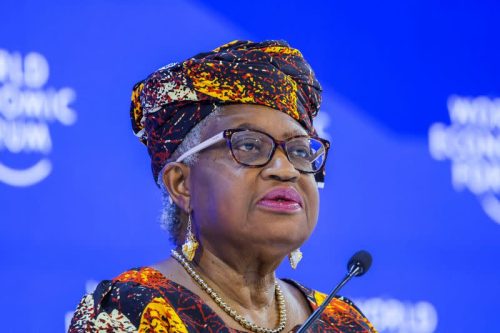
“We worked hard,” WTO Director-General Dr. Ngozi Okonjo-Iweala said after the talks ended without agreement, her brief remarks reflecting the frustration of a negotiation round that had stretched well past its deadline.
The four-day meeting in Cameroon’s capital had originally been expected to wrap up on Sunday. But delegates pushed discussions into the early hours of Monday as they scrambled to salvage what diplomats earlier described as a “minimal but workable” reform package. Overnight talks had produced a draft declaration, raising hopes that members might reach at least a symbolic agreement to guide future negotiations.
That fragile momentum crumbled when Brazil withheld support for renewing the e-commerce moratorium, citing dissatisfaction with the lack of progress on agricultural reform — a long-running fault line within the organisation. Agriculture has remained one of the WTO’s most politically explosive issues, and the 166-member body has failed for years to advance a negotiation framework that satisfies both developed and developing economies.
Ahead of the Yaoundé meeting, expectations were already intentionally modest, with many anticipating only a joint statement. Instead, even that limited ambition proved unreachable.
The negotiations unfolded against the backdrop of a volatile global economy and rising geopolitical tensions, conditions that have further weakened the WTO’s ability to restore its credibility and negotiating authority.
At the core of the deadlock was the future of digital trade. Although Washington had lowered its expectations and supported a five-year renewal of the moratorium, several developing countries — led by India — rejected a long-term extension, arguing that permanent or lengthy renewals would deprive governments of important tariff revenues.
Brazil insisted on nothing more than a two-year extension, a position that ultimately prevented the consensus required under WTO rules.
Despite the moratorium’s expiration, the development does not automatically trigger new taxes on digital products. Member states retain the discretion to continue refraining from imposing duties on e-books, music, telemedicine services and other cross-border digital goods.
However, trade analysts warn that the collapse of the talks highlights the broader paralysis facing the WTO. With consensus-based decision-making increasingly strained by competing national interests and shifting geopolitical alliances, the organisation’s role at the centre of global trade governance is facing unprecedented pressure.
The Yaoundé impasse, many observers say, is yet another signal that restoring the WTO’s negotiating function will require far more political will — and far greater compromise — than member states have so far been willing to muster.
