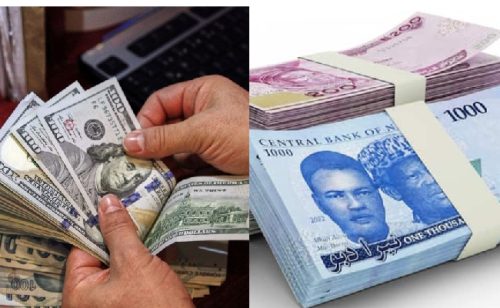
Nigeria’s foreign exchange market has recorded a renewed divergence between the official exchange rate and the parallel market, marking the first significant widening of the gap in about three years.
The difference between the rates has climbed to over ₦90 to the dollar, the widest spread since the naira was floated in 2023. While the official market has remained relatively stable, pressure in the parallel market has driven the informal rate higher, reflecting underlying strains in the economy.
Market analysts attribute the widening gap largely to increased demand for physical United States dollars outside the formal banking system. With political activities expected to intensify ahead of the 2027 general elections, businesses, politicians and individuals are reportedly accumulating cash dollars, pushing up demand in the parallel market.
The official rate, which reflects transactions conducted through regulated channels such as banks and licensed forex platforms, has been supported by improved dollar supply. In contrast, the parallel market rate mirrors conditions where access to foreign currency through formal means is limited, often serving as a barometer of unmet demand.
Economists note that the divergence also reflects broader structural pressures. Rising non-oil imports, foreign education and travel expenses, and growing demand for financial assets have continued to weigh on the foreign exchange market. Previous analyses, including by PwC, had warned that these factors could widen the premium between official and informal rates if not adequately balanced by inflows.
Since 2023, the Central Bank of Nigeria (CBN) has introduced a series of reforms aimed at restoring confidence in the FX market. These include the unification of exchange rate windows, removal of price controls and the adoption of more transparent trading systems. At various points in 2024 and 2025, these measures helped narrow the gap and attract foreign portfolio inflows, boosting liquidity.
However, the recent surge in demand for cash dollars appears to have offset some of those gains, highlighting the continued influence of market sentiment and real-sector demand on exchange rate dynamics, despite policy improvements.
For households and businesses, a wider gap between official and parallel rates often translates into higher prices for imported goods, increased costs for overseas travel and education, and rising input costs for firms dependent on foreign currency. It may also introduce greater volatility into remittance flows.
Authorities are expected to keep a close watch on developments in the coming weeks. A sustained widening of the spread could prompt further measures to improve forex supply or curb speculative activities in the informal market.
The renewed divergence underscores that Nigeria’s foreign exchange challenges remain unresolved, even as reforms continue. Earlier this month, the naira weakened at the Nigerian Foreign Exchange Market, snapping a three-day rally as dollar demand outpaced supply. The currency fell by 0.57 per cent to close at ₦1,366.06 to the dollar, after trading within an intraday range of ₦1,361.80 to ₦1,370.00.
