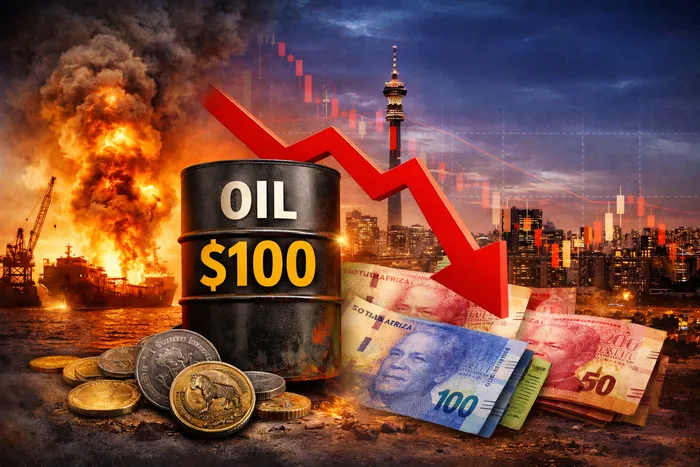
Africa’s recent progress in bringing down inflation is facing renewed pressure as global oil prices climb, raising concerns that higher energy and transport costs could reverse some of the gains made across the continent.
More than half of the African economies being tracked recorded lower inflation recently, extending a broader disinflation trend. However, the increase in oil prices is creating a fresh challenge for countries that depend heavily on imported fuel.
Higher crude prices can increase the cost of importing petroleum products, while also putting pressure on local currencies and household purchasing power. These effects can spread through the economy as transport and production costs rise, eventually pushing up the prices of food and other goods.
Oil importers face greater pressure
Oil-importing economies are particularly exposed to the latest price increases because they have to spend more foreign exchange on fuel imports.
The pressure can be even stronger where currencies are already weak. A weaker local currency makes imported fuel more expensive, adding to inflation and putting further pressure on consumers.
Africa’s exposure to the global oil market has also been highlighted by the current disruption around the Middle East and the Strait of Hormuz, a major route for global energy shipments.
Global crude prices have moved above $100 per barrel amid supply concerns linked to the conflict, increasing the risk of higher fuel and food prices across the continent.
Central banks face a tougher choice
The renewed oil shock could complicate monetary policy across African economies.
Central banks that had begun considering or implementing interest-rate cuts to support economic activity may now have to remain cautious if higher energy prices begin feeding into consumer inflation.
The World Bank has also warned that Africa’s inflation outlook could worsen as a result of the Middle East conflict. It projects inflation in the region at 4.8 percent in 2026, before easing to around 3.8 percent over 2027–28.
The impact, however, will differ from one country to another depending on fuel-import dependence, currency conditions, foreign-exchange reserves and exposure to disruptions in global trade.
Higher costs could affect growth
Beyond inflation, prolonged high oil prices could weaken economic growth by increasing production and transportation costs and reducing consumers’ purchasing power.
A joint assessment by the African Union and African Development Bank said a prolonged conflict could reduce Africa’s economic growth by at least 0.2 percentage points this year. Before the crisis, growth was projected at 4.0 percent in 2026 and 4.1 percent in 2027.
For African policymakers, the challenge is therefore twofold: protecting recent progress on inflation while limiting the effect of higher energy costs on households and businesses.
Read also on Radarr: Oil Marketers Seek Cheaper Petrol Imports Amid Rising Prices from Dangote Refinery | Nigeria’s Inflation Falls to 14.63% as Food Prices Decline, Core Pressures Persist
