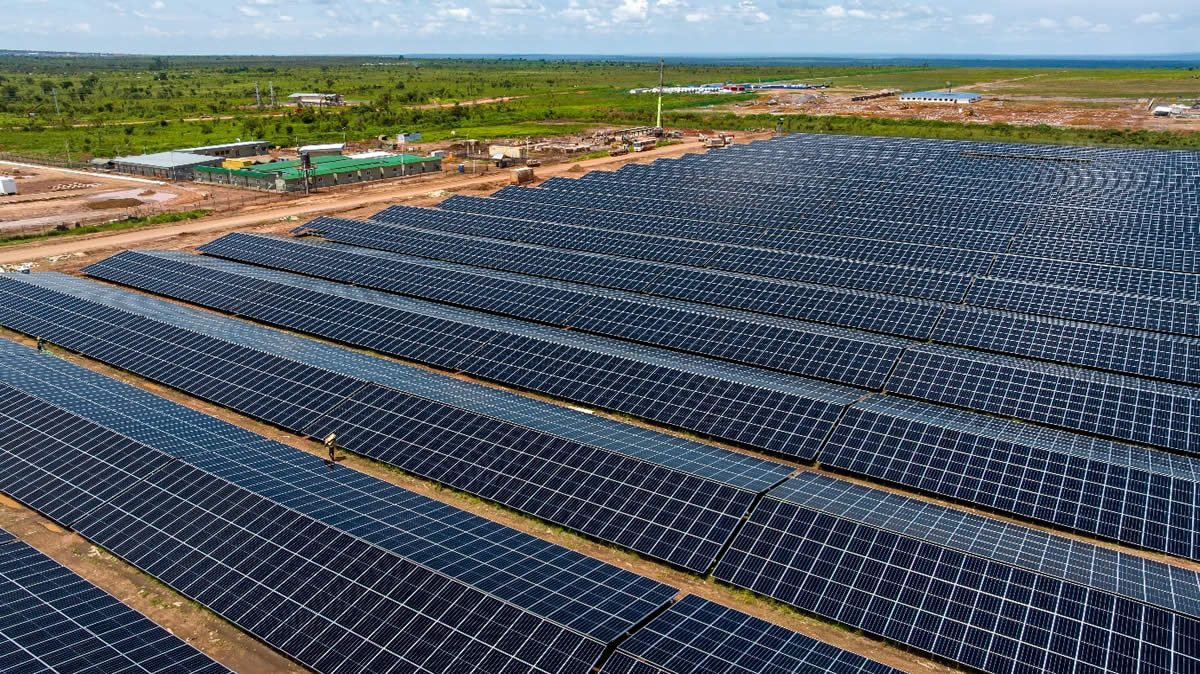
Nigeria is turning to distributed renewable energy as it seeks to tackle one of its biggest infrastructure challenges: providing reliable electricity to millions of people who remain underserved by the national grid.
The country has about 85 million people without reliable access to electricity, according to World Bank estimates, giving Nigeria one of the largest electricity access gaps globally.
Against this backdrop, a new $300 million financing platform is being positioned as a major tool for expanding access to electricity in communities and businesses that traditional grid infrastructure has struggled to reach.
New fund targets underserved communities
The Nigeria Distributed Renewable Energy (DRE) Fund was launched by the Nigeria Sovereign Investment Authority (NSIA), Africa50 and Sustainable Energy for All (SEforALL).
The fund has moved from the structuring stage to commercial deployment, creating a dedicated platform for investing in distributed renewable energy projects across Nigeria.
Its investments will focus on solutions such as mini-grids and standalone solar systems, which can provide electricity to communities where extending conventional grid infrastructure is expensive or difficult.
The initiative is also linked to Mission 300, the continental effort backed by the World Bank and African Development Bank to connect 300 million people across Africa to electricity by 2030.
Why distributed power matters
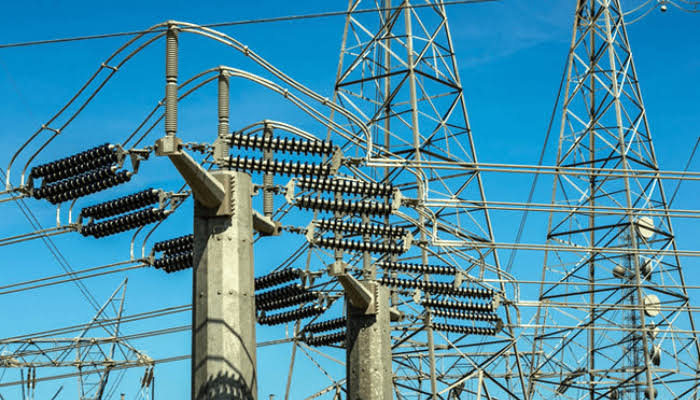
Nigeria’s electricity challenge extends beyond the amount of power generated. Transmission and distribution limitations have continued to affect how much electricity reaches households and businesses.
Distributed renewable energy offers an alternative by allowing power to be generated closer to where it is needed.
Mini-grids can serve entire communities, while standalone solar systems can provide electricity to households and businesses without requiring a connection to the national grid.
For small businesses in particular, more reliable electricity could reduce dependence on petrol and diesel generators, which add substantially to operating costs.
Fund seeks to attract private investment
The DRE Fund is also designed to demonstrate that Nigeria’s distributed renewable energy market can attract investment at scale.
Aminu Umar-Sadiq, managing director and chief executive officer of NSIA, said, “this is a major development milestone. It is a strategic signal to markets, investors, governments and development partners that Nigeria’s distributed renewable energy market is investable, credible and ready to operate at scale.”
The fund brings together NSIA’s knowledge of the Nigerian market with Africa50’s infrastructure investment capabilities and SEforALL’s focus on expanding energy access.
The World Bank is also a founding partner and has committed an initial $25 million from its International Development Association (IDA).
Closing the gap will require more than $300 million
While the fund provides a new source of capital, Nigeria’s electricity access challenge is significantly larger than any single financing initiative.
The country needs continued investment in generation, transmission and distribution infrastructure, alongside decentralised energy solutions.
The effectiveness of the DRE Fund will therefore depend on how quickly capital is converted into functioning projects and new electricity connections.
The ability to attract additional private investment will also be important if the initiative is to expand beyond its initial funding.
A potential model for Africa
The partners behind the fund see Nigeria as a possible example for other African countries facing similar electricity access challenges.
Across the continent, hundreds of millions of people still lack access to electricity, while many of those who are connected continue to face unreliable supply.
Distributed renewable energy could help address these challenges by reducing dependence on large-scale grid expansion alone.
For Nigeria, the $300 million fund represents another attempt to bring institutional capital into the renewable energy sector while expanding electricity access to communities and businesses that remain underserved.
The bigger test will be whether the financing can translate into enough new connections and reliable power to make a measurable difference to Nigeria’s electricity access gap.
Read also on Radarr: NSIA, Africa50 Launch $300m Renewable Energy Fund for Nigeria | BAT Nigeria Receives Recognition for $300m Export
