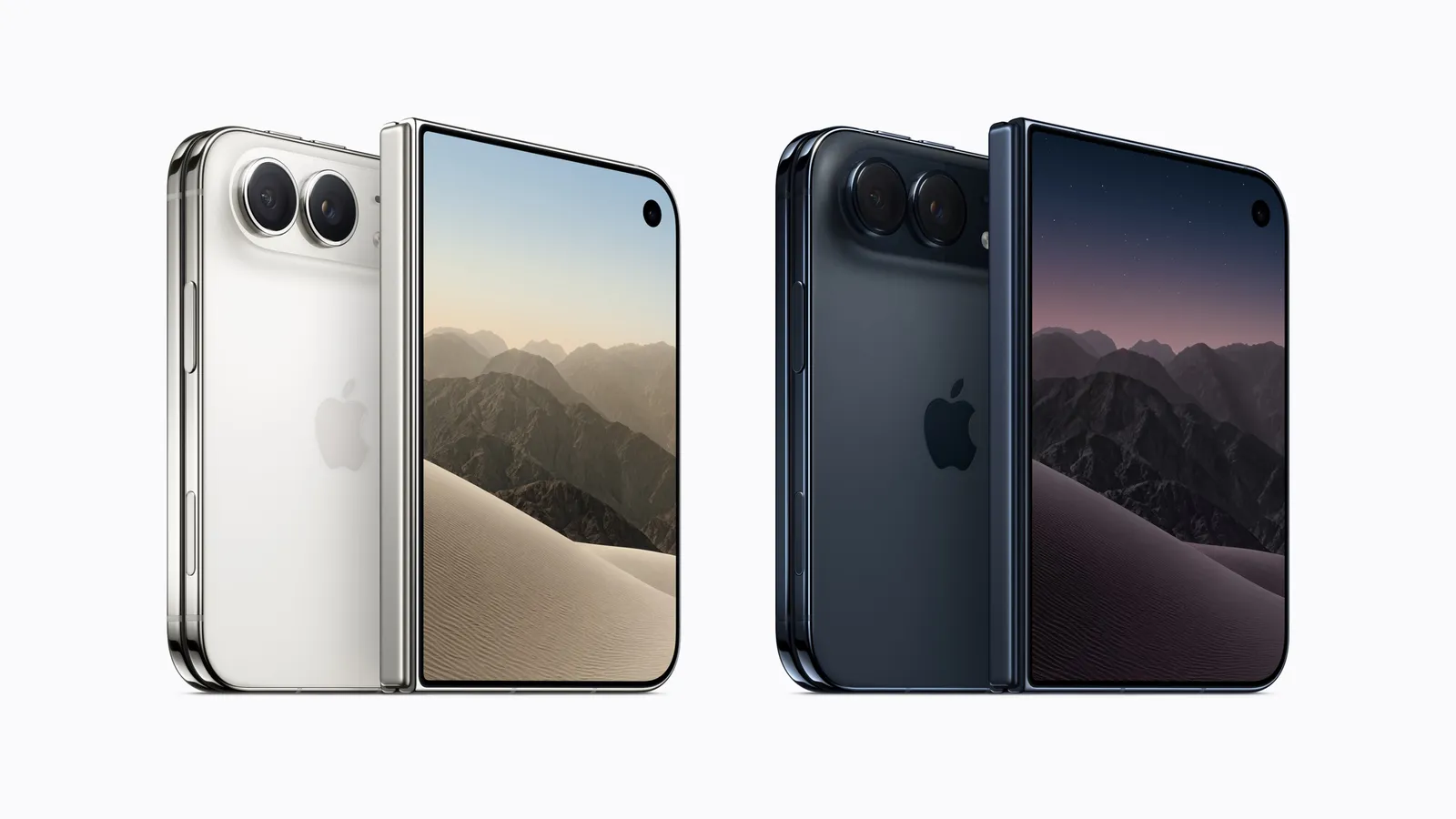
Apple’s entry into the foldable smartphone market marks a significant development in the company’s smartphone lineup. With the introduction of the iPhone Duo, Apple has moved beyond its traditional smartphone design to offer a device that combines the functionality of a conventional phone with the larger display experience of a tablet.
Announced on September 9, 2026, and released on October 23, 2026, the iPhone Duo introduces a book-style folding design that allows users to switch between a compact outer display and a larger inner screen. The device targets consumers who want a more flexible smartphone experience, particularly professionals, content creators, business travellers and people who regularly consume digital content.
However, beyond its new design and premium positioning, does the iPhone Duo offer enough practical value to justify its price?
1. Product Introduction
The iPhone Duo is Apple’s first foldable smartphone, developed to provide a more versatile mobile experience while maintaining the familiar features of the iPhone ecosystem.
Its book-style design allows users to operate the device like a conventional smartphone when folded and access a larger display when opened. This creates additional possibilities for multitasking, entertainment, photography and productivity.
The device runs on Apple’s iOS 27 operating system and is powered by the A20 Pro processor. It is available in Night Sky and Star White, with storage configurations of 256GB, 512GB, 1TB and 2TB.
2. Features and Specifications
The iPhone Duo combines a foldable display, upgraded processing technology, a dual-camera system and a redesigned battery architecture. Its major features include:
1. Display
The iPhone Duo features two Super Retina XDR displays. Its outer display measures 5.4 inches, providing the conventional smartphone experience, while its inner display measures 7.6 inches when unfolded.
Both displays support ProMotion technology, which provides adaptive refresh rates of up to 120Hz. This allows for smoother scrolling, animations and supported gaming experiences.
The inner display also features a nano-texture finish designed to reduce glare and reflections. This can improve visibility when reading, watching videos or working in brightly lit environments.
2. Processor and Performance
The device is powered by Apple’s A20 Pro chip, which is designed to handle demanding applications, multitasking, gaming and artificial intelligence features.
According to Apple, the processor offers up to 20 per cent faster CPU performance compared with the previous generation’s A19 Pro chip. It also features a Dual 16-core Neural Engine designed to support demanding on-device AI workloads.
The processor is supported by a vapor chamber cooling system that helps manage heat during intensive activities. This is particularly relevant for a foldable smartphone, where extended gaming, video editing and multitasking can place additional demands on the hardware.
3. RAM and Storage
Independent specifications published by Tom’s Guide list the iPhone Duo with 12GB of RAM. This amount of memory can support multitasking by allowing the device to manage several applications and background processes more effectively.
However, Apple does not officially disclose the device’s RAM capacity, so the 12GB figure should be treated as an independently reported specification rather than an Apple-confirmed figure.
For storage, the device offers four options: 256GB, 512GB, 1TB and 2TB. These configurations provide different capacities for storing applications, photographs, videos, documents and other files.
4. Battery and Charging
Apple introduces a dual-battery architecture in the iPhone Duo, with batteries distributed across the device’s folding design. The arrangement is intended to maximise available internal space while supporting the power demands of its two displays.
Apple rates the device for up to 31 hours of video playback when using the inner display and up to 44 hours when using the outer display. It also supports fast wired charging, with Apple stating that the device can reach approximately 50 per cent charge in around 20 minutes using compatible charging equipment.
The C2 modem and A20 Pro processor also contribute to the device’s power-efficiency design.
These figures are Apple’s stated laboratory-based playback estimates rather than guaranteed everyday battery performance. Actual battery life will depend on screen usage, brightness, connectivity and the applications being used.
5. Camera System
The iPhone Duo features a 48MP Dual Fusion camera system consisting of a 48MP Fusion Main camera and a 48MP Fusion Ultra Wide camera.
The main camera is designed for everyday photography, portraits and low-light images, while the ultra-wide camera allows users to capture wider scenes, landscapes and group photographs. The system also supports macro photography and optical-quality zoom options of up to 2x.
For selfies and video calls, the device features a 12MP Center Stage front camera, alongside an under-display FaceTime camera for video calls when the phone is unfolded.
Apple has also introduced Duo Preview, which allows subjects to see a live camera preview on the outer display while someone takes a photograph using the rear cameras. This provides additional flexibility for selfies and group photographs.
However, the camera system does not include a dedicated telephoto lens. This means users who prioritise advanced zoom photography may find it less versatile than Apple’s Pro models, which offer additional camera capabilities.
6. Design and Durability
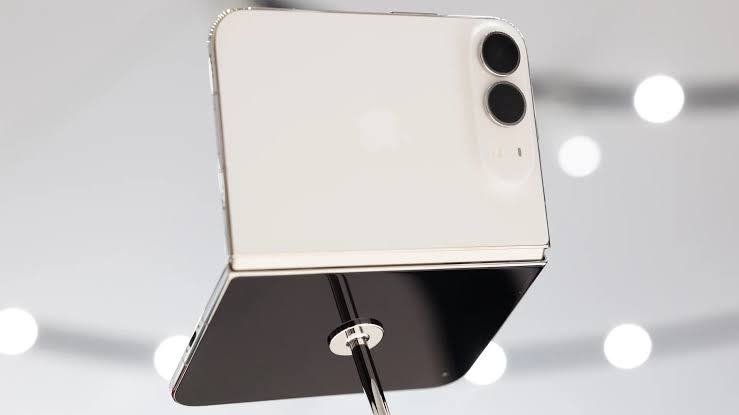
The iPhone Duo features a Grade 5 titanium frame and titanium hinge cover, designed to provide structural support while maintaining its folding functionality.
Its exterior is protected by Ceramic Shield 2 on the front and Ceramic Shield on the back, while the inner display features additional protective technology.
The device also carries an IP68 rating for water and dust resistance under specified laboratory conditions.
Apple’s hinge design is another important part of the device’s construction, allowing the phone to fold and unfold while maintaining its display alignment. The inner display also features nano-texture technology designed to minimise visible reflections and the appearance of the folding crease.
7. Software and Authentication
The iPhone Duo runs on iOS 27, which introduces software experiences designed to take advantage of its foldable design.
One of its key capabilities is Split View, which allows users to run supported applications side by side on the larger inner display. The device also supports flexible viewing positions, making it possible to use certain applications hands-free.
For authentication, Apple uses Touch ID integrated into the side button rather than the traditional Face ID system found on many recent iPhone models.
The device also supports Apple Intelligence features and Siri AI, providing access to Apple’s artificial intelligence capabilities.
3. Performance and User Experience
Since this review is based on published specifications and independent hands-on assessments rather than personal testing, the performance evaluation draws on findings from technology publications that have examined the device.
1. Everyday Performance
Tom’s Guide described the iPhone Duo’s overall experience as polished, highlighting its ability to transition between conventional smartphone use and a larger tablet-like display.
Its A20 Pro processor and cooling system are designed to support demanding applications, gaming and multitasking.
2. Multitasking Experience
The larger inner display provides more room for users to work with multiple applications. Supported applications can run side by side, allowing users to browse the internet while taking notes or view documents while communicating through messaging applications.
However, not every third-party application has been fully optimised for the foldable screen, which can affect the experience.
3. Battery Performance
In its independent battery test, Tom’s Guide recorded 13 hours and 20 minutes of usage under its particular web-browsing test conditions.
This provides a useful indication of battery performance, although actual results will vary depending on how the device is used.
4. Display and Build Experience
Independent reviewers have highlighted the device’s hinge construction and relatively smooth inner display as notable strengths.
However, the phone’s weight and the visible folding crease have also been mentioned as considerations for people who prefer lighter, conventional smartphones.
4. Benefits and Value Proposition
The iPhone Duo offers several advantages through its foldable design, display technology and integration with Apple’s software ecosystem.
1. Ability to Combine Two Device Experiences in One
One of the iPhone Duo’s biggest advantages is its ability to function as both a conventional smartphone and a larger-screen device. Users can operate it like a regular phone when folded and unfold it when they need additional screen space. This provides flexibility without requiring users to carry separate devices for different activities.
2. Large Screen for Productivity and Entertainment
The 7.6-inch inner display provides more viewing space for reading, watching videos, gaming and working with documents. Its larger screen can also make multitasking more convenient, particularly for professionals and users who regularly work with multiple applications.
3. Dual-Screen Design for Photography
The iPhone Duo’s dual-screen arrangement introduces additional flexibility when taking pictures. Through its Duo Preview feature, users can display a live camera preview on the outer screen, allowing subjects to see how they appear before a photograph is taken. It also allows users to use the rear camera system for selfies and group photographs.
4. Access to Apple’s Software Ecosystem
The device gives users access to Apple’s software ecosystem, including iOS applications, Apple Intelligence features and compatible Apple services. This can be particularly useful for existing Apple users who want to maintain integration with their other Apple devices and services.
5. Build Quality and Design Assessment
The iPhone Duo’s construction is an important part of its appeal, particularly because foldable smartphones require a design that can accommodate repeated opening and closing.
Its titanium frame and hinge cover provide structural support, while Ceramic Shield protection helps protect the exterior surfaces. The IP68 rating also provides a level of resistance against dust and water exposure.
However, foldable displays require careful handling, and long-term durability remains an important consideration for buyers. Although Apple has introduced additional protective technology, users should still follow the manufacturer’s handling and care recommendations.
6. Customer Feedback and Expert Reviews
Independent technology reviews provide additional insight into the iPhone Duo’s strengths and limitations.
1. Tom’s Guide
Tom’s Guide praised the device’s hinge design, display and overall foldable experience. Its reviewer highlighted the transition between smartphone and tablet-like use as one of the device’s strongest features.
However, the publication also identified concerns surrounding its weight and application optimisation.
2. WIRED
WIRED gave the device a 7/10 rating, recognising its premium hardware and foldable design while highlighting areas where the software experience could improve.
3. 91mobiles
91mobiles awarded the iPhone Duo an expert rating of 7.7/10. Its review identified the premium construction, smooth performance and battery life as strengths, while pointing to the learning curve associated with the interface, third-party application optimisation and premium pricing as limitations.
These assessments suggest that while the iPhone Duo delivers an interesting foldable experience, there are still areas where the device could improve.
7. Pricing and Availability in Nigeria
The iPhone Duo occupies the premium segment of the smartphone market, and its Nigerian retail pricing reflects that positioning.
A review of available Nigerian retailer listings shows the following prices:
- iStore Nigeria: The 256GB model is listed at ₦4,599,000, while the 512GB, 1TB and 2TB versions are listed at ₦5,049,000, ₦5,949,000 and ₦7,199,000 respectively.
- iConnect Nigeria: Its listed price range for the iPhone Duo is approximately ₦4,800,000 to ₦7,600,000, depending on the storage configuration.
These are prices displayed on retailer websites and should not be treated as confirmed physical-store quotations. Actual prices and availability may vary. Prospective buyers should contact the retailers to confirm stock, warranty coverage and final purchase prices before making a decision.
8. Limitations and Areas for Improvement
Despite its advanced design and features, the iPhone Duo has some limitations that potential buyers should consider.
1. Premium Pricing
Its starting price places it beyond the budget of many smartphone buyers. While the foldable design introduces additional functionality, the cost may be difficult to justify for people who do not regularly need a larger display.
2. Weight and Handling
The device’s construction and folding mechanism contribute to its weight. This may affect comfort during extended one-handed use, particularly for people accustomed to lighter smartphones.
3. Third-Party Application Optimisation
Not all applications are fully adapted to the larger inner display. Some may not use the available screen space effectively, limiting the benefits of the foldable design.
4. Camera Limitations
Although the 48MP dual-camera system provides useful photography features, the absence of a dedicated telephoto lens means the device does not offer the same camera versatility as some of Apple’s Pro models.
5. Long-Term Foldable Display Durability
As a foldable smartphone, the iPhone Duo introduces additional considerations surrounding hinge performance and display durability over extended periods of use. More long-term ownership evidence will help establish how well the device holds up with everyday folding and unfolding.
9. Overall Assessment and Recommendation
The Apple iPhone Duo represents an important development in Apple’s smartphone lineup. Its foldable design, large inner display, A20 Pro processor and dual-camera system introduce a different experience from the company’s conventional iPhone models.
Its strongest appeal lies in the flexibility it offers. Professionals, frequent travellers, content consumers and users who value multitasking may find the combination of a smartphone and larger display particularly useful.
However, its premium price, weight, application compatibility concerns and camera limitations mean it may not be the right choice for everyone. Buyers who primarily need a conventional smartphone may find better value in Apple’s traditional iPhone models.
Overall, the iPhone Duo introduces an interesting direction for Apple’s smartphone lineup. While its features make it a compelling option in the premium foldable category, its long-term value will depend on how effectively its hardware and software deliver a practical everyday experience.
