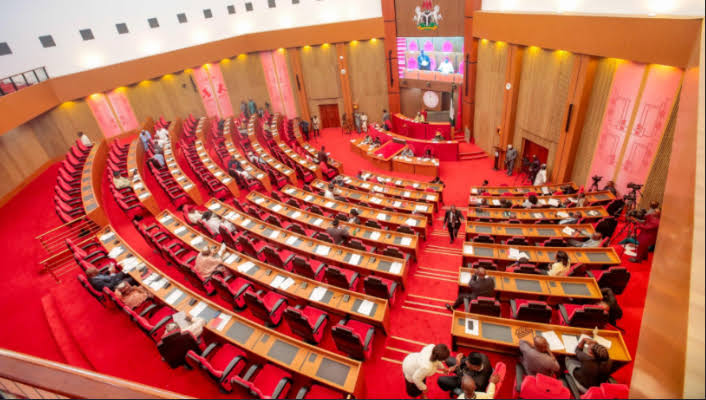
Nigeria’s National Assembly has extended the implementation period for the capital component of the 2025 budget from September 30 to December 31, 2026, giving ministries, departments and agencies (MDAs) an additional three months to complete eligible projects.
The extension, approved by both chambers on Tuesday, marks the fourth time lawmakers have moved the deadline for implementing the capital component of the 2025 Appropriation Act.
The 2025 budget was originally scheduled to expire on December 31, 2025. Its capital component was subsequently extended to March 31, June 30 and September 30, 2026, before the latest extension pushed the deadline to the end of December.
The extension is intended to allow the government to continue funding and implementing capital projects for which funds have already been appropriated and, in some cases, released.
House Majority Leader Julius Ihonvbere said economic pressures and other factors had made it difficult to complete the capital component within the previous timeframe.
“Due to several factors and forces impinging on the Nigerian economy, it has been very difficult to conclude the implementation of the capital aspects of this particular bill, and the dates previously determined for the implementation would expire on the 30th of September,” Ihonvbere said.
He said the additional period would help prevent projects from being affected simply because the existing implementation deadline had expired.
“And as a responsible parliament to ensure that non-implementation will not be blamed on the expiration of our own determination, we have decided to move and let it be moved that this be extended to the 31st of December, 2026,” he said.
Senate Leader Opeyemi Bamidele said the extension would give MDAs the legal and administrative window needed to complete projects already captured in the 2025 budget.
“The objective before us is straightforward: to protect ongoing public investments, facilitate the completion of critical projects, prevent avoidable waste of public resources and maximise the value derivable from funds already appropriated and released,” Bamidele said.
He also pointed to procurement, contract execution, mobilisation, certification of work and payment processes as factors that can slow project implementation.
Senate President Godswill Akpabio said allowing the deadline to expire could increase the risk of unfinished projects and leave contractors without payments for work already carried out.
“It is not good for us to have abandoned projects littered across the nation since most contractors have not either completed their jobs or have been fully paid in respect of the 2025 Appropriations Act,” he said.
Akpabio added, “I hope that this extended period will be utilised to ensure that all payments are made and all necessary contracts are done for the benefit of the Nigerian people.”
The latest extension means that the capital component of the 2025 budget will remain active throughout 2026, even as the government implements the separate 2026 Appropriation Act.
The repeated extensions have also renewed discussion about Nigeria’s budget implementation cycle and the challenges involved in completing capital projects within a single fiscal year.
The Federal Government has previously rolled over a significant portion of the 2025 capital budget into 2026, with the policy focused on completing ongoing projects rather than starting new ones.
The 2026 budget includes about ₦32.27 trillion for capital expenditure, meaning government agencies must manage new projects alongside outstanding obligations from previous budget cycles.
With the new deadline, MDAs have until December 31, 2026, to continue implementing eligible projects and settle related commitments under the 2025 capital budget.
Read also on Radarr: Nigeria’s National Assembly Returns After 68-Day Break, Then Adjourns Again | Alawuba Calls for Stronger Nigeria-Brazil Trade and Investment Ties
