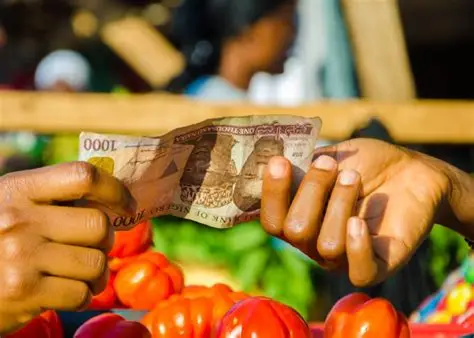
Nigeria’s food crisis requires a coordinated response that addresses rising prices, insecurity, weak agricultural production and the growing cost of transporting food across the country.
Although food inflation eased in August 2026 after five consecutive months of increases, millions of households continue to struggle with the cost of basic food items. The Food and Agriculture Organization (FAO) reported that food inflation had risen to 20.3 per cent in July, highlighting the continuing pressure on household purchasing power.
The challenge extends beyond the price of food. Insecurity has forced farmers to abandon farmland in parts of the country, while high fertiliser, fuel and transportation costs have increased production expenses and disrupted supply chains.
Food prices continue to strain households
Rising food prices have forced many Nigerian families to reduce portion sizes, skip meals and switch to cheaper alternatives.
Food accounts for a substantial share of household spending, making low-income families particularly vulnerable to price increases. When food becomes more expensive, households have less money available for healthcare, education, transportation and other essential needs.
Insecurity in farming communities, particularly in parts of the North-East, North-Central and North-West, has further weakened food production. Farmers who cannot safely access their land may reduce cultivation or abandon farming altogether, limiting the supply of staple crops.
The FAO has also warned that higher agricultural input costs and weather-related risks could affect harvests in some areas during the 2026 farming season.
Government faces choices over food assistance
As food affordability deteriorates, policymakers face a choice between subsidising food prices, providing vouchers or cash transfers to vulnerable households, and distributing food from strategic reserves.
Broad food subsidies can offer immediate relief, but they may become expensive and benefit households that do not need assistance. If poorly designed, they can also distort market prices and divert public funds from investments needed to increase agricultural production.
Targeted food vouchers and cash transfers offer an alternative by directing support towards households most affected by rising prices. However, their effectiveness depends on reliable beneficiary records, accessible payment systems and strong monitoring to prevent misuse.
Releasing food from strategic reserves can also help address temporary shortages and sudden price increases, provided stocks are sufficient and distribution reaches areas where the need is greatest.
The appropriate intervention depends on the nature of the problem: whether food supplies are insufficient, prices are unaffordable, markets are not functioning properly or vulnerable households cannot access available assistance.
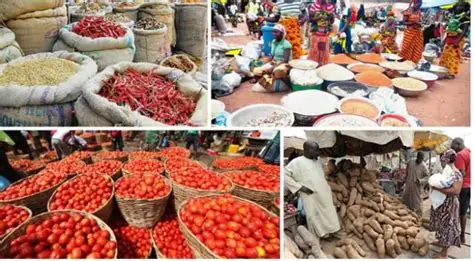
Insecurity and transport costs undermine food supply
Nigeria’s food security challenge cannot be resolved through consumer assistance alone. Increasing the amount of food produced and ensuring it reaches markets at affordable prices are equally important.
Poor rural roads, high transport costs, inadequate storage and delays in moving produce from farms to urban markets contribute to losses and higher retail prices.
Insecurity also discourages investment in farming and disrupts agricultural activities. Addressing these problems requires better protection for farming communities, improved rural infrastructure and stronger links between producers, processors and distributors.
Investment in irrigation, improved seeds, agricultural research, storage facilities and climate-resilient farming could help farmers produce more consistently throughout the year.
The government must also improve coordination among agricultural, transport, finance and security agencies to ensure that policies address the connected causes of food inflation.
Targeted support and long-term investment needed
Nigeria needs a food security strategy that combines immediate relief with long-term improvements in production and distribution.
In the short term, authorities can strengthen targeted cash transfers, food vouchers and carefully managed releases from strategic reserves. These interventions should have clear eligibility rules, transparent funding and regular assessments to determine whether they are reducing hardship.
Over the longer term, investment should focus on agricultural productivity, irrigation, rural roads, storage, market access and security in farming communities.
Improving the social register and digital payment infrastructure would also help government support reach vulnerable households more efficiently.
Nigeria has significant agricultural potential, but translating that potential into affordable food requires policies that improve both supply and access. Emergency assistance can protect households during periods of severe price pressure, while sustained investment and effective coordination can address the structural problems behind the crisis.
Ultimately, lasting food security will depend on the government’s ability to protect vulnerable families while creating the conditions for farmers and food businesses to produce, store and distribute food more efficiently.
SEO Title: Nigeria’s Food Crisis: Policies for Price Stability and Security
Meta Description: Nigeria faces rising food costs and supply challenges. Targeted assistance, farm security and investment in agriculture could improve food affordability.
