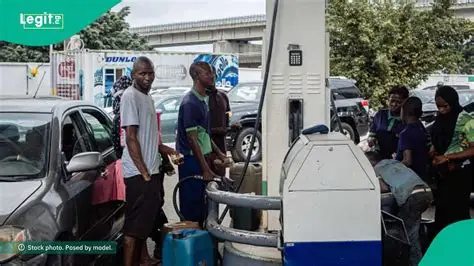
Announced on October 8, 2026, the initiative is designed to ease the burden of rising petrol prices, with public transport operators given priority. The government says the arrangement will be funded by NNPC Retail temporarily giving up its retail profit margin, rather than through direct payments from the federal budget.
Oyedele has argued that relief that cannot be sustained may only postpone the pressure consumers face, potentially leaving them with a sharper adjustment when the intervention ends.
Government Defends the Discount
The Finance Ministry explained that NNPC Retail purchases petrol from Dangote Refinery and other suppliers at market prices before adding its retail margin. By reducing or waiving that margin, the company can sell petrol at a lower price during the 30-day period.
The government maintains that this is not a return to the nationwide fuel subsidy that was removed in May 2023. Instead, it describes the arrangement as selling petrol at cost.
However, the discount still has commercial implications for NNPC Retail because the company is giving up income it would ordinarily earn from fuel sales.
The government believes increased sales volumes and stronger customer loyalty could help offset some of the reduced margin. However, it has not disclosed the exact discount per litre, the normal retail margin or the additional sales required to make up for the reduction.
The extent to which the arrangement benefits the company financially will therefore depend on its performance during the discount period.
What Happens After 30 Days?
The duration of the initiative has raised concerns about what happens when it expires, particularly if petrol prices remain high.
While lower fuel prices could temporarily reduce transport costs for households and businesses, the benefit may disappear if prices rise again after the discount ends.
The government is also negotiating a proposed ceiling of ₦1,350 per litre on petrol’s ex-gantry or landing cost. Under the proposed arrangement, refiners and importers would absorb costs above the ceiling and recover the difference later when market conditions improve.
The government says the plan is intended to reduce sudden price fluctuations rather than impose a permanent price control. The ceiling would be reviewed monthly, with the figures published for transparency.
However, the effectiveness of the proposal will depend on how excess costs are recovered and whether the arrangement can prevent sharp price increases without transferring the burden into the future.
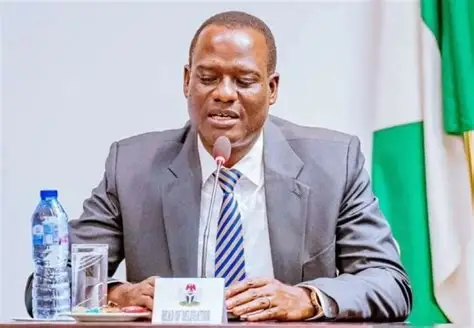
Private Marketers Face Competitive Pressure
The discount could also affect competition among fuel retailers. If NNPC stations offer petrol below prevailing market prices, private marketers may face pressure to reduce their own margins to retain customers.
Energy economist Olugbenga Olaoye said retailers could be forced to respond with lower margins or risk losing market share if one group of stations maintains cheaper prices, even temporarily.
He also stressed the importance of transparency, arguing that competition works best when operators face broadly similar supply conditions.
The absence of publicly disclosed details about NNPC Retail’s reduced margin and commercial terms makes it difficult to assess the full competitive impact on private filling stations.
Relief Must Go Beyond Lower Prices
For motorists and public transport operators, the discount could offer immediate support amid rising fuel and living costs. However, its longer-term value will depend on what happens after the 30-day period.
The government will need to demonstrate that the initiative can provide relief without creating additional pressure for consumers or placing competing retailers at a disadvantage.
Its proposed price-stabilisation measures will also need clear rules on cost recovery, regular reviews and transparent reporting to build confidence in the policy.
Ultimately, the success of the intervention will depend not only on whether petrol becomes cheaper for a month, but also on whether the government can limit future price shocks without leaving households to face an even greater financial burden when the relief ends.
