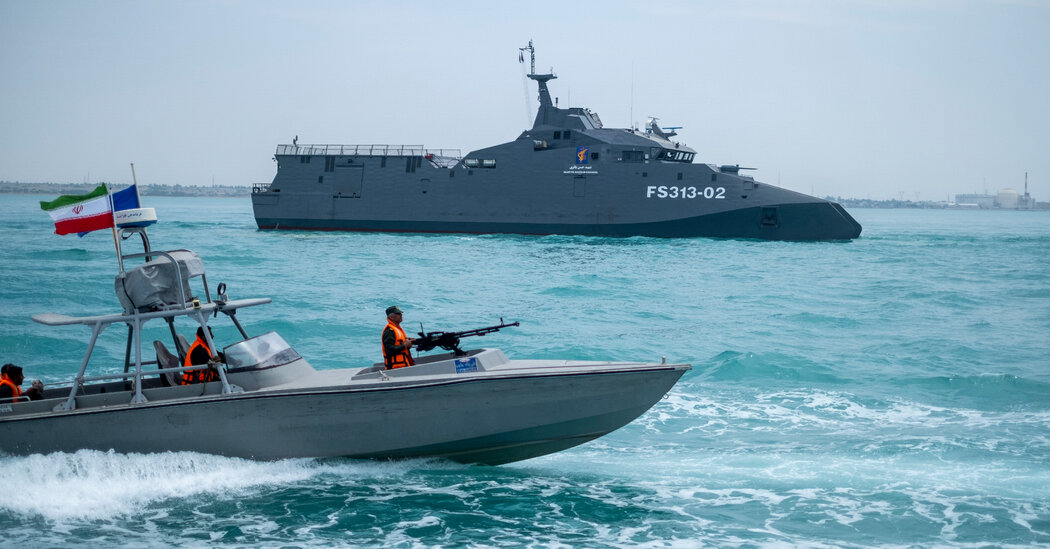
Iran has warned South Korea against deploying military personnel or becoming involved in United States-led operations in the Strait of Hormuz, cautioning that any such move could trigger “serious consequences”.
The warning was issued by Iran’s Foreign Ministry on Monday after Seoul said it was considering contributing to US security efforts in the strategically important waterway.
South Korea announced on Friday that it was weighing possible “contributions” to US security operations in the Strait of Hormuz, provided that doing so would not affect its own military readiness. Seoul stressed, however, that no final decision had been made.
Iran Warns Seoul Against US Pressure
Iranian Foreign Ministry spokesperson Esmaeil Baqaei urged South Korea not to give in to what he described as “US pressure and intimidation”.
“Any military deployment or participation in operations by other countries in the Persian Gulf or the Strait of Hormuz can only be regarded as direct support for the party responsible for that aggression and will have serious consequences,” he said in a post on X.
The warning comes amid continued tensions between Iran and the United States in and around the Strait of Hormuz.
Tensions Continue Around Strait of Hormuz
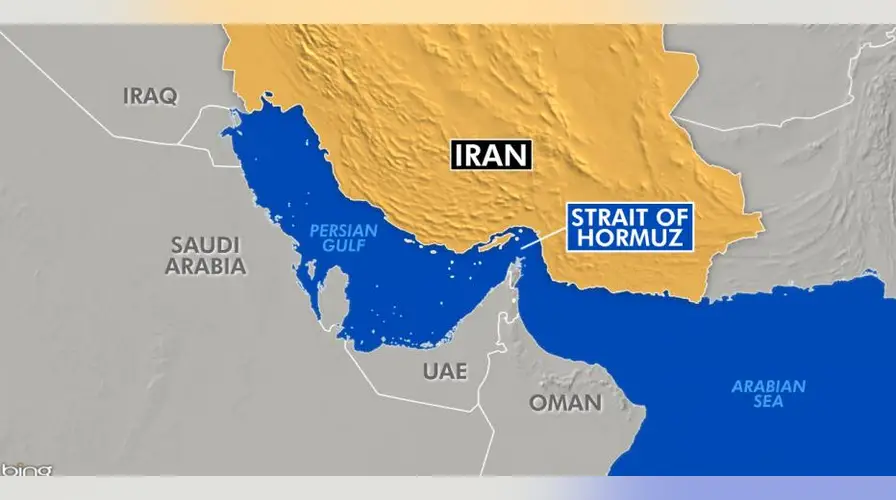
Iran and the US have continued exchanging fire in the region despite an April ceasefire that brought the initial phase of intense bombardment to an end.
Diplomatic negotiations between the two countries have also stalled as both sides remain locked in a dispute over control of the Strait of Hormuz.
The strategically vital waterway normally handles about one-fifth of global oil and liquefied natural gas exports, making any prolonged disruption a major concern for international energy markets.
Since the outbreak of the conflict, commercial traffic through the strait has been severely disrupted, contributing to instability in global energy markets.
Iran has also required vessels seeking to pass through the waterway to obtain permission, a move opposed by Washington and several countries in the region.
The US and its regional allies have maintained that there should be no return to restrictions on navigation and have called for a restoration of unrestricted passage through the strategically important waterway.
South Korea’s consideration of a role in US security efforts therefore comes at a particularly sensitive moment, with any military involvement likely to further raise tensions in the region.
