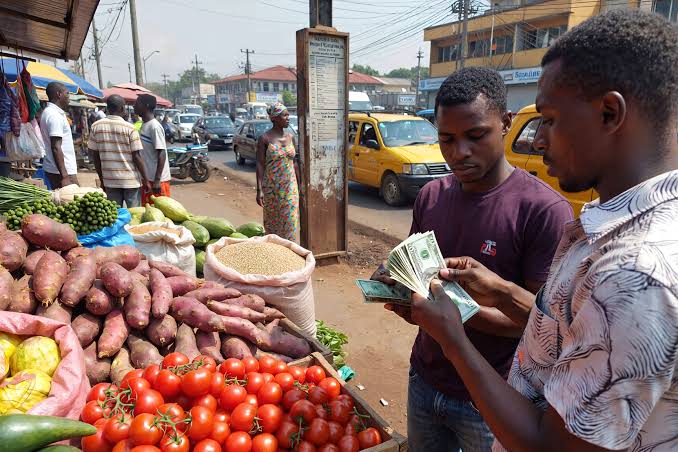
Nigerian consumers are becoming more deliberate about how they spend as prolonged pressure on household incomes forces them to rethink what they consider good value.
New research by McKinsey & Company shows that Nigeria experienced the sharpest affordability pressure among the five African markets examined. Inflation reached 33 percent in 2024, while disposable income grew by only 4.5 percent.
However, the pressure on household finances has not simply pushed consumers towards the cheapest products.
Instead, Nigerians are making calculated choices, cutting spending in some areas while continuing to pay for products and services they consider healthier, safer, more reliable or worth the money.
“Nigerian consumers are under significant pressure, but they are not making decisions on price alone,” said Damian Hattingh, Partner and leader of McKinsey’s Consumer Practice in Africa.
“They are becoming more selective about where they save, where they spend and what they believe is worth paying for.”
The shift is creating a more complex market for manufacturers, retailers, banks, fintechs and telecommunications companies. For many consumers, affordability is increasingly about how much money they can commit at a particular time rather than simply the final price of a product.
McKinsey found that Nigerian consumers’ willingness to pay more for healthier choices increased by 44 percentage points, suggesting that health and perceived quality remain important even as disposable incomes are under pressure.
Smaller purchases are becoming more common
The research also points to the growing spread of “sachetisation” beyond fast-moving consumer goods.
The concept of breaking products and services into smaller, more affordable commitments is increasingly appearing in sectors such as financial services, insurance, investments, telecommunications and media.
Financial service providers, for instance, are offering fractional investment options and flexible insurance payment schedules, allowing consumers to match spending with irregular or fragmented income.
For businesses, the change means simply reducing prices may no longer be enough.
Companies may need to rethink product sizes, packaging, payment schedules and subscription models around how frequently consumers receive income and how much they can afford to spend at once.

Traditional shops remain central
Despite changes in consumer behaviour, Nigeria’s retail market remains dominated by traditional outlets.
McKinsey estimates that between 90 and 95 percent of grocery retail in Nigeria still takes place through traditional trade, the highest proportion among the five African markets covered by the research.
High distribution costs and logistics challenges continue to make neighbourhood shops and informal outlets important parts of the retail system.
This has created an unusual consumer market where shoppers are becoming more deliberate and sophisticated about their spending while still relying heavily on familiar neighbourhood stores.
Digital payments are changing the market
Digital transformation is also progressing around these traditional retail channels.
Cash accounted for 32 percent of Nigeria’s online transaction value in 2019, but its share fell to 11 percent in 2024. Meanwhile, account-to-account transfers increased from 25 percent to 44 percent over the same period.
This suggests Nigeria is not moving directly from informal commerce to modern retail. Instead, traditional retail remains important while the financial systems supporting it become increasingly digital.
For consumer-facing companies, the research highlights the need to understand what customers value, how much they can afford to commit at once, where they shop and how they prefer to pay.
“Nigeria’s consumer market is not moving neatly from traditional to modern,” Hattingh said.
“The opportunity is to meet consumers where they already are, while making products, payments and distribution work better around the way they live and spend.”
The findings are based on responses from 5,013 Nigerian consumers who participated in McKinsey’s State of Consumer Africa 2026 research, which covered 9,036 consumers across Nigeria, Egypt, Kenya, Morocco and South Africa.
For Nigerian businesses, the changing consumer equation is therefore no longer simply about choosing between cheap and expensive products. Consumers are increasingly looking for options that are affordable, flexible and valuable while deciding more carefully where each naira goes.
Read also on Radarr: Nigeria’s Neighbourhood Shops Keep Brands Close to Consumers | Chinese Businesses Move Closer to Nigerian Consumers
