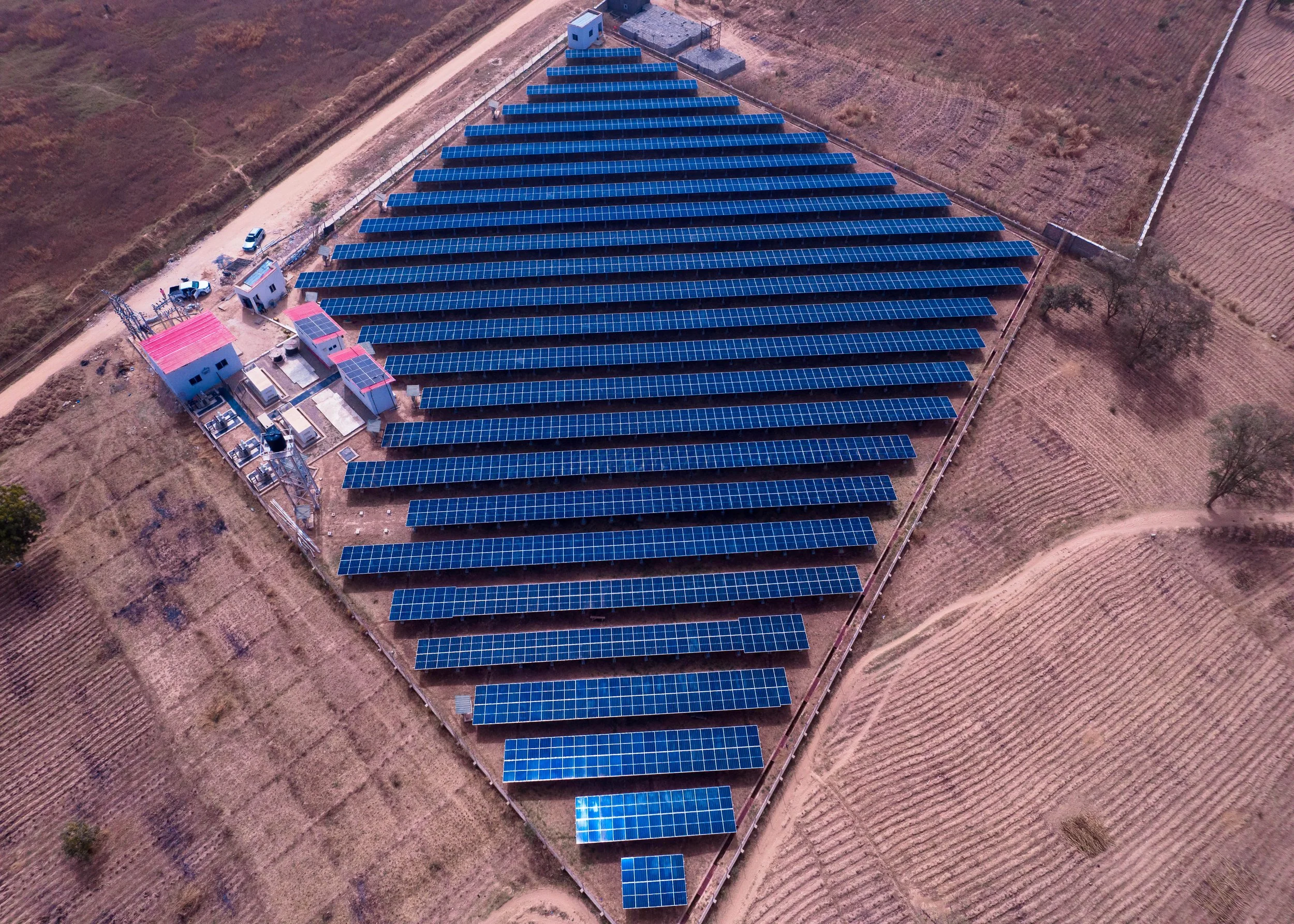
A new solar-powered electricity model in Kano is helping to extend daily power supply from about four hours to as much as 20 hours, demonstrating how distributed renewable energy can improve reliability in areas affected by weak grid supply.
The approach combines the conventional electricity network with solar mini-grids and other local power sources, allowing electricity to be generated closer to customers rather than depending entirely on the national grid.
The model is being developed across Kano, Katsina and Jigawa by Kano Electricity Distribution Company (KEDCO) and its renewable-energy partners.
KEDCO has been expanding its investment in solar and embedded power projects as part of efforts to strengthen electricity supply across its franchise area. The company recently signed an agreement to take 10MW of power from the Haske Solar Plant and is targeting 150MW of renewable-energy capacity by 2027. (Businessday NG)
From four hours to longer supply
The model is designed to address one of the biggest problems facing electricity customers in northern Nigeria: unreliable supply from the national grid.
Instead of relying solely on electricity transmitted over long distances, distributed generation allows smaller power facilities to supply specific communities, businesses and industrial areas.
In Kano, this approach has already been linked to longer supply hours in some locations.
KEDCO’s Dawanau Network Expansion Project, for example, has helped provide more than 20 hours of electricity daily to the Dawanau International Grains Market and surrounding communities. The project involved a 35-kilometre network expansion. (Businessday NG)
Solar becomes part of the grid
The strategy goes beyond installing standalone solar systems.
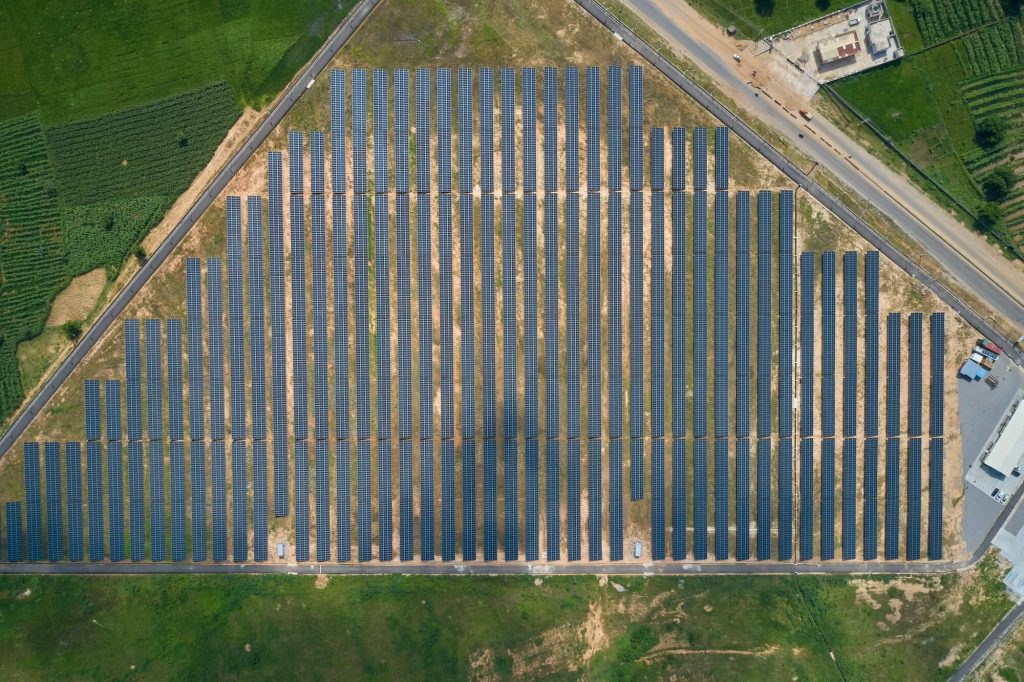
Solar generation is being integrated into existing distribution networks so that electricity generated locally can supplement power received from the national grid.
KEDCO has also developed solar-hybrid mini-grid projects in communities including Kafin Hausa, with additional projects planned or underway in places such as Hadejia, Dutse, Kazaure, Ringim, Gagarawa and Gumel. (Businessday NG)
The Kafin Hausa project includes a 500kWp solar facility, backup generation and distribution infrastructure designed to provide more reliable electricity to homes and businesses in the community. (Businessday NG)
A different approach to Nigeria’s power problem
Nigeria’s electricity system has long struggled with insufficient generation, transmission constraints and distribution losses.
These challenges mean that even when power is available from generating companies, it may not reach consumers consistently.
Distributed generation offers a different approach by placing additional sources of electricity closer to where demand exists.
An interconnected mini-grid can combine solar panels, batteries or other generation sources with existing distribution infrastructure. This can help communities and businesses maintain supply even when electricity from the national grid is inadequate.
The approach is particularly useful in areas where expanding traditional grid infrastructure is expensive or slow.
Kano targets stronger energy security
KEDCO has previously announced plans for a 100MW “Safe Grid” covering Kano, Katsina and Jigawa.
The project is intended to reduce dependence on the national grid by combining embedded generation with electricity purchased from renewable and hydroelectric projects.
The initial plan included a 20MW power plant, 10MW from the Haske Solar Plant and 16MW from the Tiga and Challawa hydroelectric projects, providing an initial combined capacity of 46MW. (Businessday NG)
The broader objective is to create a more dependable electricity system for industries, commercial centres and critical infrastructure.
Businesses could benefit
More reliable electricity could have a direct impact on businesses operating in Kano and neighbouring states.
Manufacturers, traders and other businesses currently rely heavily on diesel and petrol generators when public electricity is unavailable. Reducing generator dependence could lower operating costs and allow businesses to use more of their resources for production and expansion.
KEDCO has reported that electricity consumption among industrial customers increased by more than 60 percent, which it attributed partly to improved supply reliability and increased economic activity in the Kano industrial corridor. (Businessday NG)
The development also has implications for agricultural processing and small businesses in communities where unreliable electricity has limited economic activity.
Can the model be replicated?
The Kano experience highlights the potential of combining renewable energy with existing electricity networks rather than treating solar power as a completely separate system.
Nigeria has significant solar resources, while many communities continue to receive unreliable grid electricity. Distributed solar generation could therefore play a larger role in filling gaps in supply.
However, expanding the model will require investment in distribution infrastructure, financing, maintenance, metering and clear commercial arrangements between power producers and distributors.
The long-term success of the approach will also depend on whether customers can receive reliable electricity at prices that remain affordable.
For Kano and other parts of northern Nigeria, the move towards a mixed grid-and-solar model could provide a practical route towards longer electricity supply hours while reducing dependence on the country’s strained national grid.
Read also on Radarr: Nigeria’s Power Grid Faces Residential Exit as Solar Costs Fall | Renewvia Plans $750M Solar Mini-Grid Expansion in Africa
