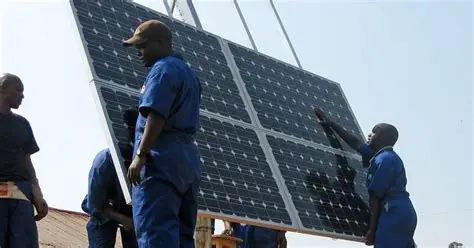
Nigeria’s electricity grid could face a growing loss of residential customers as falling solar equipment costs and persistent concerns over grid reliability encourage more households to generate their own power.
The increasing adoption of rooftop solar is gradually changing how Nigerians meet their electricity needs, particularly as households and businesses look for alternatives to an unreliable national grid and increasingly expensive backup generation.
Solar technology has become more accessible in recent years, with lower equipment costs making residential systems a more realistic option for households that can afford the initial investment.
A recent study published in Sustainable Energy Research found that rooftop solar photovoltaic systems are becoming increasingly important for Nigerian households because of persistent instability in electricity supply. The study also assessed the lifecycle costs and levelised cost of electricity associated with residential solar systems in Nigeria.
The shift is taking place against the backdrop of continuing challenges within the national power system. Data from the Nigerian Electricity Regulatory Commission show that only part of the country’s installed generation capacity is typically available for dispatch. In April 2026, for example, the average plant availability factor stood at 31 percent, with 4,286MW available from 13,625MW of installed capacity.
For households, unreliable grid supply often means depending on petrol or diesel generators to bridge electricity gaps. However, high fuel costs have increased the pressure on consumers to consider alternative sources.
Energy costs remain a major concern. Nigeria’s energy inflation rose to 4.69 percent in August 2026 from 4.40 percent in July, while petrol prices in major cities remained around ₦1,400 to ₦1,450 per litre.
The cost of solar installation remains a major barrier despite falling equipment prices. A small 1kW to 3kW system can cost roughly ₦800,000 to ₦2.5 million, while systems between 3.5kW and 5kW can range from ₦2.5 million to ₦8 million, depending on equipment and installation requirements. Larger systems can cost significantly more.
Nevertheless, the long-term economics of solar are becoming increasingly attractive for some consumers. Once installed, solar systems can reduce dependence on the grid and generators while shielding households from recurring fuel expenses.
The growing preference for solar could eventually reduce the amount of electricity consumed from the national grid by residential customers. If adoption continues to expand, distribution companies could increasingly serve households that use the grid mainly as a backup source rather than their primary source of electricity.
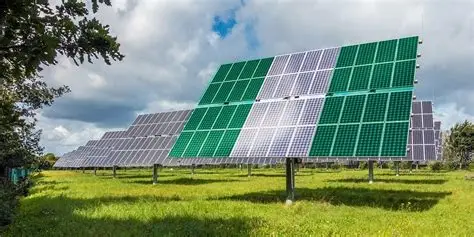
Hybrid systems combining solar panels, batteries and the national grid or generators are also becoming an option for consumers seeking more reliable electricity throughout the day and night.
However, solar adoption does not completely eliminate dependence on the grid. Battery capacity, weather conditions, equipment quality and the amount of electricity consumed by a household all influence how effectively a solar installation can replace grid power.
Nigeria’s rainy season can also affect solar generation. Heavy cloud cover reduces the amount of sunlight reaching photovoltaic panels, meaning batteries may take longer to recharge and standalone systems may require larger storage capacity or an alternative backup source.
The development therefore presents both an opportunity and a challenge for Nigeria’s electricity market. While cheaper solar technology could provide households with greater control over their electricity supply, a significant shift away from the grid could also alter the revenue base of electricity distribution companies.
As solar technology becomes more affordable and electricity consumers continue to seek alternatives to unreliable supply and costly generators, residential customers could increasingly move towards self-generation, potentially changing the role of the national grid in powering Nigerian homes.
