Nigeria’s headline inflation rate eased to 15.39 percent in August 2026, reflecting a continued slowdown in the pace of price increases across the economy. The latest figures indicate a modest improvement from the previous month’s rate, offering further evidence that inflationary pressures may be gradually stabilizing.
The decline comes as monthly consumer price growth also moderated, suggesting that while prices are still rising, they are doing so at a slower pace than before. Economists note that easing inflation can help improve business confidence and support household spending, although many Nigerians continue to face elevated living costs due to the cumulative impact of past price increases.
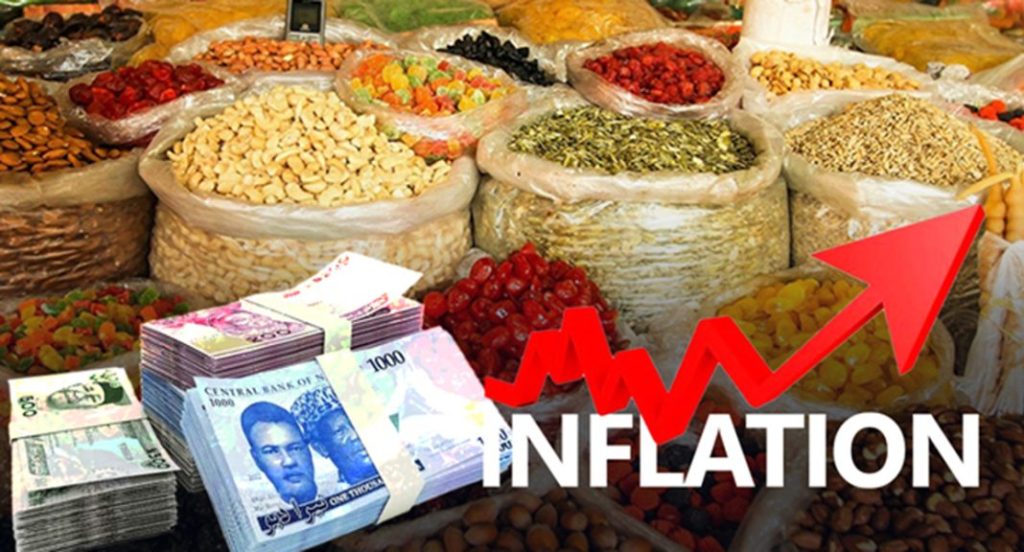
According to economic analysts, lower inflation should not be mistaken for falling prices. As one expert explained, “What we are seeing is a slower rate of increase in prices. The purchasing power erosion that occurred during the period of very high inflation has not been reversed.”
The latest inflation data is likely to be closely monitored by policymakers, investors, and businesses as they assess its implications for interest rates, consumer demand, and overall economic growth. Recent trends have shown a gradual moderation in inflation following months of disinflation, supported by improved exchange-rate stability and easing cost pressures in some sectors.
Read also on Radarr: IMF Backs Nigeria’s Rate Cuts but Warns Inflation Fight Is Not Over | Nigeria Cuts Interest Rate to 23% as Inflation Slows
