The Federal Government has backed the launch of a 100-Day Tourism Calendar aimed at bringing together Nigeria’s festivals, concerts, cultural celebrations and lifestyle experiences on a single digital platform as part of efforts to unlock a projected $100 billion tourism and creative economy.
The calendar, powered by MyCityApp and MyLagosApp, was unveiled at the Ember2Remember National Stakeholders’ Conference in Victoria Island, Lagos.
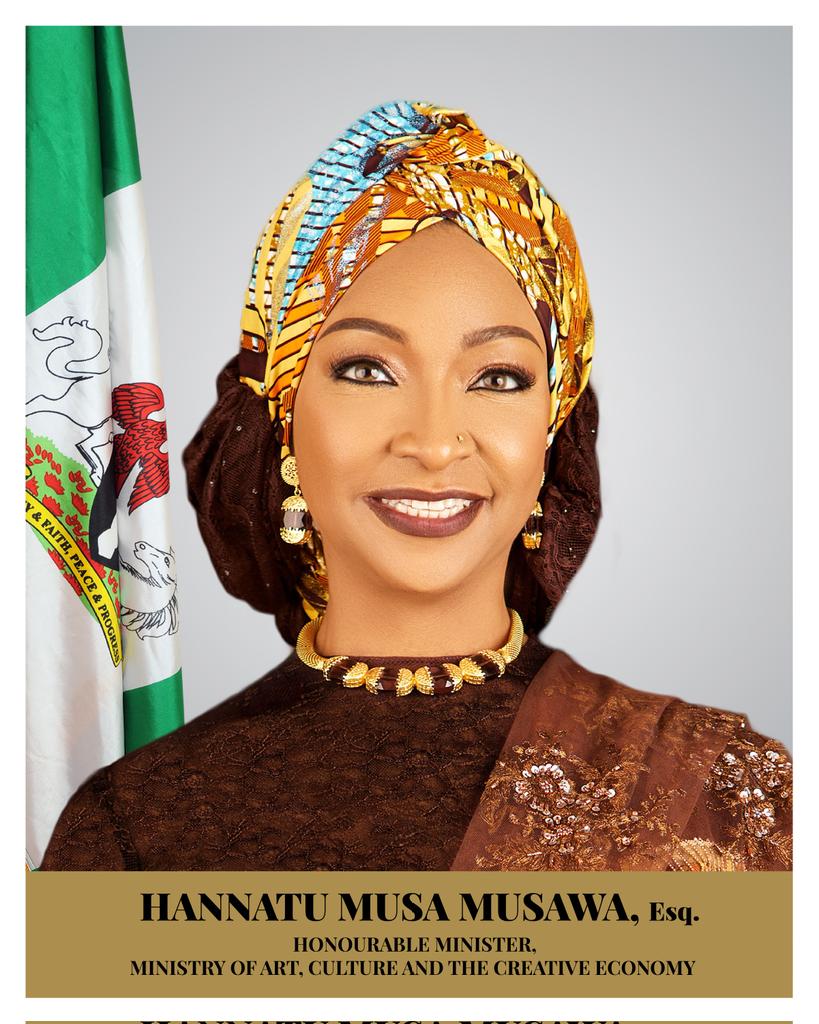
The initiative was announced by Dr Nneka Anibeze, Senior Special Assistant to the Minister of Arts, Culture and Creative Economy, Hannatu Musawa, on Tuesday.
The 100-day programme is designed to maximise the economic opportunities associated with Nigeria’s September-to-December festive season by connecting tourists, Nigerians in the diaspora and local consumers with events and experiences taking place across the country.
FG Targets Jobs and Investment Through Tourism
Speaking at the conference, Musawa said the government wanted to change the perception of the festive period from being simply a time for celebration to a major economic opportunity capable of generating jobs, attracting investment and supporting businesses.
Musawa said, “This initiative is about moving beyond the traditional concept of a festive season. It is about deliberately organising, packaging, promoting, and monetising one of the most economically active periods in our national calendar.”
She noted that tourism has a broad economic impact because visitors spend money across multiple sectors, including aviation, transportation, hospitality, entertainment, retail, technology and the creative industries.
“Every visitor creates a value chain — from aviation and transportation to hotels, restaurants, entertainment, retail, technology, artisans, and local communities. Within these value chains are opportunities for businesses, jobs, investment, and livelihoods,” the minister stated.
Government Calls for Nationwide Participation
Musawa urged state governments, event organisers, tourism operators, hotels and other stakeholders to submit their activities scheduled for September through December to the national calendar.
According to her, the platform is intended to become a central destination where Nigerians and international visitors can easily discover cultural, tourism and entertainment experiences taking place across the country.
“We want to create a single, credible, and compelling platform through which Nigerians, the diaspora, and international visitors can discover what is happening across Nigeria. Imagine someone sitting in London, New York, Johannesburg, or Toronto being able to see, in one place, the extraordinary experiences available across Nigeria,” she said.
The minister commended MyCityApp Chief Executive Officer, Ifeoma Chukwu, for championing the initiative and encouraged more states and private-sector operators to participate.
MyCityApp Targets $100bn Tourism Economy
Earlier at the event, Chukwu said Nigeria could build a $100 billion tourism economy by deliberately packaging and monetising its cultural resources and visitor experiences.
She pointed to the contribution of tourism to major economies around the world, arguing that Nigeria’s $100 billion ambition should be considered achievable given the country’s vast cultural and tourism assets.
“When we speak about building a $100 billion tourism economy, it may sound ambitious. But globally, the evidence tells us it is achievable,” Chukwu said.
She added, “The question is not whether a $100 billion tourism economy is possible. It is: why not Nigeria?”
Nigeria Seeks to Diversify Economy Beyond Oil
The tourism initiative comes as the Federal Government intensifies efforts to diversify Nigeria’s economy beyond crude oil by increasing the contribution of tourism, culture and the creative industries to national development.
Nigeria has a wide range of cultural festivals, entertainment events, historical attractions and creative businesses capable of attracting domestic and international visitors.
However, the sector continues to face challenges such as fragmented promotion, inadequate infrastructure, limited visitor data and weak coordination among tourism stakeholders.
The new 100-Day Tourism Calendar is expected to help address some of these challenges by bringing events and experiences from different cities and states together on one digital platform.
By improving visibility and coordination, the initiative is expected to make it easier for visitors to discover events, encourage greater participation in tourism activities and create additional economic opportunities for businesses and local communities.
