By Radarr Africa Business Desk
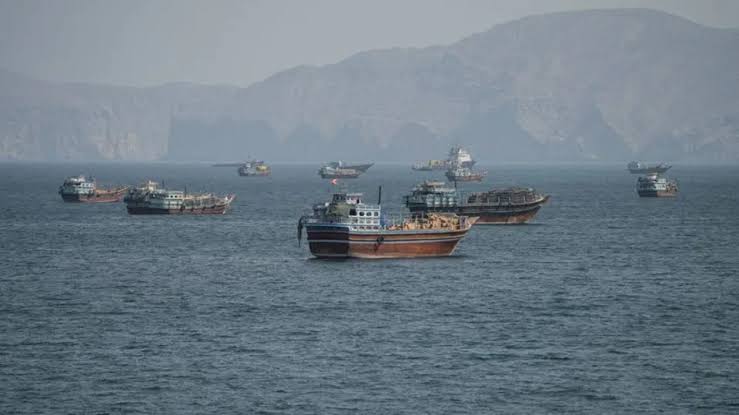
LAGOS, November 5 (Radarr Africa) – Oil prices climbed on Tuesday after the United States reportedly struck Iran’s Qeshm Island late on Monday, a day after crude fell more than 7 per cent on signals of a diplomatic solution, according to CNBC, as published by CNBC Africa.
The report, published on November 3, said the strike took place one day before the US midterm elections. The Wall Street Journal reported it, citing unnamed US officials, who described the campaign as deliberately low-profile. The report said the United States has carried out “limited strikes” against Iran in recent weeks.
The article gave two sets of price figures that it did not reconcile. In its description and body, Brent crude was up 1.75 per cent at $106.60 a barrel and West Texas Intermediate (WTI) was up 1.7 per cent at $98.10. In its key points, Brent was up 0.97 per cent at $105.77 and WTI was up 0.97 per cent at $97.41.
Oil had sold off by more than 7 per cent on Monday after the US and Iranian presidents signalled openness to a diplomatic solution, the report said. Brent had earlier reached its highest level since 2022.
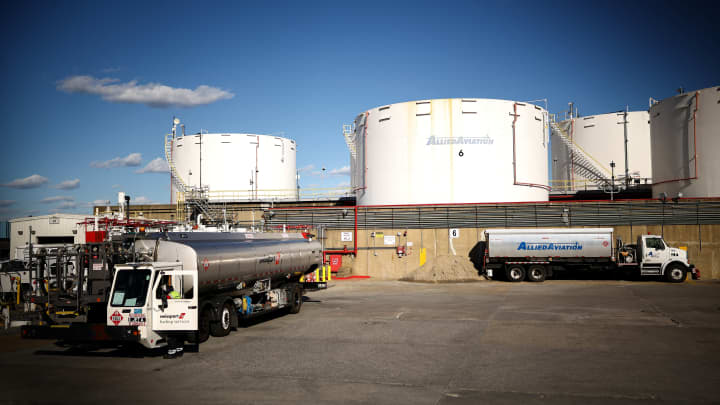
Vice President JD Vance told CNN that the administration was optimistic about a negotiated settlement. He said he and the president “both feel really good about the prospect of potentially coming to a negotiated settlement”. Secretary of State Marco Rubio said on Sunday that President Donald Trump would like to resolve the war “diplomatically”.
High oil prices have contributed to US inflation and gasoline prices, a concern for the president before the midterm elections, the report said. Two Federal Reserve presidents said last week that interest rates will need to rise, it added.
By Wednesday, the Schwab market update showed WTI crude at $93.71, down $2.48 on the day, after Democrats won the midterm elections. Radarr Africa reported on Tuesday that Wall Street ended mixed and oil slid on hopes of talks with Iran.
Nairametrics reported separately that the Bank of Ghana is assessing price pressures linked partly to the Iran war and its effect on fuel and fertiliser supplies, and that NNPC reported crude and condensate output of 1.70 million barrels a day in September.
The CNBC report did not say which targets were hit on Qeshm Island, did not carry a statement from either government on the strike, and did not say how long the low-profile campaign has been running. The Wall Street Journal’s reporting rests on unnamed officials.
The diverging signals, with strikes reported on one hand and public statements favouring a negotiated settlement on the other, left the direction of crude prices tied to the progress of any talks, the report indicated.
