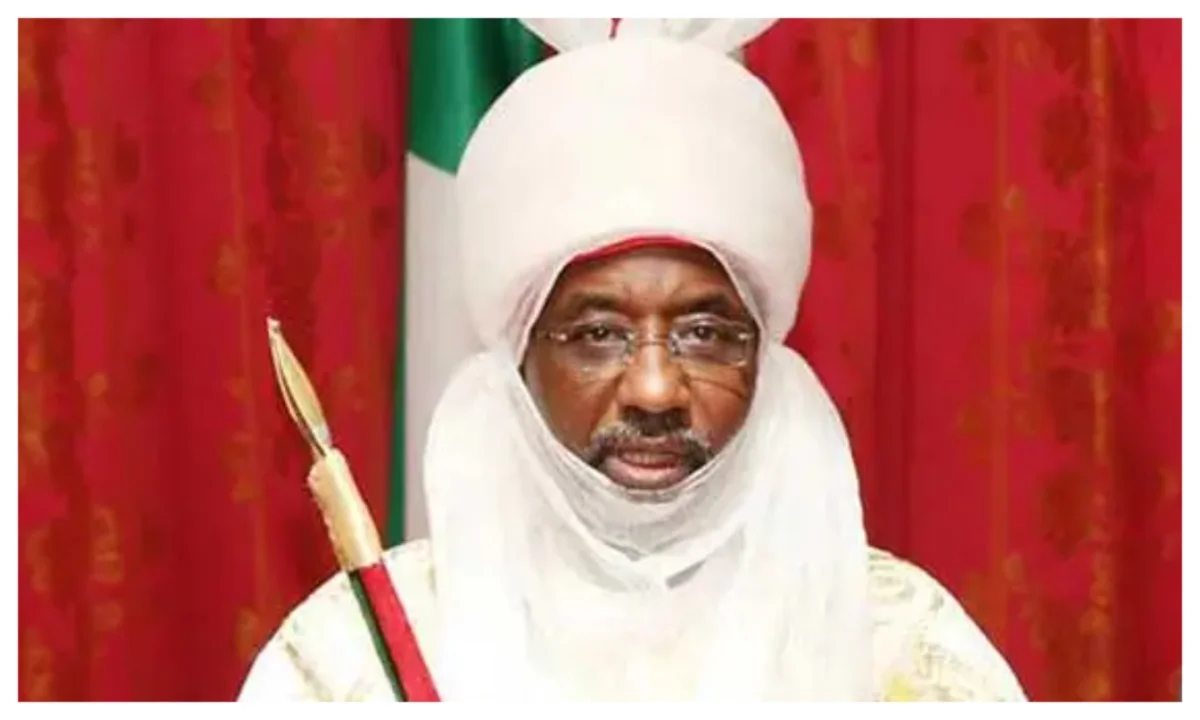
The Emir of Kano, Muhammadu Sanusi II, has questioned the continued detention of former Kaduna State Governor, Nasir El-Rufai, saying the case has raised concerns about how Nigeria’s anti-corruption laws are applied.
Sanusi made the comments during an interview with Channels Television in Lagos at the public presentation of Unexplained Wealth: A Trilogy of Nigerian Financial Law, a three-volume publication authored by anti-corruption lawyer Wahab Shittu.
He said Nigeria already has laws, investigative agencies and courts responsible for tackling corruption, but argued that stronger implementation is needed.
“The laws are one thing. Even the existing laws we have need to be implemented better. You have institutions that are supposed to identify corrupt people and prosecute them. You have courts that are supposed to do it.”
Sanusi also alleged that political considerations can sometimes affect how corruption cases are handled.
“We have seen in this country people who are facing corruption charges who basically just get those charges dropped because they belong to the right political environment or have the right political support,” he said.
He said such situations could make people question whether anti-corruption proceedings are being applied consistently.
“So people begin to wonder is this really a fight against corruption or is it a political battle?” he asked.
The Emir specifically cited El-Rufai’s case, noting that the former governor had spent seven months in detention without a conviction.
“An example is my brother Nasir El-Rufai who’s been denied bail. He’s been in detention for seven months, not having been convicted for anything using the courts,” Sanusi said.
El-Rufai was initially detained by the EFCC in February 2026 over allegations of financial impropriety linked to his tenure as Kaduna governor. He was later taken into ICPC custody as investigations continued.
He has since faced separate legal proceedings involving allegations including financial crimes, abuse of office and money laundering. El-Rufai has pleaded not guilty to the charges and denied the allegations.
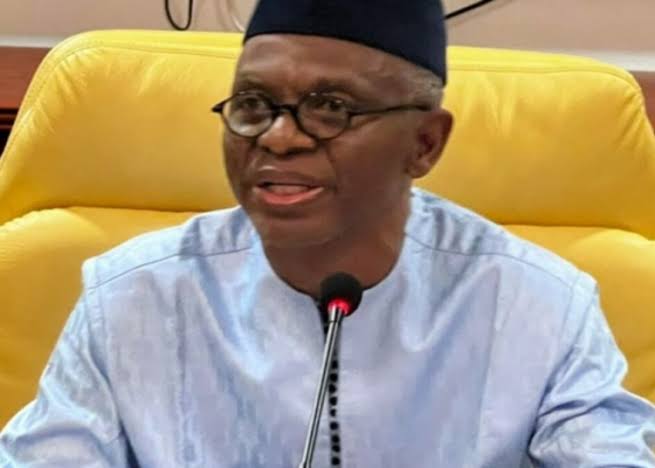
In a separate case brought by the Department of State Services over alleged interception of telephone communications involving National Security Adviser Nuhu Ribadu, El-Rufai also pleaded not guilty. The court is expected to rule on his no-case submission on October 26, 2026.
Sanusi said reviewing Nigeria’s anti-corruption laws was useful but stressed that the institutions responsible for enforcing those laws also needed attention.
“Now until the politicians and those who control political office and the judiciary decide that they are going to use these laws for the purpose for which they are set up, we’re not going to get anywhere,” he said.
He added that effective enforcement would be necessary for Nigeria to make progress in its fight against corruption.
