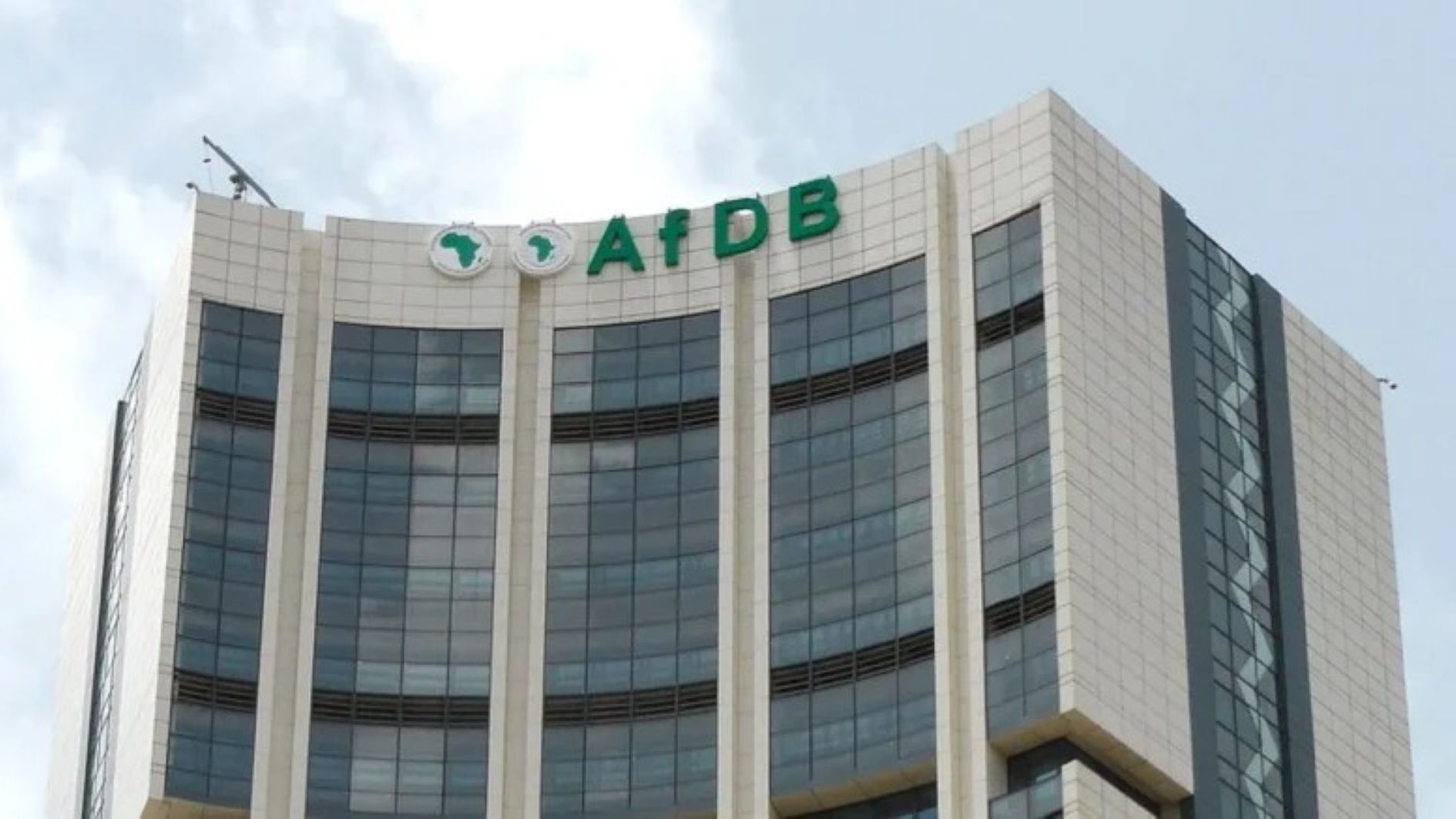
ABIDJAN, November 26 (Radarr Africa) – The African Development Bank (AfDB) and the European Bank for Reconstruction and Development (EBRD) have stepped up their partnership to finance small and medium-sized enterprises (SMEs) in Africa, with the two lenders saying their co-financed projects since 2024 are worth around €1.25 billion.
The EBRD opened its Abidjan country office on November 23. On November 24, AfDB Group President Sidi Ould Tah and EBRD President Odile Renaud-Basso held a fireside chat with staff and then opened the Africa SME Business Day at the Noom Hotel in Abidjan, which drew about 200 participants.
Ould Tah said no institution can meet the challenges facing African SMEs alone. “We cannot have a one-size-fits-all solution,” he said, noting that very small enterprises and formal businesses face different constraints. He welcomed the EBRD’s growing activity in Africa, especially in Côte d’Ivoire.
Renaud-Basso said SMEs are the most powerful engine of job creation and growth. She said the EBRD pairs lending with advisory support, and that it has begun rolling out financing and risk-sharing instruments in Côte d’Ivoire.
The two banks set out a joint project called EnterpRise Africa, which targets fast-growing SMEs that are ready to scale. It has two parts, a private credit fund and an advisory platform. Nine countries are under consideration: Benin, Côte d’Ivoire, Ghana, Kenya, Nigeria and Senegal, where both banks operate, plus Burkina Faso, Burundi and the Democratic Republic of Congo, where the AfDB would operate alone. Italy is considering a contribution through its Ministry of Economy and Finance.
The AfDB’s SME Development Action Plan 2026-2031 combines financing, technical assistance and market access, with supply chain financing as a priority. The banks said mid-sized companies are the least well served, for example when they must finance purchases to fill large manufacturers’ orders.
Kalil Konaté, Côte d’Ivoire’s minister in charge of trade, industry and crafts, praised the closer cooperation. He argued that conventional profitability criteria should not apply to every project, especially those led by young people and women.
Abdoulaye Diop, president of the West African Economic and Monetary Union (WAEMU) Commission, stressed regional integration for SMEs, including a larger market, harmonised rules and free movement of goods and services.
Denis Charles Kouassi, director general of Côte d’Ivoire’s National Social Security Fund (CNPS), said its portfolio grew from CFA 94 billion (about $157 million) in 2012 to CFA 2 trillion (about $3.34 billion) today. Its investments in companies rose from CFA 11 billion (about $18.4 million) to more than CFA 500 billion, close to $835 million.
Edoh Kossi Amenounvé, director general of the Regional Securities Exchange (BRVM), pitched capital markets as a source of SME finance. He cited the BRVM’s dedicated SME segment and the mobilisation of retail savings. SME leaders at the event asked for lower tax burdens and shorter payment delays.
On local currency and domestic capital, the banks said Africa needs about $400 billion a year and holds about $4 trillion in domestic savings. The New African Financial Architecture for Development, championed by Ould Tah, was endorsed in February by African Union heads of state and government. A panel included the West African Development Bank (BOAD), the BRVM, NSIA Group and CNPS.
The EBRD has 35 years of local-currency lending experience and supported the Moroccan Overnight Index Average (MONIA) benchmark in 2020. The AfDB’s recent first Moroccan dirham bond is indexed to MONIA.
In Egypt, both banks are financing the Dandara solar project, which combines 500 megawatts of solar capacity with 100 megawatt-hours of battery storage under a 25-year contract to supply the aluminium producer Egyptalum. Renaud-Basso called it a strong example of the two banks’ combined strengths.
The two banks signed a cooperation framework in May 2021 and have run a staff exchange since 2023.
