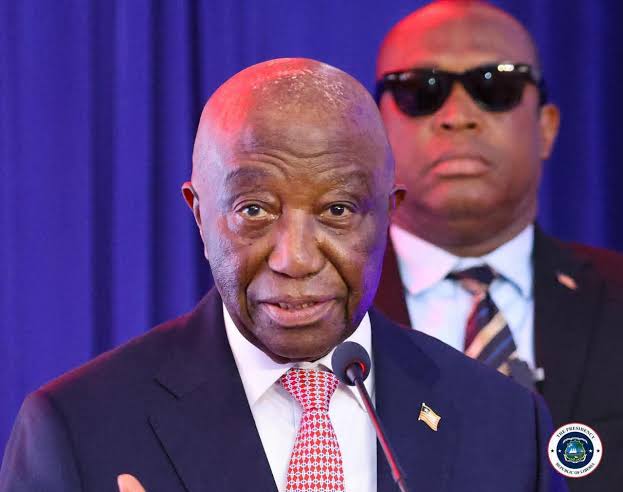
MONROVIA, November 24 (Radarr Africa) – Liberia’s government has concluded negotiations with gold miner Bea Mountain Mining Corporation (BMMC) on a proposed $5.7 billion Master Infrastructure Development Agreement that would add 270 megawatts of power to the national grid and build a 146-kilometre highway, with formal signing set for Wednesday.
President Joseph Nyuma Boakai received the proposed agreement from the Interministerial Concession Committee on Sunday, November 22. It will be signed on November 25 and then goes to the Liberian Legislature for approval.
The power component centres on four plants, three hydropower and one biomass. They include a 100-megawatt hydropower plant on the Via River, two facilities on the St. Paul River totalling 110 megawatts, and a 60-megawatt biomass plant near the Via dam.
The plan includes three reservoirs with combined storage of 10 billion cubic metres. Transmission lines would run 150 kilometres from the power plants to the Mount Coffee substation, 150 kilometres from the Via hydropower facility to Nimba County and 5 kilometres to serve Bong County. A further $230 million is allocated to the national grid, including substations, transformers and transmission.
The 146-kilometre Liberia Development Road is the flagship road corridor, and the government plans an additional $1 billion for road networks. The programme would run for five years, with the biomass plant and transmission lines targeted for the first two years.
The government will fund the programme from extra revenue payable by Bea Mountain as a result of higher gold prices, while the company continues its regular contributions to the Consolidated Account. The government says the initiative supports its ARREST Agenda for Inclusive Development and will create construction and operating jobs and technical training in engineering, construction and power plant operations.
Bea Mountain operates the New Liberty gold mine, Liberia’s first commercial gold mine, under a Mineral Development Agreement restated and amended in 2013. In an April 2026 statement the company said a 2020 to 2023 expansion worth $2 billion added satellite mines at Ndablama and Weaju, 52 kilometres of haul roads and more than 1,300 pieces of heavy equipment.
A fourth satellite mine in the Matambo Corridor was commissioned in 2025, lifting capacity to about 350,000 ounces a year, BMMC said. The company employs about 10,000 people, five times its original workforce, and projects contributions of more than $200 million to the national budget.
BMMC chief executive Serhan Umurhan said in April that a planned expansion would double annual plant capacity and could lift employment by more than 2,000. Mines and Energy Minister R. Matenokay Tingban said at the time that the expansion meant more revenue and infrastructure for Liberia.
Liberia’s power shortages have been a long-standing constraint. In March the government set a target of 700 megawatts of installed generation by 2030, with a 100-megawatt heavy fuel oil plant to be deployed within 12 months and a 300-megawatt combined-cycle gas project valued at about $500 million planned in Buchanan.
In June Boakai dedicated a 20-megawatt solar plant at Mount Coffee, backed by the World Bank, and the government secured a further $57 million from the bank in March to lift solar capacity to 30 megawatts and add a 12-megawatt battery storage system. Plans also include a 42-megawatt expansion of the Mount Coffee hydropower plant.
