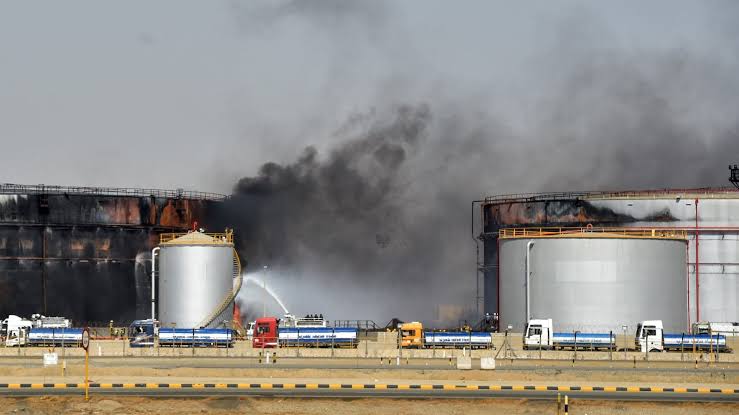
LAGOS, November 24 (Radarr Africa) – Brent crude eased 0.82 per cent to $91.81 a barrel on Monday as markets weighed expectations of a supply surplus against a Houthi claim of an attack on Saudi Arabia’s Rabigh refinery and fresh Iranian strikes on Bahrain, risks that African governments on both sides of the oil trade are watching closely.
In Morocco, Finance Minister Fouzi Lekjaa told lawmakers on Monday that the government will not return to fuel price caps or put an extra 60 billion dirhams into subsidies. The World Bank said Algeria’s Sahara Blend averaged $68.6 a barrel in 2025 and spiked to about $133 in April 2026 on geopolitical tension.
North Sea Brent for January delivery was at $91.81 at about 10:30 GMT, while West Texas Intermediate for January delivery fell 0.46 per cent to $83.03 on its first day as the reference contract. In early Asian trading Brent was at $92.35, down 0.22 per cent.
The Dutch TTF gas benchmark rose almost 4 per cent to 92.01 euros as European temperature forecasts were revised sharply lower. Liquefied natural gas flows through the Strait of Hormuz fell sharply over the past week after a slight rebound.
The Iran-aligned Houthis said on Sunday they targeted Saudi Arabia’s Rabigh refinery and directly hit the infrastructure, though the extent of any damage is unclear. The Saudi-led coalition said it intercepted and destroyed a Houthi drone heading towards the kingdom’s western region, which includes critical energy refining and export infrastructure.
Rabigh is about 165 kilometres north of Jeddah on the Red Sea coast and hosts Petro Rabigh, a refining and petrochemical complex developed by Saudi Aramco and Japan’s Sumitomo Chemical.
Bahrain said on Sunday that two people were injured in an Iranian attack on Saturday. Bahrain has been targeted several times since mid-November, and Tehran says it is retaliating against US strikes.
The war between the United States, Israel and Iran began in late February, and negotiators have failed to agree terms to end it. Before the war, the Strait of Hormuz carried about a fifth of the world’s crude shipments. The UK Maritime Trade Operations centre reported a tanker incident in the Gulf of Oman on Sunday, after two tankers were struck by unknown projectiles the day before.
US President Donald Trump said in a Fox News interview on Saturday that he is inclined to order strikes against Tehran next year if no deal is finalised. “They’re more aggressive now than before the election,” he said. Iran’s deputy foreign minister, Kazem Gharibabadi, said after a two-hour meeting with Qatari mediators that Tehran is in contact with mediators, including the Qataris, in person and virtually.
The market has nonetheless drifted lower without new escalation headlines, said Arne Lohmann Rasmussen of Global Risk Management, who warned that the risk of a new US-Iran escalation has sharply increased. Tamas Varga, an analyst at PVM, said Gulf oil production and exports appear to have normalised and stocks are rebuilding rapidly.
Analysts at DNB Carnegie said LNG traffic has historically tended to fall more sharply than oil flows when tension rises. The market now expects a global supply surplus, even as risks from the Middle East persist.
Trump, Russian President Vladimir Putin and Chinese President Xi Jinping adopted a declaration in favour of peace on Thursday at a tripartite summit. The text sets out common but vague goals of stability and reducing nuclear risk.
