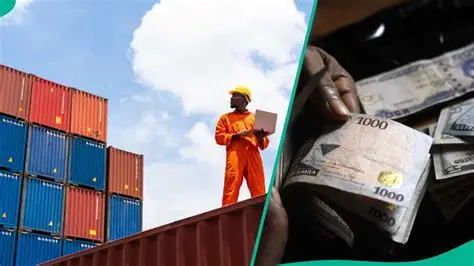
High production and logistics costs are making Nigerian manufactured goods less competitive in international markets, creating another challenge for the country’s efforts to diversify its economy away from oil.
The Manufacturers Association of Nigeria (MAN) said the high cost of energy, finance, transportation and taxes continues to increase factory-gate prices and make it harder for local manufacturers to compete with producers in other countries.
Segun Ajayi-Kadir, Director-General of MAN, raised the concern at the ninth annual general meeting of the MAN Export Promotion Group (MANEG) in Lagos.
“These costs increase the price of Nigerian-manufactured products and make them less competitive in international markets,” Kadir said.
Nigeria recorded N3.73 trillion in non-oil exports in the second quarter of 2026. However, much of the growth remains concentrated in raw commodities, while manufacturers face difficulties expanding value-added exports.
Poor road infrastructure, high transportation costs, port congestion and other trade bottlenecks continue to increase the cost and time required to move goods from factories to export markets.
These challenges are also limiting the benefits Nigerian manufacturers could gain from the African Continental Free Trade Area, which provides access to a wider continental market but still requires businesses to compete on price, quality and delivery.
Kola Awe, who spoke at the meeting, said Nigeria missed opportunities created by earlier industrial revolutions as Asian economies developed export-oriented manufacturing systems.
He said this contributed to foreign trading companies gaining control of significant regional distribution channels, while Nigerian businesses have remained heavily involved in informal trade across the continent.
Awe said informal trade also creates difficulties for formal exporters because businesses operating through official channels have to pay duties and taxes, while informal operators can sell goods at lower prices.
He estimated Nigeria’s infrastructure deficit at 35 percent, while interest rates remain above 23 percent and logistics costs account for between 26 and 30 percent of free-on-board value.
He also highlighted the limited use of rail for moving containers, noting that only about 10,000 of 2.1 million containers were transported by rail in 2025. Port congestion has also resulted in cargo spending extended periods at Apapa and Tin Can Island ports.
Awe stressed the importance of processing raw materials locally, pointing to cashew as an example. Raw cashew nuts can sell for about $1,000 per tonne, while processed kernels can command around $10,000 per tonne.
He argued that greater value addition would allow Nigeria to earn more from its agricultural and mineral resources instead of primarily exporting commodities in their raw form.
Ruth Owojaiye, chairman of MANEG, said manufacturers continue to face a difficult operating environment despite signs of improved macroeconomic stability.
She identified high inflation, interest rates, energy and logistics costs, inadequate electricity supply and insecurity as factors increasing production expenses.
Owojaiye also called for the payment of outstanding Export Expansion Grant claims, saying the funds would help exporters reinvest in their businesses, reduce production costs and improve their competitiveness.
She said manufacturers also need to meet the standards required in destination markets, adding that the group is working with government agencies and exporters to improve compliance.
For Nigerian manufacturers, reducing the cost of production and moving goods remains critical to expanding the country’s presence in global markets.
While improved market access under AfCFTA creates opportunities for Nigerian exporters, businesses still have to compete with producers operating in countries with lower costs, stronger infrastructure and more efficient logistics systems.
