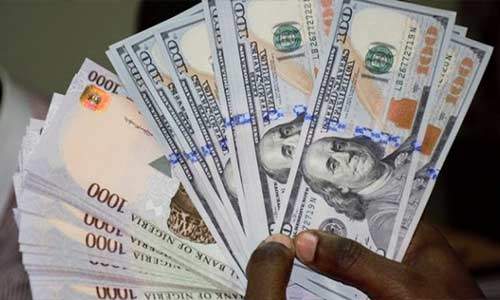
Nigeria’s foreign exchange reserves stood at $55.07 billion as of October 9, 2026, after the Central Bank of Nigeria (CBN) corrected an earlier figure that overstated the country’s reserves at $58.81 billion.
The correction followed a website glitch that caused the apex bank’s published data to display an inaccurate reserve balance. The revised figure indicates that Nigeria’s external reserves have continued to grow gradually, although the previously reported $58.81 billion level was incorrect.
The development comes as the CBN works to sustain improvements in foreign exchange liquidity following years of currency volatility and pressure on the country’s external buffers.
Olayemi Cardoso, CBN governor, said in September that Nigeria’s gross external reserves had reached $55.25 billion as of September 18, enough to cover 11.3 months of imports of goods and services. He also linked the stronger reserve position to easing foreign exchange pressures.
The latest corrected figure is below that September level, although the import-cover ratio would need to be recalculated using updated trade and payment data.
Net reserves rise to $46 billion
Nigeria’s net foreign reserves have also increased to a reported $46 billion, up from $34.8 billion at the end of December 2025, according to figures previously disclosed by Cardoso.
Unlike gross reserves, net reserves account for certain foreign exchange liabilities, including obligations arising from swaps and forward contracts. The two measures therefore provide different perspectives on the country’s external financial position.
The growth in reserves could strengthen investor confidence and improve the CBN’s ability to respond to periods of increased demand for foreign currency.
Import-dependent manufacturers, retailers and other businesses could benefit if stronger external buffers translate into more predictable access to dollars for raw materials, machinery and other international payments.
However, rising reserves do not automatically guarantee exchange-rate stability or eliminate foreign currency shortages. The impact will depend on the consistency of foreign exchange inflows, import demand, external debt obligations and the CBN’s management of market liquidity.
CBN cuts benchmark interest rate
The reserve correction comes after the CBN reduced its benchmark Monetary Policy Rate by 350 basis points, from 26.5 percent to 23 percent, at its September 2026 meeting.
The adjustment formed part of the monetary authority’s response to changing economic conditions.
Sustaining reserve growth while improving access to foreign exchange for businesses remains an important test of Nigeria’s external position. The durability of recent gains will depend on the sources of foreign currency inflows and the country’s ability to meet its international payment obligations.
