The Independent National Electoral Commission (INEC) has established a specialised artificial intelligence (AI) unit to detect deepfakes and counter digital misinformation ahead of Nigeria’s 2027 general elections, raising expectations about election security alongside concerns over transparency and political neutrality.
The unit, created within INEC’s Information and Communication Technology Directorate, is expected to use real-time monitoring, deepfake detection tools and data analytics to identify manipulated political content and coordinated disinformation.
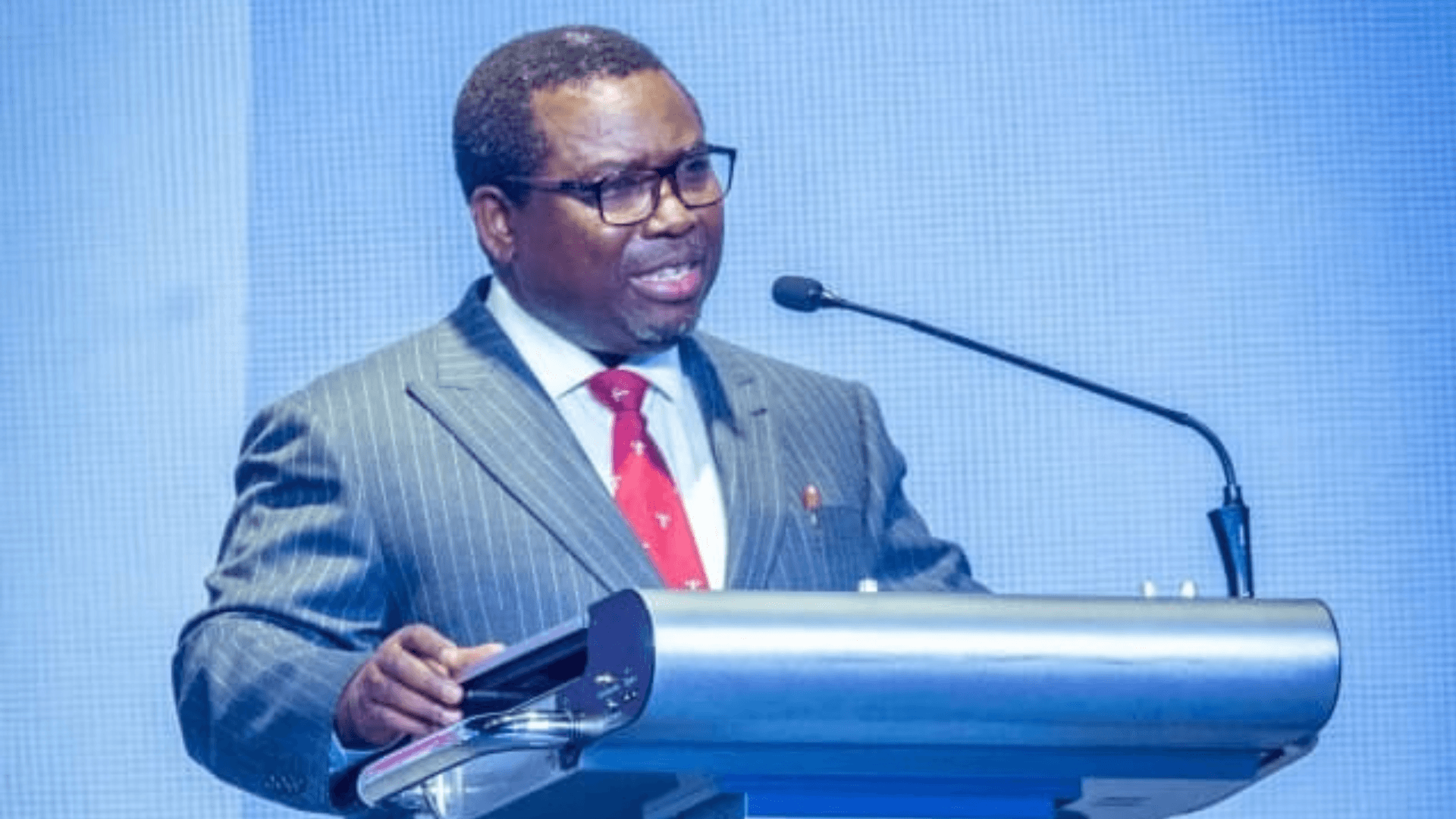
INEC Chairman Joash Amupitan announced the initiative at the Artificial Intelligence and Democracy Forum 2026 in Abuja, stressing that technology would support electoral processes rather than replace human judgment.
“Algorithms will not, and must never, decide the 2027 vote,” Amupitan said, maintaining that responsibility for electoral outcomes must remain with voters and institutions established by law.
Nigeria’s electoral system comprises more than 103 million registered voters and 176,846 polling units across 774 local government areas. The scale of the elections makes the timely identification of fabricated announcements, manipulated videos and false claims about voting arrangements particularly important.
However, the effectiveness of the AI unit will depend on INEC’s ability to verify suspicious content quickly, correct misinformation and demonstrate that its interventions are applied fairly to political parties and candidates.
Experts raise concerns over transparency
Yunusa Ya’u, executive director of the Centre for Information Technology and Development (CITAD), said the initiative’s effectiveness would depend on how well the technology responds to Nigeria’s digital environment, where misleading information spreads rapidly through social media platforms and messaging applications.
Aremu Adeniyi, executive director of the Civil Society Organisation for Conflict Resolution in Nigeria (CS-CRIN), also stressed the importance of protecting electoral credibility and reducing the risk of misinformation contributing to political tensions.
Experts warn that AI detection systems can misclassify content, particularly when dealing with edited footage, poor-quality recordings, unfamiliar accents and Nigeria’s numerous languages.
An incorrect classification could lead to legitimate political criticism being labelled misinformation. If voters believe the commission is protecting certain candidates or suppressing opposing views, the initiative could undermine the public confidence it is intended to strengthen.
Stakeholders have therefore called for clear verification procedures, independent scrutiny, privacy safeguards and mechanisms through which individuals can challenge disputed classifications.
They also emphasised that AI-generated alerts should prompt human investigation rather than automatically determine that content is false or justify punitive action.
How AI could affect the 2027 elections
The proposed unit could help INEC identify fabricated videos, cloned voices and false statements attributed to candidates or electoral officials. It could also support faster responses to misleading claims about polling locations, accreditation procedures, election postponements and alleged irregularities.
AI-assisted analysis may help journalists and fact-checkers investigate impersonation attempts and coordinated disinformation campaigns. The technology could also support electoral logistics and cybersecurity.
However, it cannot independently resolve operational problems such as inadequate personnel, delayed election materials, network failures or poor coordination.
The commission has urged political parties to adopt ethical standards for AI-generated campaign materials. It has also called on media organisations to strengthen digital verification and on security agencies and judicial institutions to improve their cybercrime investigation and digital forensics capabilities.
INEC has proposed an Electoral Information Integrity Coalition involving civil society organisations, media groups, telecommunications operators and fact-checking bodies. The proposed network would help identify emerging misinformation and coordinate public corrections.
Its effectiveness will depend on the independence of participating organisations, clearly defined responsibilities and procedures for resolving disagreements over disputed information.
Lessons from other African elections
Nigeria is not alone in confronting the influence of digital platforms on elections. Ghana, South Africa, Kenya and Senegal have used combinations of fact-checking, digital monitoring, media verification and civic education to address misleading political information.
In Ghana, civil society groups and fact-checkers monitored misinformation during the 2024 general election. Figures attributed to the Ghana Fact-Checking Coalition indicated that social media accounted for 85.3 percent of the false narratives it documented.
Experiences across the region highlight the importance of credible public communication and independent verification. However, they do not establish that digital monitoring alone can prevent electoral manipulation or guarantee public confidence in election results.
For Nigeria, the challenge extends beyond sophisticated deepfakes. Fabricated election notices, recycled photographs presented as current events, misleading footage and false quotations can spread widely without advanced technology.
The speed of circulation also matters. Even accurate corrections may have limited impact if they reach voters only after false claims have gained widespread attention.
Experts say electoral authorities must therefore ensure that verified information reaches affected communities quickly while protecting citizens’ rights to question public officials and express political opinions.
INEC expands digital preparations
The AI initiative forms part of broader preparations for the 2027 elections. Amupitan said the commission had procured additional Bimodal Voter Accreditation System (BVAS) units, introduced online voter registration and digitised candidate nominations through its Candidates Nomination Portal.
According to the chairman, the portal had processed more than 15,000 nominations across 22 political parties, while INEC had completed 10 of the 14 major operational milestones stipulated by the Electoral Act 2026.
The measures are intended to strengthen election administration, but the readiness of these systems does not by itself establish the effectiveness of the AI unit.
INEC is also working towards an AI governance framework intended to guide the technology’s use in electoral processes. Such a framework will be important in defining accountability, human oversight and procedures for auditing decisions influenced by automated systems.
With the 2027 general elections approaching, the commission faces the task of countering digital manipulation without creating new doubts about electoral fairness.
The outcome will depend not only on the technology’s ability to identify suspicious content but also on whether INEC can demonstrate that its decisions are transparent, independently scrutinised and consistently applied.
