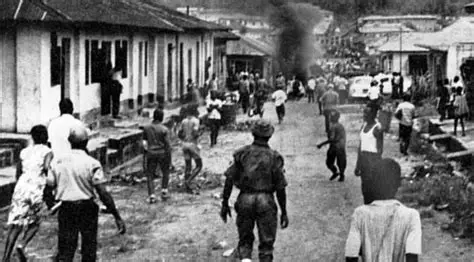
The Federal Government is expected to make a formal reconciliation declaration over the 1967 Asaba Massacre, as Nigeria marks 59 years since hundreds of civilians were killed during the Nigerian Civil War.
Delta State Governor Sheriff Oborevwori disclosed the plan on Wednesday at a memorial event in Asaba, where he stressed that official recognition of the tragedy was necessary to achieve lasting reconciliation.
Represented by the Secretary to the State Government, Kingsley Emu, the governor said Delta State had already acknowledged the massacre and expressed hope that the Federal Government would formally recognise the killings.
He added that the state would continue supporting efforts to establish a permanent national memorial centre to preserve the victims’ names, testimonies and historical records.
Asaba monarch demands presidential apology
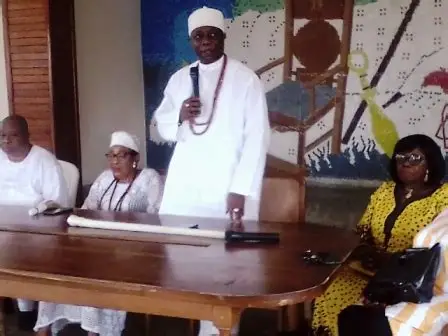
The Asagba of Asaba, Obi Epiphany Azinge, said the community could not achieve complete closure until a sitting Nigerian president publicly apologised for the killings.
The monarch made the demand during the 59th anniversary memorial, arguing that an apology from a former president or previous military leader was not enough.
Although former Head of State Yakubu Gowon had previously apologised, Azinge maintained that a public acknowledgement by the serving president would be an important step towards healing.
He also called for greater recognition of the victims and the events surrounding the massacre.
Obasanjo calls for forgiveness and reconciliation
Former President Olusegun Obasanjo urged Nigerians and the people of Asaba to embrace forgiveness while ensuring that the tragedy remained part of the country’s historical record.
Speaking through a recorded message, Obasanjo described the massacre as one of the most painful episodes of the civil war and called for measures to prevent similar atrocities.
Meanwhile, retired Major-General Ahmed Ibrahim Taiwo, son of the late Major Ibrahim Taiwo, offered a personal apology to the Asaba community after researching his father’s role in the historical events.
The gesture formed part of broader efforts to promote dialogue and reconciliation between the community and those connected to the tragedy. citeturn262765search3
Community leaders call for truth and justice
The Obi of Onitsha, Igwe Nnaemeka Achebe, said lasting reconciliation must be built on truth, justice and healing before forgiveness can follow.
Chief Chuks Nduka-Eze, convener of the Asaba Massacre Memorial, also urged stakeholders to sustain efforts towards establishing a permanent memorial centre ahead of the 60th anniversary in 2027.
The proposed centre is expected to preserve historical records and victims’ testimonies for future generations.
The Asaba Massacre occurred in October 1967 during the Nigerian Civil War, when federal troops killed large numbers of civilians. The event remains a significant part of the community’s historical memory and continues to generate calls for official acknowledgement.
The proposed Federal Government declaration could mark a further step towards addressing the tragedy, although community leaders say a formal presidential apology remains central to their demand for closure.
