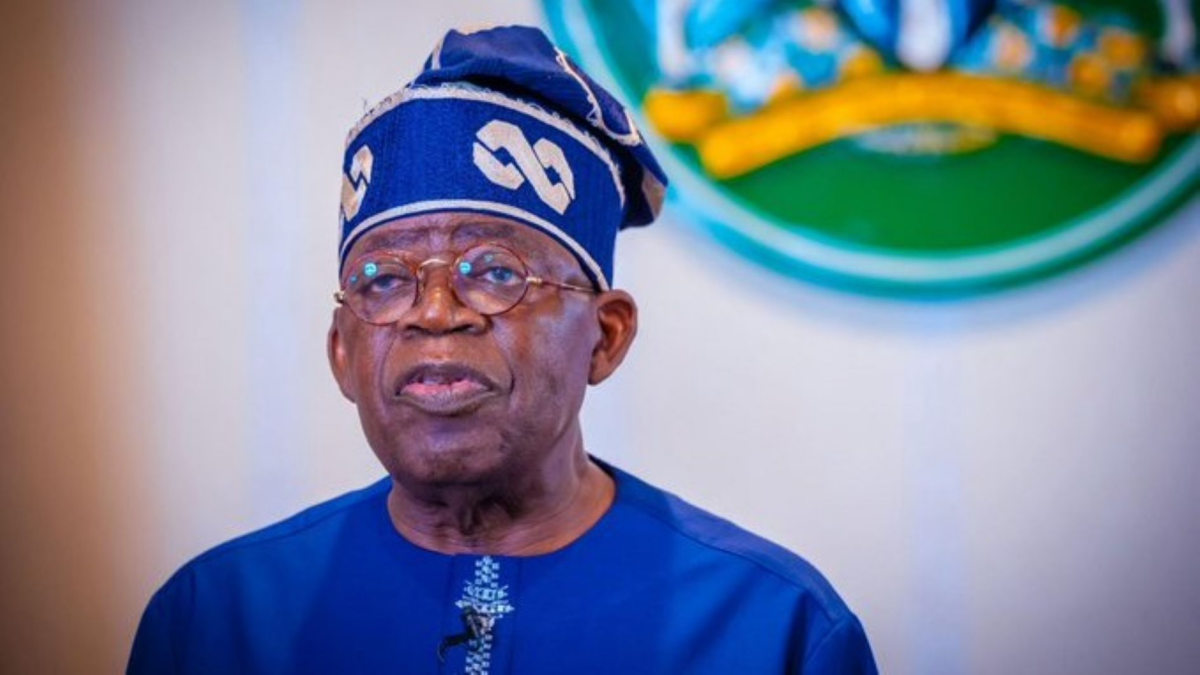
President Bola Tinubu’s administration is facing criticism from opposition parties following the introduction of a temporary petrol discount at Nigerian National Petroleum Company Limited (NNPC) retail stations.
The Federal Government announced the 30-day initiative as part of measures to cushion households and businesses against rising fuel prices and the impact of global crude oil market volatility.
Under the arrangement, NNPC Retail will forgo its profit margin on petrol and sell the product at cost, with commercial transport operators among the intended beneficiaries.
The government has also proposed a ceiling of N1,350 per litre on petrol’s landing or ex-gantry cost, although the arrangement is designed to manage price fluctuations rather than impose a permanent price cap.
Government rejects subsidy claims
Finance Minister and Coordinating Minister of the Economy, Taiwo Oyedele, said the measures were intended to provide temporary relief without restoring the blanket petrol subsidy removed in May 2023.
The proposed framework would allow refiners and importers to defer costs exceeding the agreed ceiling and recover them when market conditions improve. The ceiling would be reviewed monthly.
Other measures announced by the government include expanding compressed natural gas adoption, reducing transport-related levies, increasing cash transfers to vulnerable households and providing subsidised credit to small businesses and consumers.
The government said the interventions were necessary to reduce the effects of rising energy costs on transportation, food distribution and household spending.
Atiku criticises 30-day discount
Former Vice President Atiku Abubakar, the presidential candidate of the African Democratic Congress (ADC), described the initiative as a politically motivated measure that offers only temporary relief.
Atiku argued that Nigerians would continue to face high fuel prices and transport costs once the 30-day period expires. He also questioned the decision to restrict the discount to NNPC stations and asked how the government would ensure that transport operators pass any savings to passengers.
He maintained that the country needed a lasting solution to fuel affordability rather than a temporary intervention.
Atiku also argued that the announcement showed the government could intervene in the petrol market despite its earlier position on subsidy removal.
Other opposition groups reject the plan
The presidential campaign organisation associated with Oyo State Governor Seyi Makinde also criticised the initiative, describing the proposed discount as inadequate given the scale of the economic pressures facing Nigerians.
The Nigeria Democratic Congress similarly rejected the arrangement, arguing that a discount limited to NNPC stations could create queues and safety concerns if motorists rush to access cheaper fuel.
Opposition groups have questioned whether the intervention would provide meaningful relief beyond the initial month, while the government maintains that it is a temporary response to global fuel-price volatility rather than a return to the former subsidy system.
Debate over fuel-price relief continues
The announcement has renewed debate over how the government should respond to rising petrol prices while maintaining its market-based energy reforms.
Supporters of temporary relief see the initiative as a way to reduce immediate pressure on households and transport operators. Critics, however, argue that its limited duration and availability at selected stations could restrict its impact.
The effectiveness of the plan will depend partly on how much consumers save, whether transport fares fall and what happens to petrol prices after the 30-day period.
