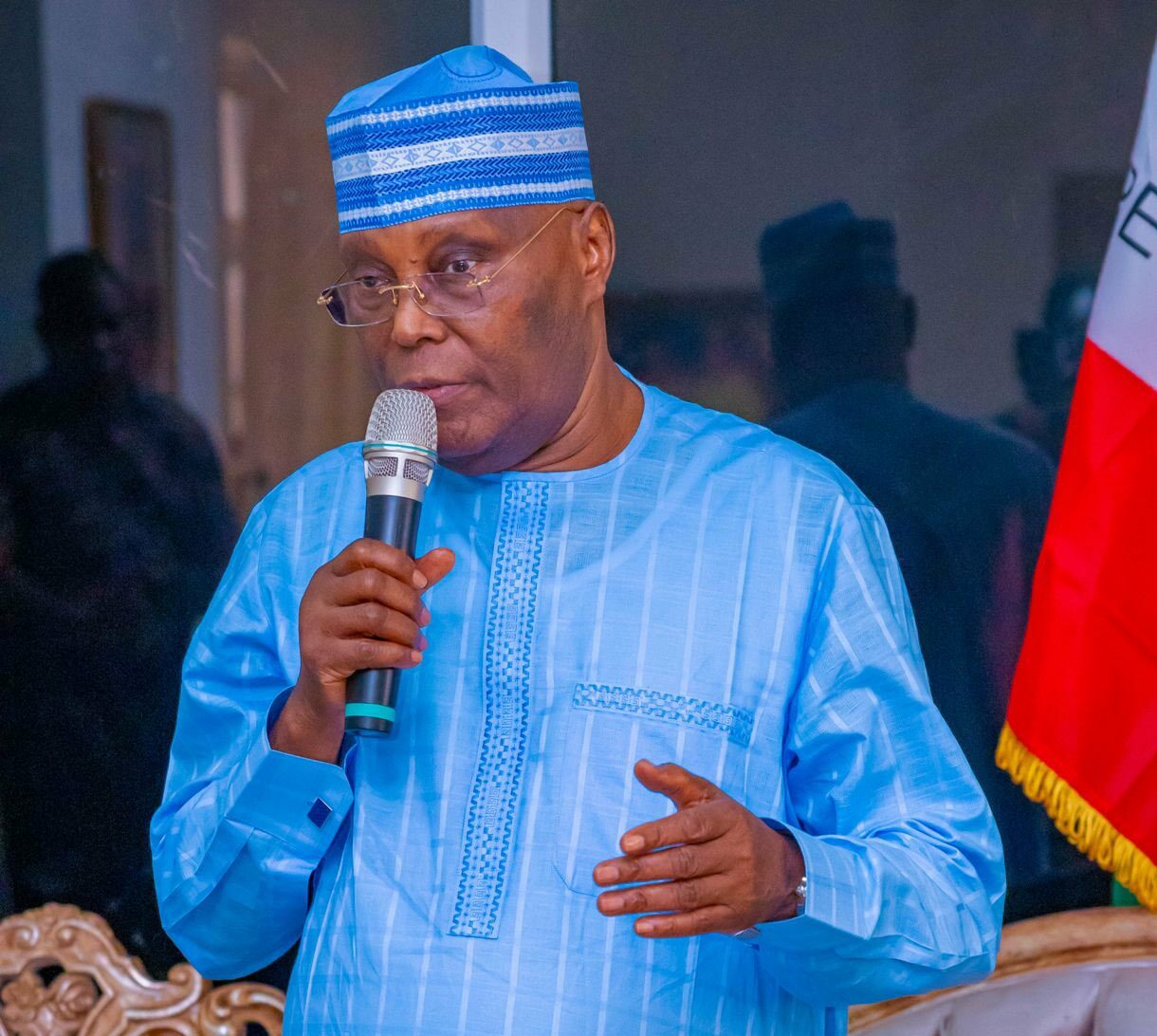
Former Vice President Atiku Abubakar has expressed concern over reports that some young Nigerians are allegedly resorting to selling their kidneys to cope with the country’s rising cost of living.
Atiku, who is the presidential candidate of the Africa Democratic Congress, raised the concern in a post on X on Thursday, where he said he had heard “disturbing stories” about young people allegedly selling body organs to raise money.
“I have heard disturbing stories about the extent to which young Nigerians are being driven simply to survive. Perhaps the most horrifying are the growing reports of young people selling parts of their bodies: kidneys in particular, in desperate attempts to raise money,” Atiku wrote.
He argued that young Nigerians should be pursuing opportunities and building their futures rather than considering the sale of their organs as a means of survival.
According to him, young people should be “selling dreams, ideas and innovation, not their body organs,” adding that the reported trend should “offend the conscience of every Nigerian.”
Atiku Links Organ Sales to Economic Hardship
Atiku claimed that some young Nigerians were reportedly being offered as little as ₦1.7 million for their kidneys, although he did not link the figure to a specific report or government agency.
The figure could not be independently verified as of the time of the report.
The former Vice President attributed the alleged development to worsening economic conditions under the administration of President Bola Tinubu.
He pointed to rising costs of food, transportation, rent, school fees, healthcare and electricity as some of the pressures making daily life increasingly difficult for many Nigerians.
He said, “In Tinubu’s Nigeria, almost everything required to live with dignity is becoming more expensive by the day: food, transport, rent, school fees, medicine and electricity.
“Yet young Nigerians are reportedly being driven to sell their kidneys for as little as ₦1.7 million.
“That should break the heart of a nation.
“Young Nigerians should be building careers, starting businesses, raising families and pursuing their dreams, not calculating how much parts of their bodies can fetch simply to stay alive.
“When young Nigerians begin to see their kidneys as emergency savings, we are no longer talking about ordinary economic hardship. We are talking about desperation at its most frightening.”
Atiku Calls for People-Centred Economic Reforms
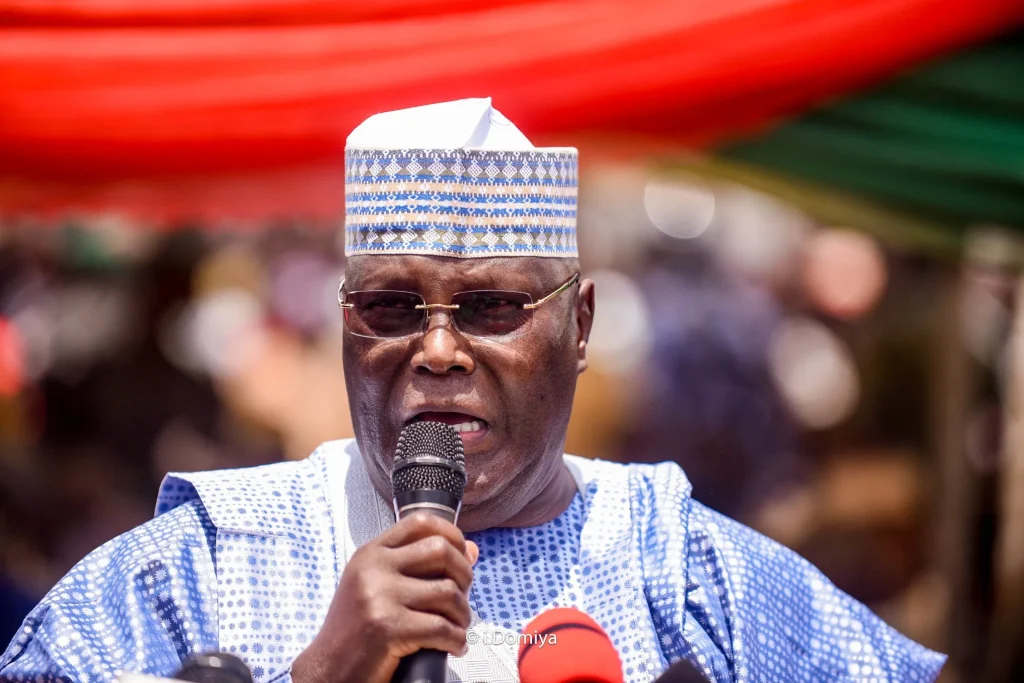
Atiku acknowledged that Nigeria has laws prohibiting the commercial sale of human organs and organ trafficking.
However, he argued that legislation alone would not address the economic vulnerability that could expose desperate young people to criminal networks.
He called for economic policies with “a human face,” including measures to make food and transportation more affordable, improve access to healthcare, create decent employment opportunities and restore hope among young Nigerians.
The former Vice President concluded his statement with a direct criticism of the Tinubu administration.
“Tinubu made Nigeria expensive. I will make Nigeria affordable again.”
Police Probe Alleged Organ Trafficking Network
Atiku’s comments come amid recent reports and unverified claims concerning alleged organ trafficking in parts of Nigeria.
The Nigeria Police Force recently paraded four suspects, including two nephrologists, over an alleged organ-trafficking operation.
According to the police, one of the suspects, Emmanuel Ode, allegedly admitted to recruiting victims. Investigators also said he disclosed that a 22-year-old man was allegedly lured to a hospital in Abuja in April, where his kidney was reportedly harvested for $1,250, said to be about ₦1.7 million.
Police investigators said the alleged syndicate targeted vulnerable young people facing financial difficulties in Nasarawa and surrounding areas.
The allegations have renewed concerns about the vulnerability of economically disadvantaged Nigerians to organ trafficking and the need for stronger measures to protect potential victims.
