By Radarr Africa Business Desk
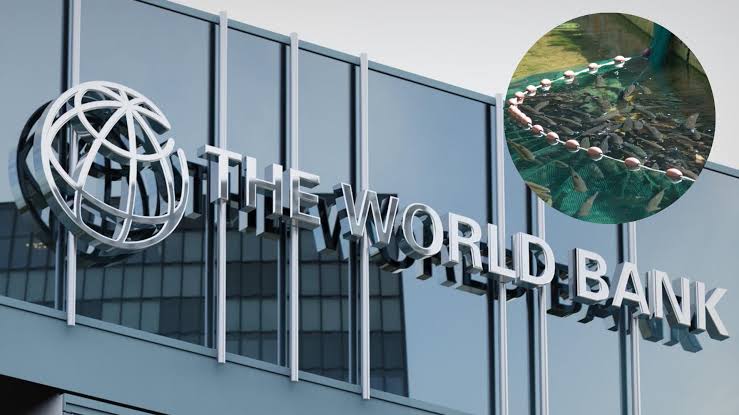
LAGOS, November 9 (Radarr Africa) – The World Bank Group has committed $200 million in loans to Nigeria to boost domestic fish production and cut an annual import bill of nearly $1 billion, the Federal Ministry of Marine and Blue Economy said.
Minister Adegboyega Oyetola announced the deal through his senior special assistant, Busayo Fakinlede, at an Aquaculture Investment Guide training in Abuja organised by the ministry and the World Bank Group. Oyetola’s office described it as a “$200 million commitment from the World Bank Group.”
The funds are expected to reach state governments for fisheries and aquaculture projects through public-private partnerships. The ministry has pursued the deal since June 2026, when it said a breakthrough was near.

Nigeria’s annual fish demand is about 3.6 million tonnes, against domestic production of 1.4 million tonnes. The shortfall of more than 2.2 million tonnes is largely met through imports.
Oyetola said the ambition is to “produce more, import less” and, in time, become a net exporter. He plans to set up a federal-state platform to coordinate production commitments, investment and the national fish security strategy, and a stakeholders’ roundtable after the training to engage state governments and investors.
Commissioners and technical officials from Rivers, Bayelsa, Delta and Cross River states attended, along with permanent secretaries and fisheries directors from across the federation.
The ministry set up a Technical Committee on Accelerating Fish Production in August 2026 with an eight-week deadline to draft a production plan. Fakinlede said the ministry has digitised fish import licensing, and that Nigeria has secured certification to export shrimp to the United States by meeting Turtle Excluder Device requirements.
The ministry is also developing investment portfolios for Fish City and Fish Terminal projects.
Concessional loans of the kind the World Bank Group typically provides carry lower interest rates and longer repayment terms than commercial borrowing, which makes them attractive for projects with long payback periods such as aquaculture.
