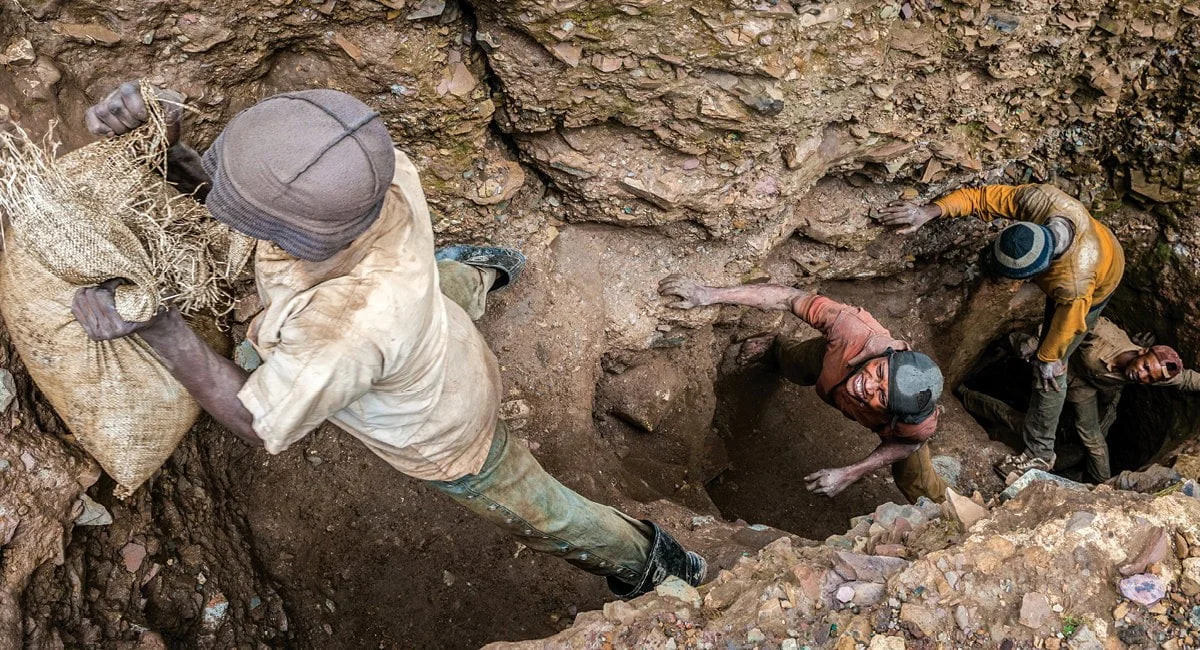
The Democratic Republic of Congo is strengthening government control over geological data used in mining exploration as it seeks to gain greater influence over the development of its vast mineral resources.
Under a $180 million contract with Spanish firm Xcalibur, the Congolese government is conducting a comprehensive mapping of the country and digitising historical geological records to create a central national database of critical mineral resources.
Authorities plan to regulate access to the information through a tiered, fee-based system, arguing that geological data should be treated as strategic national infrastructure.
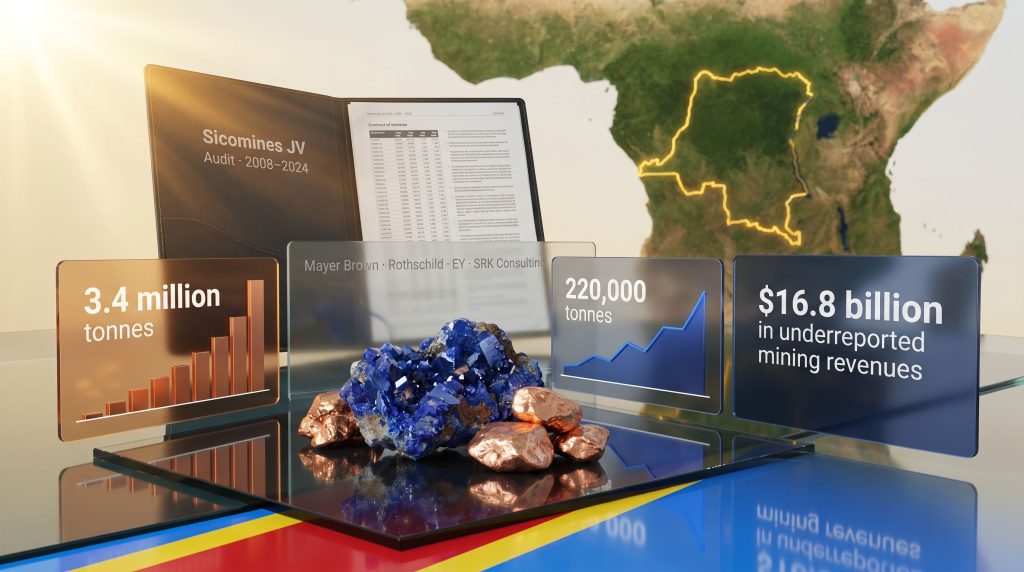
The policy could strengthen Kinshasa’s negotiating position with mining companies while also helping attract new investment by giving explorers better information and reducing the risks and costs associated with mineral exploration.
The DRC is one of the world’s leading producers of cobalt and copper and also possesses significant deposits of lithium and tantalum.
The move comes at a time when global competition for critical minerals is intensifying, particularly between the United States and China, both of which are seeking secure access to resources needed for industries ranging from electric vehicles to advanced technology.
By gaining greater control over its geological information, the government hopes to play a more influential role in determining how the country’s mineral resources are explored and developed.
However, the strategy also presents a challenge for authorities, who will need to balance tighter state control with transparency and sufficient access for investors.
Ultimately, the success of the policy will depend on whether stronger government oversight can attract responsible investment while ensuring that the DRC’s enormous mineral wealth generates wider economic benefits for its people.
