By Radarr Africa Business Desk
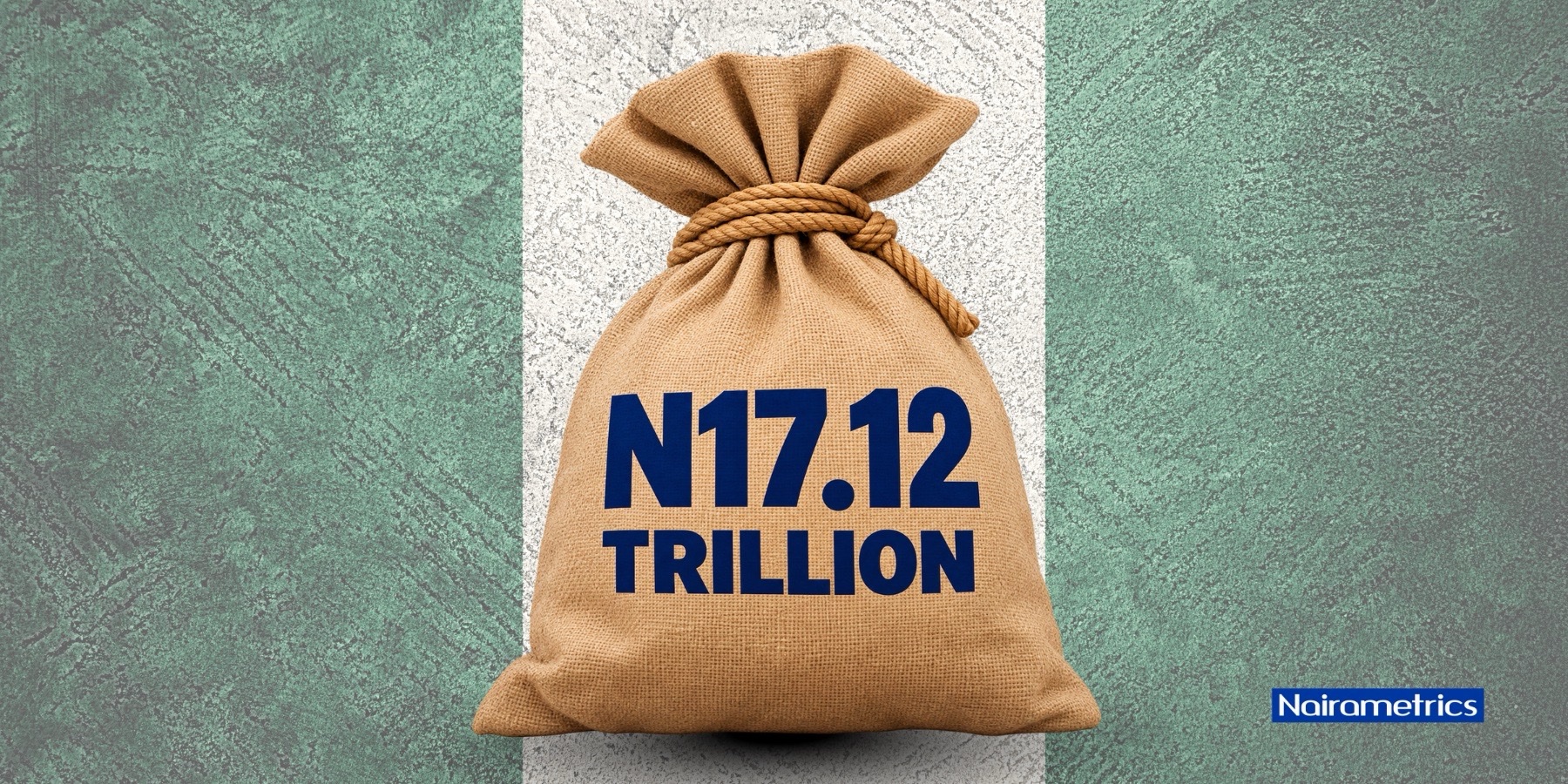
ABUJA, November 14 (Radarr Africa) – The Federal Government, 36 states and local government councils shared N17.12 trillion from the Federation Account in the first eight months of 2026, according to monthly Federation Account Allocation Committee (FAAC) reports released by the Office of the Accountant-General of the Federation.
The Federal Government received N6.53 trillion, or 38.2% of the total. State governments took N6.21 trillion (36.2%) and local government councils N4.38 trillion (25.6%). The disbursements for January to August covered revenue generated from December 2025 to July 2026.
August was the strongest month at N2.76 trillion. The Federal Government received N1.15 trillion, states N943.35 billion and councils N673.65 billion. July followed at N2.60 trillion, made up of N1.06 trillion for the Federal Government, N905.01 billion for states and N642.89 billion for councils.
March was the weakest month at N1.78 trillion. The Federal Government received N675.09 billion, states N651.53 billion and councils N456.47 billion.
Monthly distributions rose from May. The combined total was N2.10 trillion in May and N2.11 trillion in June before climbing to N2.60 trillion in July and N2.76 trillion in August. The Federal Government’s monthly receipts passed N1 trillion for the first time in July and rose further in August.
Analysis of state-level FAAC data for the second quarter showed all 36 states received N2.39 trillion between April and June, up N259.41 billion, or 12.2%, from N2.13 trillion in the first quarter. The second-quarter figures included a N200 billion augmentation in April from non-oil revenue.
Delta became the largest recipient among the states in the second quarter. Its receipts rose 31.1% to N188.01 billion from N143.42 billion, with N53.77 billion in April, N67.81 billion in May and N66.44 billion in June.
Rivers followed with N172.03 billion, up 38.8% from N123.96 billion. Lagos received N165.57 billion, down 17.3% from N200.21 billion, making it the only state whose total fell between the two quarters. Akwa Ibom received N160.51 billion, up 46.2%, and Bayelsa N152.25 billion, up 33.0%.
Together, the top five states took about 35.0% of the quarter’s total, N838.37 billion, compared with about 32.4%, or N691.82 billion, in the first quarter.
Lagos’s first-quarter figure had been lifted by value added tax receipts of about N193.50 billion, including N101.34 billion in February. Its second-quarter net VAT fell by about N42.94 billion, or 22.2%, to N150.56 billion. Even so, Lagos led VAT allocations in the quarter, ahead of Rivers (N75.81 billion), Oyo (N44.29 billion), Kano (N34.17 billion) and Delta (N29.61 billion).
Kano’s total rose 3.3% to N77.53 billion and Oyo’s 1.7% to N70.12 billion. Ekiti’s receipts more than doubled, up 129.2% to N39.24 billion from N17.12 billion, after negative statutory allocations in January and February depressed its first quarter.
The size of the pool depends heavily on oil. Central Bank of Nigeria data show Nigeria earned $31.54 billion from crude oil exports in 2025, a 14.41% decline from $36.85 billion in 2024. Budget Office of the Federation data showed gross oil revenue of N4.87 trillion in the third quarter of 2025, N7.88 trillion below the prorated quarterly target of N12.76 trillion.
The Budget Office report said crude oil and gas sales brought in N622.99 billion against a projection of N1.18 trillion, and petroleum profit and gas taxes N1.97 trillion against N7.85 trillion. Royalties came to N2.01 trillion against N3.43 trillion. The 2025 budget assumed output of 2.1 million barrels per day, while Nigerian Upstream Petroleum Regulatory Commission data showed an average of 1.66 million barrels per day from January to September 2025.
Nigeria Revenue Service Executive Chairman Zacch Adedeji said in April that fuel subsidies would have cost about N52 trillion in 2026, equal to 76% of the N68 trillion budget, had the policy continued. He also said external reserves had grown to about $34 billion.
