
By Radarr Africa Business Desk
ABUJA, November 13 (Radarr Africa) – The Federal Government has signed a 30-year concession agreement for the Port Harcourt International Airport, handing the Rivers State gateway to a private operator in the latest step in its programme to bring private capital into Nigeria’s airports.
Minister of Aviation and Aerospace Development Festus Keyamo said the agreement was signed in Abuja on Thursday. The concessionaire is Port Harcourt Airport Company Ltd. Keyamo said President Bola Tinubu and the Federal Executive Council (FEC) had approved the decision.
Keyamo said the reasoning behind concessioning is that the government earns profits from its major airports and gateways and uses them to keep other airports going. “Some of our airports are being run at a loss,” he said. Running an airport brings heavy recurring costs, including staff salaries, electricity and diesel for generators, he said, and the government lacks the funds to fully develop the commercial and non-aeronautical parts of some airports, which could earn money beyond passenger and aircraft operations.
The minister said private participation would unlock that commercial potential and improve efficiency. He said “so much can be achieved in developing the non-aeronautical parts of these airports.”
Keyamo said earlier administrations had tried to put similar arrangements in place but met resistance from aviation unions, which led to long legal disputes. He said the Tinubu administration engaged the unions to address workers’ concerns and protect their welfare during the process.
Eyo Asuquo, Group Executive of R28 Holdings, spoke for the concessionaire at the signing. He told existing workers that the concession would create more jobs, not cut them, and promised major infrastructure investment to bring the airport up to international standards comparable with airports in Europe and the United States.
The Port Harcourt agreement follows the concession of the Akanu Ibiam International Airport in Enugu. Keyamo said the ministry has received concession proposals for the airports in Benin and Yola, which he cited as a sign of wider private-sector interest in aviation infrastructure.
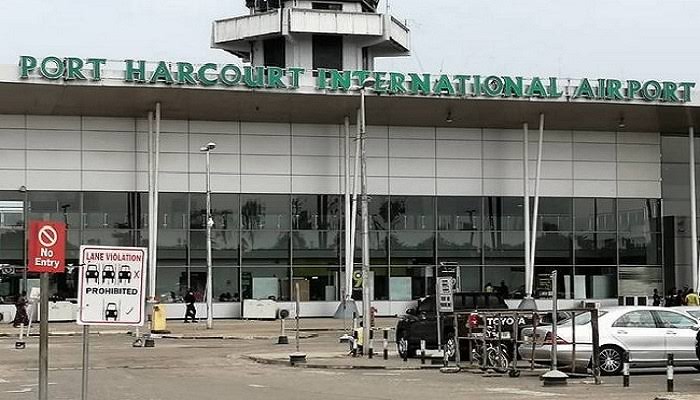
The deal came after the FEC approved the business case for concessioning the Port Harcourt airport. After that FEC meeting, which Tinubu chaired, Keyamo told journalists in Abuja that more than six companies had been pursuing the airport. He presented this as a change from earlier investor reluctance, saying interest had grown after the current administration took office.
At the same meeting, the council approved eight aviation-related memos from the ministry. They included a permanent headquarters in Abuja for the Nigerian Airspace Management Agency (NAMA), which Keyamo said currently rents private buildings that he called unsafe for command and control operations. The council also approved maintenance and support contracts for airport management solutions at five international airports: Abuja, Lagos, Kano, Port Harcourt and Enugu.
Other approvals covered advanced tertiary power systems for airports, navigational aids and 14 VHF remote stations managed by NAMA, as well as 15 airport rescue and firefighting vehicles for the five international airports, in line with International Civil Aviation Organisation standards. The council also barred the sale of Federal Airports Authority of Nigeria (FAAN) properties within and around airports to private individuals under the old presidential committee on government properties, and approved a full business case for concessioning biometric verification at airports. Keyamo said passengers’ National Identity Numbers will be linked to boarding verification for local and international flights.
The council also approved airfield lighting at several airports to allow night operations and extend operating hours for domestic airlines.
