The Federal Government has introduced the National Environmental (Plastic Waste Control) Regulations 2026, requiring manufacturers, importers, brand owners, recyclers and other players in the plastics industry to take responsibility for waste generated by their products.
The new regulations were unveiled in Abuja by the Minister of Environment, Balarabe Abbas Lawal, who said the initiative was aimed at reducing plastic pollution, safeguarding human health and the environment, and supporting the development of a circular economy.
Lawal, who was represented at the event by the ministry’s Permanent Secretary, Salihu Aminu Usman, clarified that the regulations were not designed to eliminate the use of plastic.
He noted that plastic remained an important material across several sectors, including healthcare, food preservation, manufacturing, agriculture and transportation.
According to the minister, Nigeria needs a framework that is science-based, inclusive and enforceable, while ensuring environmental protection does not come at the expense of economic activities or place excessive pressure on vulnerable consumers.
New Rules Expand Producer Responsibility
Lawal said the 2026 regulations build on existing government initiatives aimed at improving plastic waste management.
These include the National Policy on Plastic Waste Management, Extended Producer Responsibility (EPR) Guidelines and the Single-Use Plastics Guidelines.
Under the new framework, manufacturers, importers and other businesses that introduce plastic products into the Nigerian market will be responsible for managing those products after they reach the end of their useful life.
The regulations cover the entire plastics value chain and establish requirements for plastic packaging, as well as the incorporation and use of recycled materials.
The Federal Government said the approach is expected to encourage businesses to consider the environmental impact of their products throughout their lifecycle, from production and distribution to disposal and recycling.
FG Sees Plastic Waste as Economic Opportunity

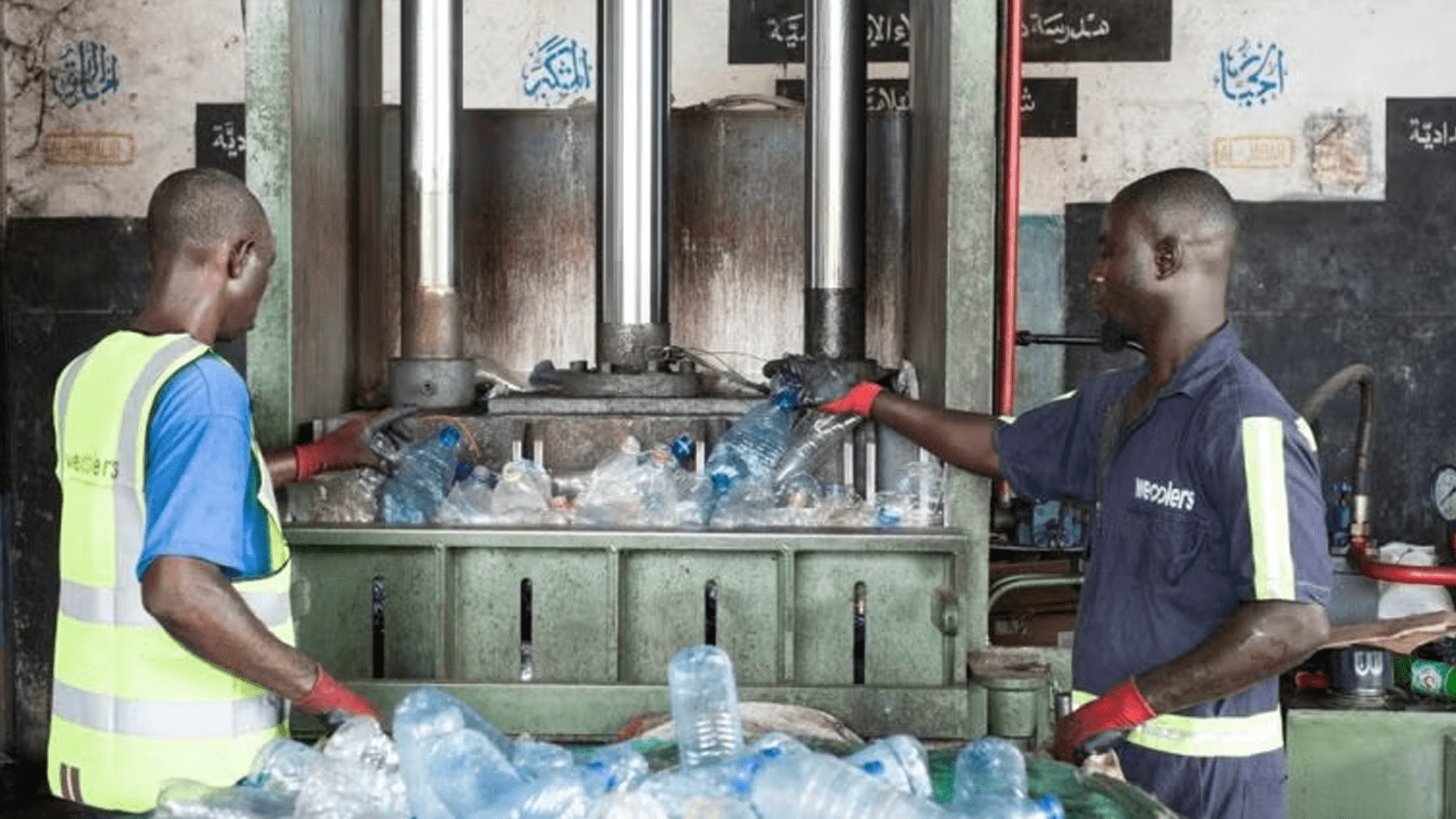
Lawal also described plastic waste as more than an environmental challenge, noting that it could serve as an economic resource capable of generating employment and attracting investment.
According to him, greater investment in recycling, material recovery and circular markets could create new opportunities while reducing the volume of plastic waste entering the environment.
The minister, however, warned that companies and individuals that fail to comply with the new regulations would face sanctions.
Penalties could include financial fines, imprisonment and, where applicable, personal liability for officers responsible for regulatory breaches.
The Federal Government said the regulations are expected to strengthen Nigeria’s efforts to tackle plastic pollution while encouraging a more sustainable plastics industry and promoting responsible production and consumption.
