Gabon has raised $580 million from international investors through an eight-year Eurobond, with demand approaching $1 billion, as the Central African oil producer seeks to meet financing needs and manage mounting pressure on public finances.
The bond, issued on Wednesday, October 14, carries a coupon of 9.375 per cent, while investor orders nearly doubled the amount the government raised, according to Gabon’s Finance Ministry.
The ministry said the bond’s risk premium was about 50 basis points lower than that of the country’s previous issuance in July, despite the longer maturity and rising United States interest rates. The lower premium indicates that investors demanded a smaller additional return for holding Gabonese debt compared with the previous sale.
The transaction marks Gabon’s first Eurobond issued through a public offering since 2021, restoring its access to international capital markets through a broader public sale.
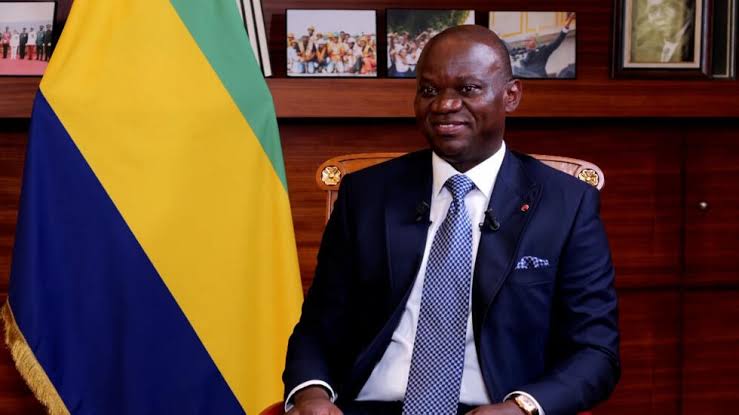
Finance Minister Thierry Minko led the transaction and is representing Gabon at the International Monetary Fund (IMF) and World Bank annual meetings in Bangkok this week. His schedule includes bilateral discussions with financial institutions and investors.
Borrowing costs remain high
Although investor demand was strong, the 9.375 per cent coupon highlights the high cost of borrowing on international markets. The government will also remain responsible for interest payments throughout the bond’s life, with the principal due in 2034.
At the stated coupon, the $580 million bond would generate approximately $54.4 million in annual interest payments, assuming the full principal remains outstanding and the coupon is paid for a complete year.
The lower risk premium compared with July suggests improved pricing relative to the earlier issuance. However, the coupon itself remains substantial, reflecting the cost Gabon faces when raising funds from international investors.
The new borrowing provides additional financing, but its longer maturity means the government must manage interest costs over an extended period while ensuring it can meet future repayment obligations.
Fiscal pressures remain a challenge
Gabon’s latest Eurobond comes as the government faces pressure to finance public spending and manage its debt position.
The country revised its 2026 budget in July, cutting projected revenue by 22 per cent to 3.24 trillion CFA francs and increasing its annual financing requirement to 915.6 billion CFA francs, according to previously reported budget figures.
The government also authorised up to $1.5 billion in international borrowing for 2026. The latest transaction adds to its external financing commitments as it seeks to address its fiscal needs.
Gabon formally requested support from the IMF in March, and discussions over a potential programme have been under preparation. An IMF staff team visited Libreville in September for technical discussions concerning a public debt audit and proposed fiscal policies for 2027.
The outcome of these discussions could influence the country’s future financing options and its ability to strengthen public finances.
Investor demand offers mixed signals
The near-$1 billion order book demonstrates that international investors were willing to commit funds to Gabon’s latest offering. The government has presented the lower risk premium as evidence of improved financing conditions and its efforts to broaden its international investor base.
However, strong demand for a bond does not necessarily mean a country’s debt risks have disappeared. Investors may continue to demand high interest rates when lending to governments facing fiscal uncertainty.
For Gabon, the challenge will be to use the funds effectively while improving revenue collection, managing expenditure and ensuring that future debt obligations remain sustainable.
The latest sale gives the government renewed access to international capital markets, but the long-term benefits will depend on whether it can translate that financing into stronger public finances and a more manageable debt profile.
