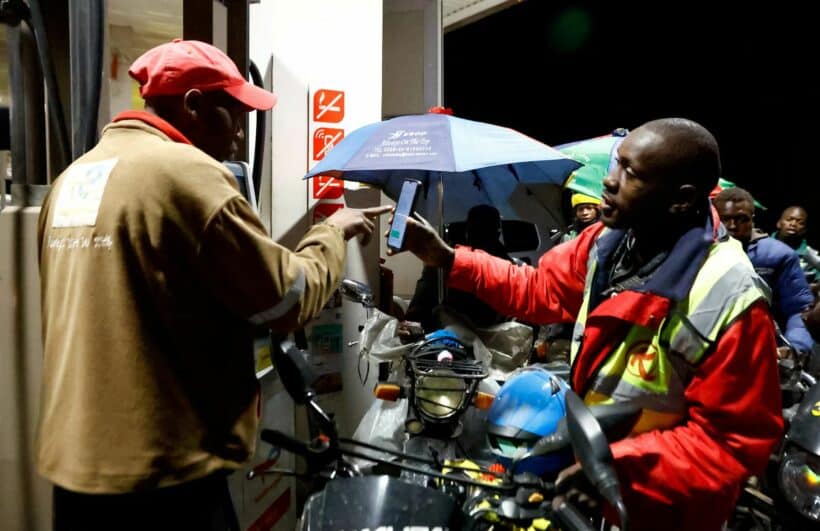
Kenyan motorists are paying more at the pump after the Energy and Petroleum Regulatory Authority (EPRA) raised the price of super petrol by KSh12.93 to KSh226.96 a litre in Nairobi, ending a month in which prices had been held steady.
The new prices, which took effect at midnight on 15 October and run until 14 November, also lift diesel by KSh9.90 to KSh227.76 and kerosene by KSh28.49 to KSh219.87, Citizen Digital reported.
What happened
EPRA linked the rise to higher international costs. The average landed cost of imported super petrol rose 11.81% between August and September, from $874.26 to $977.55 per cubic metre. Diesel landed costs rose 11.32% and kerosene 9.41% over the same period.
In percentage terms, petrol is up about 6% at the pump, diesel about 4.5% and kerosene nearly 15%. In Mombasa, which is closer to the port, petrol now sells for KSh223.81, diesel for KSh224.61 and kerosene for KSh216.71.
Kenya relies on the Middle East for almost all of its fuel imports, and the conflict in the region has pushed up costs, Reuters noted. The government has extended a cut in value added tax on fuel, from 16% to 8%, until 14 January, which has prevented an even steeper rise.
The shilling has also weakened slightly. The dollar averaged KSh129.91 in September, up from KSh129.72 in August, adding a small amount to import costs.
Why it matters
Fuel prices ripple through the Kenyan economy, affecting transport fares, the cost of moving goods, electricity generation and food prices. The sharp rise in kerosene, widely used for cooking and lighting in lower-income households, will be felt most by the poorest families.
The increase also arrives as inflation edges higher. Consumer price inflation rose to 6.8% in September from 6.6% in August, according to data cited by analysts, still within the Central Bank of Kenya’s target range of 2.5% to 7.5% but closer to its upper end. Higher pump prices could push the rate further up in October and November.
That will complicate decisions for the central bank, which held its benchmark rate at 8.75% on 7 October for a fourth consecutive meeting. Radarr has reported on how East African central banks are holding rates as inflation risks persist. Neighbouring Uganda has already gone further, with an emergency rate hike this week.
Kenya is not alone in facing fuel pressure. Across the continent, importing countries are grappling with the same shock, as Radarr noted when South Africa’s fuel prices jumped on higher energy costs.
What to watch
The next price review is due on 14 November. Its direction will depend largely on global crude prices and on the shilling, which currency traders expect to soften as oil marketers and importers step up their demand for dollars.
The VAT relief is another key factor. If the reduced 8% rate is allowed to lapse in January without a replacement, pump prices could rise sharply again, adding to pressure on households and businesses at the start of the new year.
