Energy costs in Nigeria rose at their fastest pace in months in September, with energy inflation jumping to 10.85% year on year from 4.69% in August, according to an analysis of National Bureau of Statistics (NBS) data. The 6.16 percentage point jump came in the same month that overall inflation slowed to 14.63% from 15.39%.
The figures, analysed by Nairametrics, show a widening gap between the broad price trend, which has been easing, and the cost of fuel and power, which has turned sharply higher.
What happened
On a monthly basis, energy prices rose 5.38% in September, a sharp reversal from a 0.36% decline in August. That swing explains much of the annual jump. It also makes September one of the three highest readings for energy inflation so far in 2026, behind only January and February, when the rate stood at 11.17% and 12.90% respectively.
The index has moved erratically this year. It fell as low as 4.40% in July before climbing again. The latest rise mirrors the surge in pump prices since the conflict involving Iran, Israel and the United States disrupted global oil supplies and pushed up crude prices.
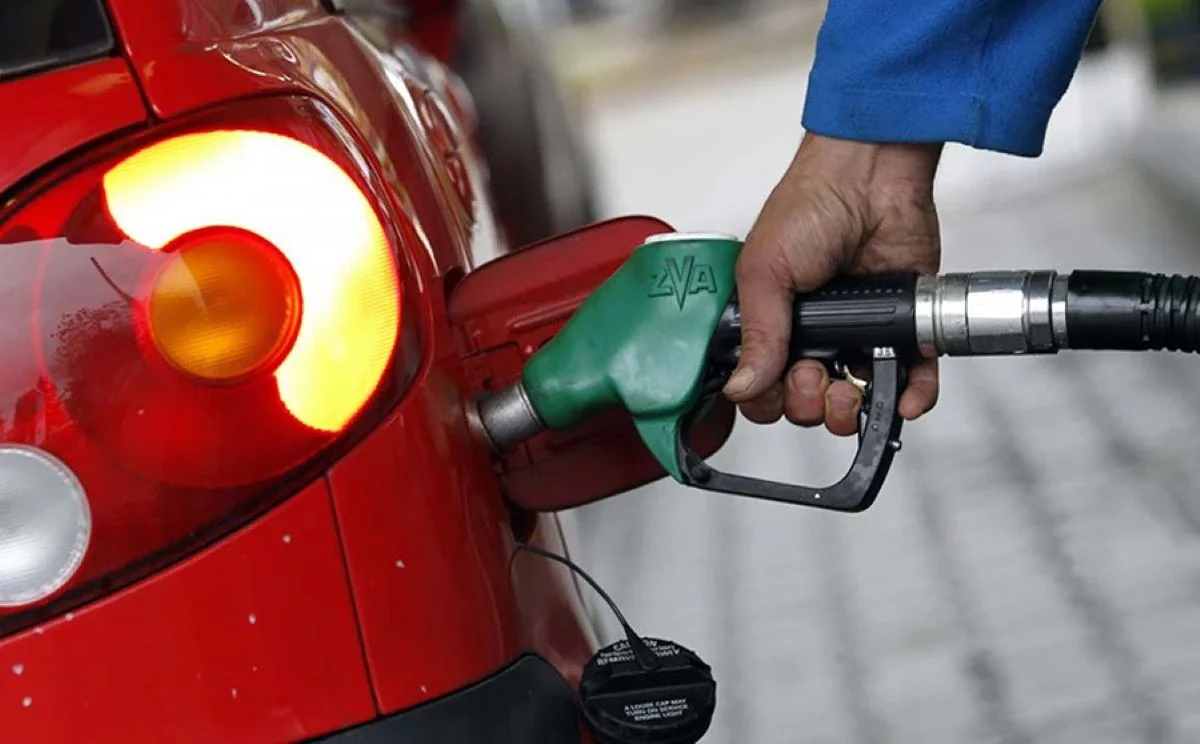
Before that conflict, petrol sold for roughly ₦830 a litre. By September, many stations in Lagos were charging between ₦1,400 and ₦1,430, while outlets in Abuja were selling at ₦1,400 to ₦1,450. That is an increase of around 70% in a matter of months.
Why it matters
Energy feeds into almost every other price in the economy. Higher petrol and diesel costs raise transport fares, push up the cost of moving food from farms to markets and increase operating costs for manufacturers and small businesses that rely on generators.
The September data suggests the overall slowdown in inflation is being driven by other parts of the basket, such as food, rather than by any relief on fuel. Radarr reported this week that headline inflation fell to 14.63% as food prices declined, but the energy figures show a pressure point that could slow further progress.
Surveys by the Central Bank of Nigeria have already flagged energy as a major concern. In a July poll, businesses and households ranked energy expenses, including petrol, diesel and electricity, as the leading factor shaping their views on inflation. Firms gave the factor a score of 74.1, while households gave it 61.9.
For the central bank, which has been cutting interest rates as inflation eases, a renewed rise in energy costs complicates the outlook. If high fuel prices start to push up core prices through transport and production costs, policymakers may become more cautious about further cuts.
What to watch
The government has responded with a temporary petrol discount at NNPC retail stations, which it says is funded from NNPC Retail’s margins rather than the federal budget. Independent marketers under IPMAN want the scheme extended to 60 days and opened to their outlets, arguing that the current design leaves them out. Radarr has looked at whether the 30-day discount can deliver lasting relief.
The next big signal will be the October inflation report. If global crude prices stay high and the discount ends without a replacement, energy inflation could rise further. A sustained easing in oil prices, on the other hand, would give households and businesses some breathing room and support the wider disinflation trend.
