
The Nigeria Labour Congress (NLC) has raised concerns over rising fuel prices, arguing that the Federal Government is benefiting significantly from elevated global crude oil prices while consumers continue to bear the burden of higher energy costs.
According to the labour union, Nigeria is currently earning about $40 per barrel above its oil benchmark of $75, creating additional revenue for government coffers. The NLC questioned why the gains from stronger oil prices have not translated into relief measures for citizens facing increasing transport, food, and living expenses.
The union expressed concern that recent increases in petrol prices are placing further pressure on households and businesses already struggling with inflation and the rising cost of living. Labour leaders noted that higher fuel costs often trigger price increases across multiple sectors of the economy.
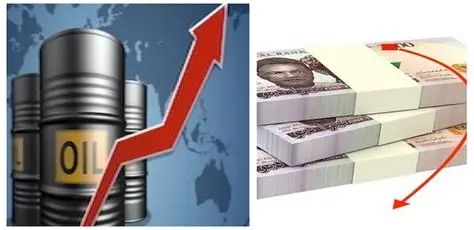
The NLC maintained that while higher crude oil prices can improve government revenue, policymakers should also consider measures to cushion the impact on ordinary Nigerians. The organisation argued that citizens should benefit from periods of strong oil earnings through targeted interventions and economic support programmes.
Recent developments in the global oil market have pushed crude prices above $100 per barrel amid supply concerns and geopolitical tensions, significantly higher than Nigeria’s budget benchmark.
The labour union’s comments come as discussions continue over fuel pricing, economic reforms, and the broader impact of global energy market movements on Nigeria’s economy. Analysts say sustained increases in crude oil prices could boost government revenues but may also contribute to higher inflation if fuel costs remain elevated.
Read also on Radarr: South Africa`s Minimum wage problem
