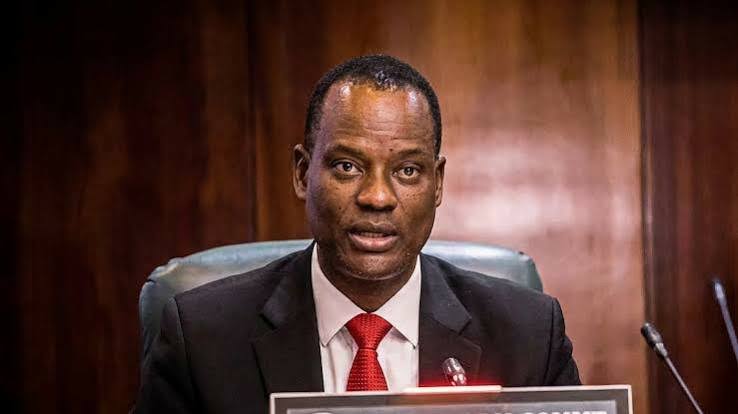
Nigeria’s Finance Minister Taiwo Oyedele has warned that a fuel subsidy return would trigger capital flight and could push the naira towards ₦4,000 to the dollar, according to Arise News.
What he said
Mr Oyedele, who is also Coordinating Minister of the Economy, spoke at a press briefing on the sidelines of the 2026 IMF and World Bank annual meetings in Bangkok, answering questions on how to balance investors’ expectations with the needs of Nigerians. He said local and foreign investors would react negatively if the government announced it was even considering restoring the subsidy, with the naira weakening sharply and fuel becoming more expensive.
He named naira levels of ₦3,000, ₦3,500 and ₦4,000 per dollar as possible outcomes, and said that in that scenario even petrol at ₦1,400 a litre would look like a bargain. He added that Nigerians themselves, from the wealthy to the middle class, would shift savings from naira into dollars, as they did in the past. In his words, the combination of capital leaving and Nigerians moving against the naira is the recipe for a storm, and the average Nigerian would suffer most.
He pointed to Indonesia as a warning. The Jakarta Composite Index fell 11.6% on Friday after index provider MSCI raised concerns about market accessibility and threatened to reclassify the country as a standalone market. Mr Oyedele said a similar reaction in Nigeria would make that fall look like “child’s play”. Figures cited at the briefing put Indonesia’s market down about 40% this year, against a 59% gain for Nigeria’s.
Why it matters
The government continues to defend its reforms, including the removal of the fuel subsidy, against calls for measures to ease the cost of living. Mr Oyedele acknowledged the need to explain the reforms to Nigerians and said he was doing so for the public’s understanding, not for electoral reasons. Presidential and National Assembly elections are scheduled for 16 January 2027.
The warning also comes at a time when the numbers look steadier than in past years. The naira traded at ₦1,331.19 to the dollar on 5 October at the central bank’s rate, gross reserves stood at $55.25 billion in mid-September, and the central bank cut its policy rate to 23% on 22 September. Radarr has reported that President Bola Tinubu has ruled out a return to petrol subsidy.
What to watch
Watch for how the presidency and campaign teams respond as the election approaches, and for the naira’s behaviour against the ₦1,331 reference rate. Any sign of policy change on fuel pricing would be tested first in the currency and equity markets.
Related on Radarr:
- Tinubu Rules Out Petrol Subsidy Return, Backs Reforms
- Nigeria Lacks Enough Crude to Sustain Fuel Subsidy, Says Oyedele
- Oyedele Says Nigeria Must Grow Incomes Faster Than Prices
Sources: Arise News, 19 October 2026; Rio Times; Blueprint.
