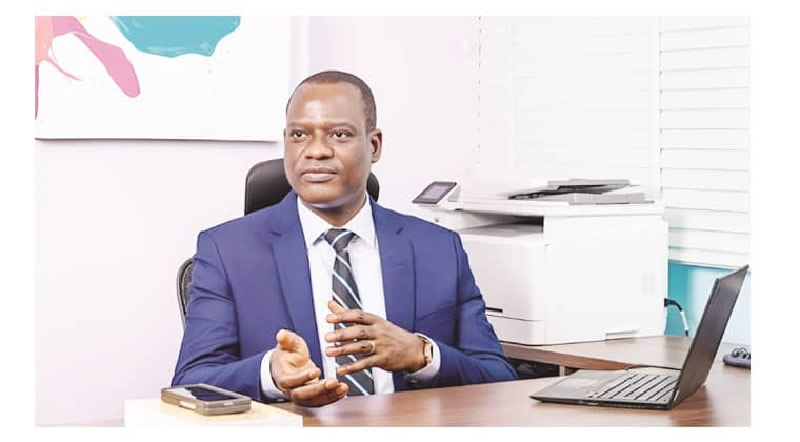
Nigeria’s immediate economic priority should be to increase citizens’ incomes at a faster rate than prices rise, rather than attempting to control prices or introduce additional taxes, Finance Minister Taiwo Oyedele has said.
Oyedele, who also serves as the Coordinating Minister of the Economy, made the clarification amid reports suggesting that the Federal Government intends to introduce a fuel tax once economic conditions improve.
He explained that any discussion of fuel taxation would depend on economic stability and whether Nigerians’ earnings could accommodate the additional cost. He stressed that the government’s current priority is to complete its reforms, restore economic growth and improve living standards.
Oyedele Rejects Claims of an Imminent Fuel Tax
In a statement on X on Tuesday, the minister described reports claiming that the government had plans to introduce a fuel tax as “fake news.”
He said comments he made during a recent interview had been misinterpreted and were not an official announcement of a new tax policy.
Oyedele also argued that introducing additional taxes immediately after removing the petrol subsidy would place further pressure on households already dealing with higher living costs.
“You remove subsidy, you can’t immediately impose taxes,” he said, adding that doing so would be insensitive and would “push the people to the wall.”
The clarification followed media reports suggesting that a fuel levy could be introduced after the economy stabilised and Nigerians’ incomes improved.
Income Growth Over Price Controls
Speaking on the sidelines of the 2026 International Monetary Fund and World Bank Annual Meetings in Bangkok, Thailand, Oyedele explained that suppressing prices had not proved to be a sustainable way to achieve prosperity.
He noted that fuel prices in many countries include substantial tax components, with taxes accounting for between 20 and 80 per cent of fuel prices in some markets.
However, he maintained that Nigeria must first stabilise its economy and strengthen citizens’ purchasing power before considering such measures.
According to the minister, the focus should be on ensuring that people earn more as prices rise, rather than relying on interventions aimed at keeping prices artificially low.
He said this approach would help expand the middle class, promote prosperity and support better living standards under President Bola Tinubu’s administration.
Oyedele reiterated that the immediate objectives remain completing economic reforms, stabilising the economy and returning the country to a path of sustained growth.
The minister’s clarification comes as Nigerians continue to face pressure from petrol prices and the wider cost of living following the removal of fuel subsidies in 2023.
Source: BusinessDay.
