LAFIA, November 20 (Radarr Africa) – State governments raised their health budgets by 67 per cent to more than N3.3 trillion in 2026, up from N1.97 trillion in 2023, the Federal Government said as it pressed the states to turn the money into measurable results.
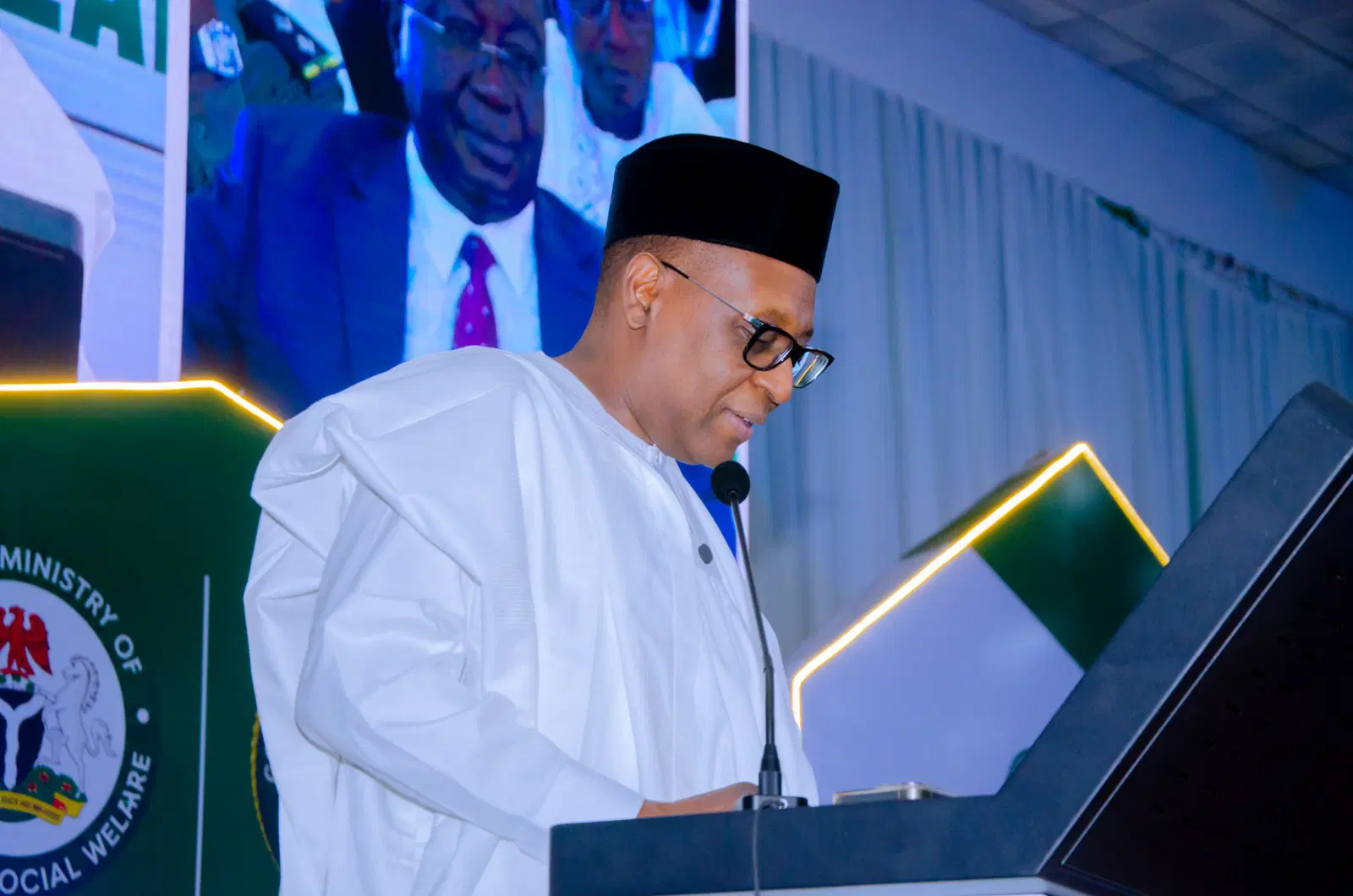
Muhammad Pate, coordinating minister of Health and Social Welfare, gave the figures in his keynote address at the 67th National Council on Health in Lafia, the capital of Nasarawa State in north-central Nigeria, on Thursday, November 19. The meeting’s theme was “From Commitments to Results”.
Pate called on states to sustain higher health investment and to release appropriated funds on time. He said budget commitments must lead to improvements in outcomes, especially at the primary healthcare level and in underserved communities.
He said states failed to implement 44 per cent of the health resolutions adopted at the previous National Council on Health meeting. Only 412 of the 740 expected implementation reports were received, about 56 per cent, and no state reported on all 20 resolutions adopted at the 66th council in Calabar.
Pate directed states to strengthen monitoring, assign clear responsibilities and timelines, and submit quarterly implementation reports through the council’s resolutions dashboard. He told members to adopt only resolutions that they can fund and implement, and to write council decisions into state budgets and operational plans.
The minister listed priorities for the states: better primary healthcare quality, stronger digital health systems, wider mental health services, and action on unequal access for rural and vulnerable groups. He also urged them to raise domestic resource mobilisation, expand health insurance for vulnerable people, boost local pharmaceutical production, and improve disease surveillance, laboratory capacity and emergency preparedness.
Pate said 2027 will be the final year of the Health Sector Strategic Blueprint, and that the council will consider proposals to review the National Health Act 2014.
Iziaq Salako, minister of State for Health and Social Welfare, called for a move from policy commitments to measurable improvements, particularly at the grassroots. He said earlier council engagements in 2024 and 2025 laid the foundation for a unified, sector-wide approach, and that the priority now is closing the gap between policy and service delivery.
Salako cited ongoing work to revitalise thousands of primary healthcare centres, expand financing and insurance coverage, recruit and train frontline health workers, improve infrastructure, advance digital health and strengthen local pharmaceutical manufacturing.
He said reducing preventable maternal, newborn and child deaths needs sustained gains in facility deliveries, emergency obstetric services and essential interventions, backed by reliable power, essential medicines, adequate staffing, functional equipment and accountable financing.
Salako asked members to judge proposed resolutions by their alignment with the national health transformation agenda, the institution that will implement them, delivery timelines and measurement mechanisms.
Salako also called for more health investment, faster progress towards the 15 per cent Abuja Declaration target, and timely and full release of health budgets. States with low antenatal coverage or a rising number of zero-dose children should develop costed recovery plans in their 2027 operational plans, he said.
