By Radarr Africa Business Desk
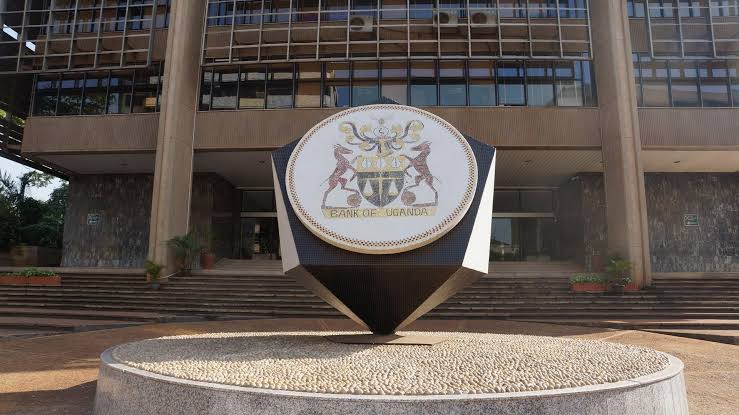
KAMPALA, November 11 (Radarr Africa) – The Bank of Uganda held its benchmark lending rate at 12% on Monday, saying it wants more time to see the effects of the emergency increase of 225 basis points it made in October to stem a sharp fall in the shilling.
Governor Michael Atingi-Ego said the Monetary Policy Committee judged that ‘current financial conditions are tight enough’ despite continuing uncertainty. The bank raised its inflation projections and cut its growth outlook.
Headline inflation rose to 5.8% year on year in October, a three-year high, driven by oil and food prices. The bank projects core inflation to average between 6.0% and 6.5% over the next 12 months, above its 5% target.
The forecast for economic growth in the 2026/27 financial year was lowered to between 5.5% and 6.0%, from between 6.0% and 6.5%. The shilling has recovered some ground since the October move but remains more than 11% weaker against the dollar this year.
The emergency hike was announced on October 14, at a meeting held ahead of its scheduled date in November, and took the rate up by 2.25 percentage points to 12%. The shilling rallied on the announcement and at one point rose more than 6% against the dollar that day. It had been down about 12% year to date before the hike.
At the time, Atingi-Ego said the increase was needed to keep a lid on inflation. Analysts pointed to high global oil prices linked to the Iran war, which raise demand for hard currency because Uganda imports much of its fuel. Portfolio investors had also withdrawn after the US Federal Reserve raised its rate in September, and weak exports, a large trade deficit, disrupted remittances from the Middle East and lower tourism receipts after Ebola cases in May and June added to the pressure.
The cost of borrowing in the market also moved sharply in October: the 10-year yield investors demanded to lend to Uganda jumped to 17%, which suggested markets saw room for further increases.
Fitch has estimated that Uganda will spend about one-third of government revenue on interest payments alone, which raises the stakes for how long rates stay high. JPMorgan said after the October hike that it expected a wait-and-see stance but that more increases could follow if currency and inflation pressures persisted.
