By Radarr Africa Business Desk
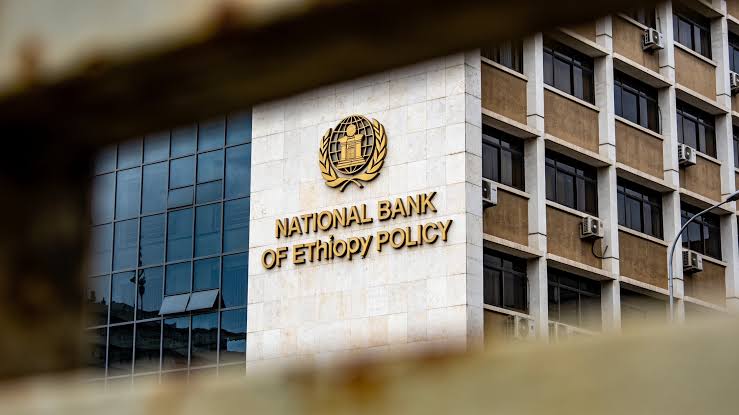
LAGOS, November 9 (Radarr Africa) – The National Bank of Ethiopia (NBE) kept its policy rate at 16 per cent on Tuesday, November 3, saying a tight monetary stance remains indispensable to bring inflation down to its single-digit medium-term goal.
The decision came at the Monetary Policy Committee’s eighth meeting, in Addis Ababa. The ±300 basis point interest rate corridor is unchanged. The central bank had raised the rate from 15 per cent in July.
Headline inflation was 14.9 per cent in September, well above the bank’s target. Food inflation eased to 14.8 per cent from 15.1 per cent in June, while non-food inflation rose to 15.1 per cent from 12.2 per cent. The committee attributed inflation mainly to supply-side factors following the Middle East conflict, with non-food increases coming from electricity tariffs, kerosene and firewood. It expects headline inflation to decline but remain in double digits over the next six months.
The NBE said its composite indicators point to strong growth momentum in the 2026/27 fiscal year, citing electricity generation, cement and steel output, tourist arrivals, bank credit, air passenger traffic, gold exports, capital goods imports and tax revenue.
Reserve money growth rose to 87.2 per cent in the first quarter of the fiscal year, from 72.6 per cent a year earlier, driven mainly by NBE gold operations that increased net foreign assets. Broad money grew 40.2 per cent year on year, up from 33.2 per cent, above projected nominal GDP growth.
Treasury bill yields and interbank rates have fallen and have been negative in real terms since May 2026. Banks reported low non-performing loans and adequate capital. Net deposits rose 85.4 per cent and credit rose 42.6 per cent year on year.
The government has not taken direct advances from the central bank for more than 27 months, the longest such period on record. Goods exports grew, led by gold and coffee, while imports also grew significantly and widened the trade deficit. The overall balance of payments stayed in surplus, though the surplus narrowed.
The committee said targeted reserve requirements, based on individual banks’ loan-to-deposit ratios, will continue if credit growth threatens the inflation path, and that open market operations will be used to absorb excess liquidity.
The NBE cited the International Monetary Fund’s October World Economic Outlook, which projects global growth of 3.1 per cent in 2026 and 3.4 per cent in 2027, and global headline inflation of 4.7 per cent in 2026, easing to 4.1 per cent in 2027. The next meeting is due at the end of January 2027, or earlier if conditions warrant.
