By Radarr Africa Business Desk
NEW YORK, November 11 (Radarr Africa) – US consumer prices rose a seasonally adjusted 0.4% in October from September, more than the 0.3% economists had forecast, and core prices rose 0.3% against an expected 0.2%, reviving concern that the Federal Reserve will raise interest rates again next month.
The monthly rise followed an increase of 0.6% in September. Within the October data, shelter prices rose 0.3% and food prices rose 0.5%, the Bureau of Labor Statistics data showed.
Fed Governor Christopher Waller said he would support a quarter-point rate rise at the December meeting even if October inflation had cooled. He added that a half-point rise should be considered if core prices rose 0.3% or more from September, which is what the data showed.
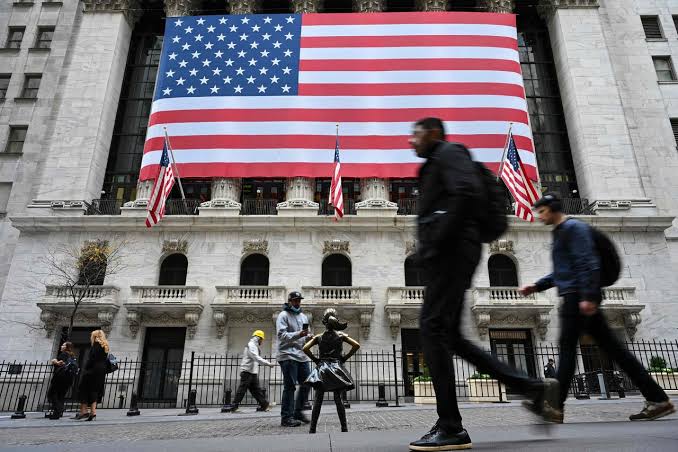
Investors reacted by selling bonds and shares. The 10-year Treasury yield rose about 13.8 basis points to 5.00%, and the two-year yield approached 4.75%. The dollar strengthened.
US stocks closed lower. The Dow Jones Industrial Average fell 0.30% to 52,231.89, the S&P 500 lost 0.38% to 7,520.93 and the Nasdaq Composite dropped 0.74% to 25,065.88. The S&P 500 technology sector fell 1.13%, the only major sector to lose more than 1%, while financials, energy and communication services led the gainers. About 61% of US-listed stocks declined.
Market strategists said they expect the Fed to act. Chris Zaccarelli of Northlight Asset Management forecast a quarter-point rise in December, and Skyler Weinand of Regan Capital said the Fed could hike a little more to calm inflation without harming the labour market.

Nvidia was among the day’s weakest large stocks, falling about 6.6% at midday amid scrutiny of its chief executive, which weighed on the technology sector.
Gold fell about 2.6% to around $4,031 an ounce in late trading, and silver dropped more than 3%. Oil also eased, with Brent crude settling at $91.49 a barrel, its lowest close since August 31.
Investors will next watch weekly jobless claims and the producer price index for October, which could shape expectations for the Fed’s December decision.
