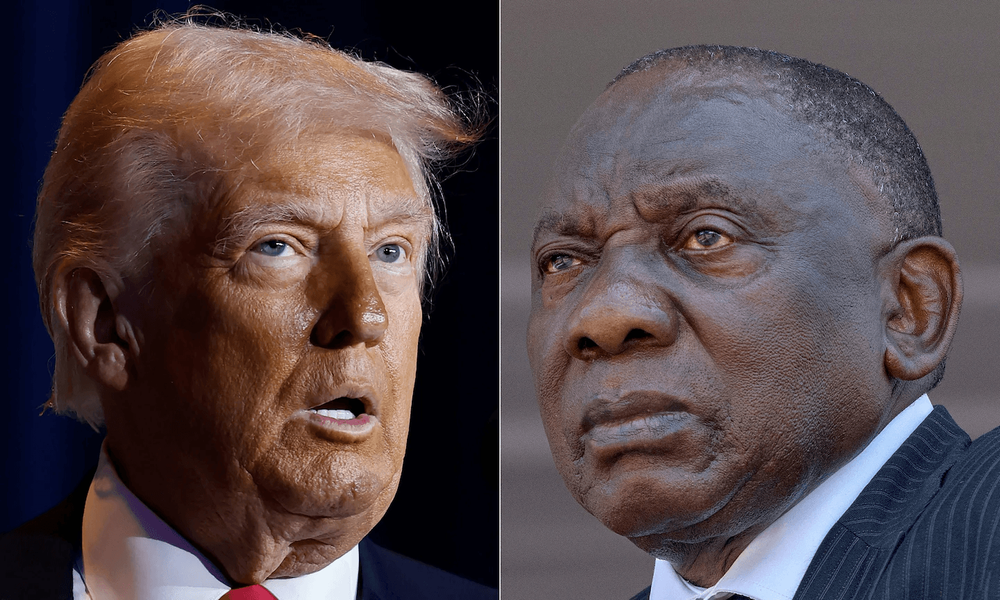
The United States has announced new visa restrictions on certain South African officials and foreign nationals linked to policies that Washington says promote uncompensated land seizures and race-based discrimination. The move marks the latest escalation in diplomatic tensions between the two countries over South Africa’s land reform agenda and broader policy differences.
U.S. Secretary of State Marco Rubio said the restrictions are aimed at individuals who are involved in implementing or supporting policies that the U.S. government considers harmful to minority groups. According to Rubio, the measures target “foreign nationals who are responsible for, or complicit in, the enactment or implementation of laws or policies that enable uncompensated land seizures, race-based discrimination, and/or the incitement of imminent violence against members of minority ethnic or racial groups in South Africa.”
The U.S. administration argues that South Africa has failed to adequately address concerns surrounding land expropriation policies and allegations of discrimination against minority communities. Rubio stated that “The South African government has not adequately addressed the previously laid out concerns,” while urging Pretoria to take corrective action.
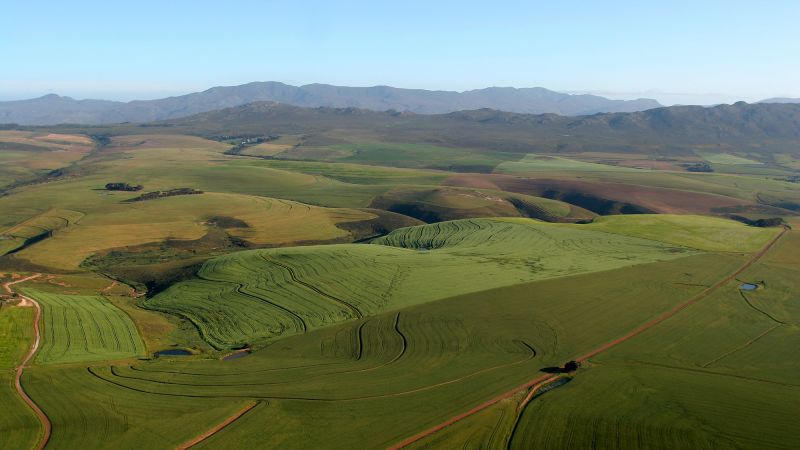
South African authorities have consistently rejected claims that their land reform initiatives are discriminatory. The government maintains that the policies are designed to address historical inequalities in land ownership that stem from the apartheid era. Officials have also denied allegations of persecution against white South Africans and have called for efforts to counter misinformation surrounding the issue.
The visa restrictions come amid a broader cooling of relations between Washington and Pretoria. In recent years, disagreements have emerged over South Africa’s land reform programme, its foreign policy positions, and its case against Israel at the International Court of Justice. These disputes have contributed to increasing diplomatic friction between the two nations.
While the U.S. has not publicly identified the officials affected by the new policy, the restrictions could impact individuals deemed responsible for implementing or supporting the contested measures. Certain family members may also be subject to the restrictions under U.S. immigration law.
Read also on Radarr: South African gas startup targets dual listing in New York and Johannesburg | Africa’s Credit Outlook Improves as New Rating Agency Targets Borrowing Costs
