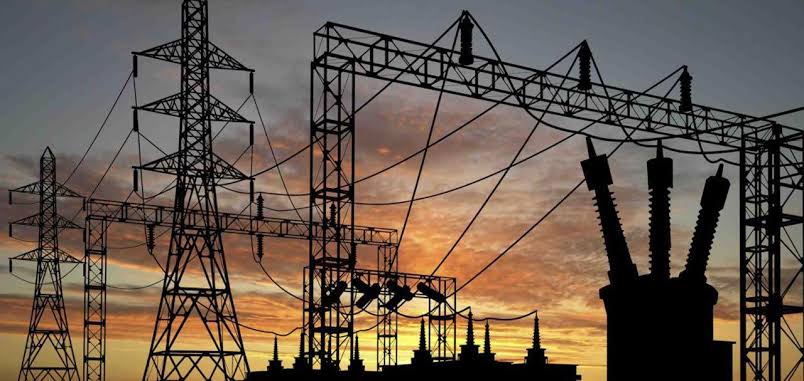
The recent power outage across parts of Haryana has brought electricity reliability into focus, raising questions about whether a new private distributor can improve service for households and businesses.
The disruption followed a three-day strike by electricity department employees protesting a regulatory decision that allows a private company, Eleven Power Private Limited, to distribute electricity alongside the existing state-owned utility in Gurugram and Nuh.
The Haryana Electricity Regulatory Commission (HERC) granted the company a 25-year distribution licence on October 19, 2026. The decision opens the door to a new distribution model in which eligible consumers could eventually choose between the private company and Dakshin Haryana Bijli Vitran Nigam (DHBVN), the state-owned distributor currently serving the two districts.
But the licence does not mean the new company is already supplying electricity or that consumers will immediately experience fewer outages. Eleven Power must develop its distribution infrastructure before supplying customers in the areas covered by its rollout.
The central question is whether the proposed competition will translate into more reliable electricity, faster repairs and better service for consumers.
What the new licence changes
Under the arrangement approved by HERC, Eleven Power can develop a parallel electricity distribution network in Gurugram and Nuh, operating alongside the existing state-owned utility.
According to reporting by Business Standard, more than 830,000 electricity consumers in the two districts could eventually have a choice of supplier as the private company’s network reaches their areas. The company has outlined a planned investment of approximately ₹4,717 crore over five years, with electricity supply expected to begin in 2027–28.
The proposed model is intended to introduce another distribution provider into an area currently served by DHBVN. However, the practical effect on individual consumers will depend on the infrastructure developed, the areas covered and the conditions under which customers can switch providers.
Electricity distribution involves more than billing customers. A distributor must develop and maintain the network needed to deliver power, respond to faults, manage customer complaints and meet applicable regulatory requirements.
For consumers, the important question is whether the arrival of another distributor will improve these services in measurable ways.
The licence establishes the regulatory basis for the new company to operate. It does not, by itself, establish what service quality will look like once the company begins supplying electricity.
Will competition lead to fewer power outages?
One argument in favour of allowing another distributor into the market is that competition could encourage existing and new providers to improve their services.
If customers can choose between suppliers, providers may face greater pressure to resolve complaints promptly, invest in infrastructure and maintain reliable service. Consumers may also have an alternative if they are dissatisfied with their current provider, subject to the network’s availability and the applicable switching arrangements.
However, competition does not automatically guarantee fewer outages.
Reliability depends on several factors, including the condition of distribution infrastructure, maintenance practices, the speed of fault detection and repair, and the resources available to respond to breakdowns.
The new company will therefore need to demonstrate that it can build and maintain a network capable of meeting consumers’ needs. DHBVN’s performance will also remain relevant because it is the established distributor and may continue serving customers who do not switch.
The recent strike illustrates how electricity supply can be disrupted when repair work and operational services are affected. But it should not be treated as evidence that the existing distributor is inherently unreliable or that a private operator would necessarily have avoided the same disruption.
A fair assessment requires comparisons based on actual performance rather than assumptions about public or private ownership.
What will consumers need to know before switching?
The prospect of choosing an electricity provider may sound straightforward, but consumers will need clear information about what that choice involves.
First, they will need to know whether the new distributor has completed the infrastructure required to serve their particular area. A licence covering an entire district does not necessarily mean that every neighbourhood will be connected to the new network at the same time.
Second, consumers will need clarity on tariffs, billing arrangements, complaint procedures and the process for switching suppliers. They should also understand how service interruptions will be handled and which organisation is responsible when a fault affects shared or interconnected infrastructure.
The regulator’s licence conditions and subsequent implementation decisions will be important in answering these questions.
Consumer protection will matter as much as the existence of a second supplier. If a customer has a billing dispute or experiences repeated outages, there should be a clear process for seeking a resolution.
The performance of both distributors will ultimately need to be assessed against applicable service obligations and regulatory standards.
The investment plan is only the beginning
Eleven Power’s proposed investment of approximately ₹4,717 crore over five years is a significant commitment on paper. But the amount announced should not be confused with money already spent or infrastructure already completed.
Building a distribution network requires planning, equipment, connections, substations and other infrastructure, as well as the systems and staff needed to operate it.
The pace of implementation will therefore be important. Consumers will want to know which areas will be covered first, when connections will become available and how the company will meet demand as its network expands.
There are also regulatory questions to examine. Before the licence was granted, DHBVN raised concerns about the cost of developing infrastructure capable of meeting service obligations across the two districts. An expert committee examining Eleven Power’s application recommended that the licence could be granted subject to conditions, while questions remained about implementation and the phased development of the network.
These disagreements make the details of the licence and the regulator’s safeguards particularly important. The company’s investment plan, the regulator’s requirements and the timetable for delivering infrastructure should be examined together.
The real test will be whether the promised investment produces a functioning network that meets the needs of the consumers it is authorised to serve.
What would prove that the new model is working?
The most useful way to evaluate the new arrangement is to establish a baseline before the private distributor begins operations and then measure changes over time.
Several indicators would help show whether consumers are benefiting:
- Outage frequency and duration: How often do interruptions occur, and how long does it take to restore electricity?
- Repair response: How quickly are faults acknowledged, investigated and resolved?
- Voltage quality: Are consumers receiving electricity at appropriate voltage levels?
- Complaint resolution: How many complaints are resolved within the required timeframe?
- Consumer costs: How do tariffs, fees and billing practices compare under the applicable regulatory framework?
- Infrastructure delivery: Is the company meeting its announced investment and rollout milestones?
These measures would make it possible to distinguish improvements in service from claims made when the licence was announced.
The regulator, consumer groups and the distributors themselves all have a role in making reliable performance information accessible. Without comparable data, consumers may find it difficult to determine whether switching providers offers a genuine benefit.
The real test begins when supply starts
Haryana’s new parallel distribution arrangement offers the possibility of greater consumer choice in Gurugram and Nuh. Whether it delivers better reliability will depend on the quality of the infrastructure, the implementation of the licence conditions and the performance of both distributors.
The recent power outage has demonstrated the disruption that can follow when electricity faults go unresolved. But the longer-term question is whether the proposed changes will make the system more resilient and improve the experience of consumers.
For now, the private distributor’s licence is a regulatory development, not proof of better service. The more meaningful assessment will come when its network is operational and consumers can compare actual performance.
Until then, households and businesses will need clear information about the rollout, their rights and the standards each distributor is expected to meet.
The success of the new arrangement should ultimately be measured not by the promise of competition, but by whether consumers receive more reliable electricity and better service.
