The International Monetary Fund (IMF) has reached a staff-level agreement with Ghana on the first review of the country’s 36-month Policy Coordination Instrument (PCI), recognising progress in economic reforms while calling for further efforts to strengthen reserves and government revenue.
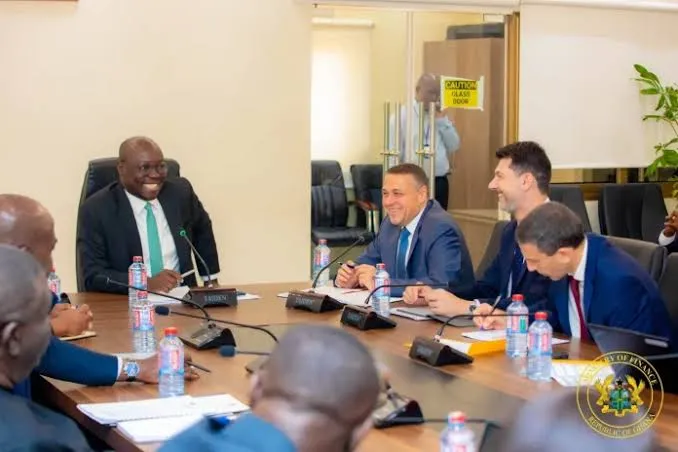
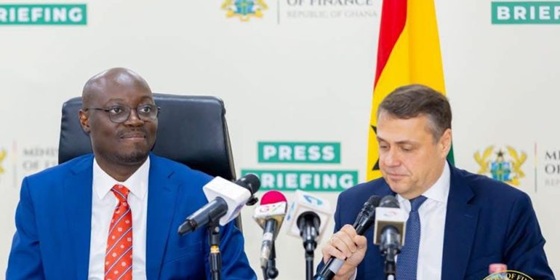
The agreement followed discussions between an IMF team led by Ruben Atoyan and Ghanaian authorities in Accra from October 22 to November 4, 2026.
According to the IMF team, Ghana’s performance under the programme has been broadly satisfactory, with most quantitative targets met and structural reforms progressing.
The agreement is subject to approval by IMF management and a subsequent decision by the Fund’s Executive Board.
The PCI is a non-financing arrangement designed to support countries with economic reform programmes and provide a framework for policy coordination. Unlike an IMF lending programme, it does not provide direct financial disbursements.
Ghana records stronger economic growth
The IMF said Ghana’s economy grew by 6.2% year-on-year in the first half of 2026, supported by investment and stronger economic activity.
The Fund projected full-year growth of 5.7%, reflecting continued recovery and improving macroeconomic conditions.
The country has also made progress in reducing inflation and restoring confidence in its currency following a period of severe economic instability, high public debt and pressure on foreign-exchange reserves.
Ghana’s economic recovery has been supported by fiscal adjustments, monetary policy measures, stronger external balances and progress in restructuring its public debt.
The IMF said these developments have helped strengthen macroeconomic stability, although the country still faces risks that could affect the durability of the recovery.
IMF calls for stronger reserves and revenue collection
Despite the progress, the IMF identified the need for Ghana to continue building its foreign-exchange reserves and improving domestic revenue mobilisation.
Stronger reserves are important for meeting external payment obligations, supporting currency stability and providing protection against economic shocks.
The government also faces pressure to improve revenue collection while maintaining fiscal discipline and funding public services.
The IMF’s assessment highlights the importance of maintaining reforms in public financial management, strengthening oversight of state-owned enterprises and safeguarding the independence of the Bank of Ghana.
These measures are intended to reduce fiscal risks and support a more sustainable economic recovery.
What the agreement means for Ghana
The staff-level agreement provides an indication that Ghana’s economic reform programme is progressing, but it does not mean the review has been fully completed.
The IMF’s Executive Board must still consider the findings before the review receives final approval.
The PCI is particularly important because it provides a framework for Ghana to maintain policy discipline following the completion of its previous Extended Credit Facility programme.
For investors and international lenders, continued progress under the arrangement could strengthen confidence in Ghana’s economic management and support access to financing.
However, the country’s ability to sustain growth will depend on whether improvements in inflation, public finances and external reserves can be maintained.
The latest agreement therefore represents progress in Ghana’s recovery, while the IMF’s recommendations show that further work remains necessary to strengthen the country’s economic position.
