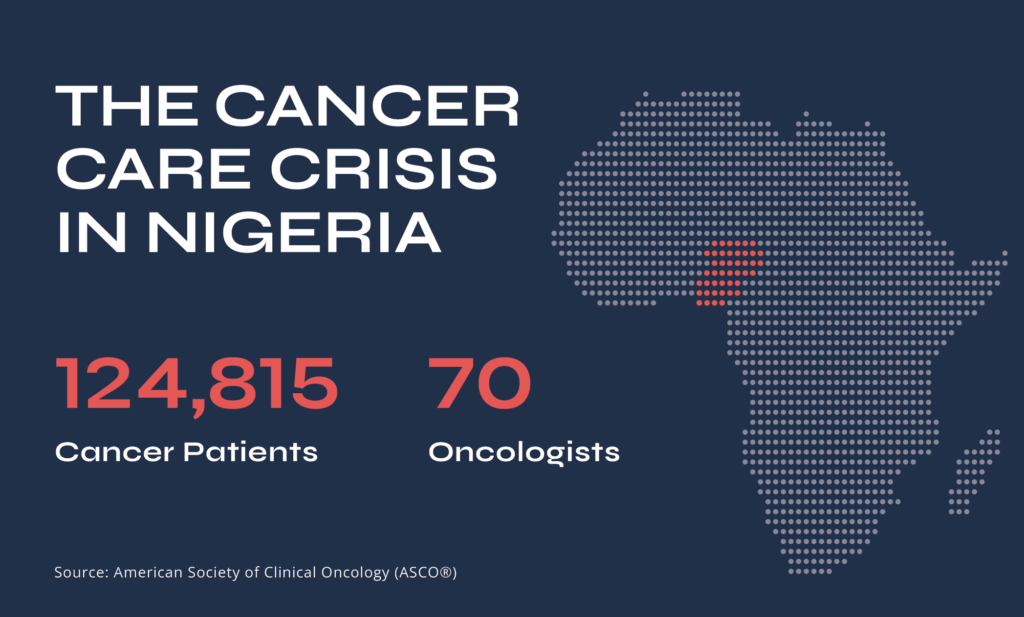
Clinical oncologist Dr Omolola Salako has raised concerns over the number of cancer patients in Nigeria who discontinue treatment because of the high cost of care, which she said can range from ₦10 million to as much as ₦60 million.
Speaking during an interview on ARISE NEWS on Sunday, Salako said affordability remains one of the biggest challenges in cancer care, even though some patients are now getting to hospitals early enough for treatment.
“Where treatment is costing anywhere from 10 million to 15 to 60 million, in reality, many cancer patients are presenting to the hospital early, but they are dropping out of treatment,” she said
According to the oncologist, Nigeria has six major cancer treatment options: surgery, chemotherapy, radiotherapy, immunotherapy, targeted therapy and hormone therapy.
“There are about six treatment modalities, surgery, chemotherapy, radiotherapy, immunotherapy, target therapy and hormone therapy, we do have health insurance, but very few Nigerians are health insured. And then there’s a huge cap on cancer care,” Salako stated.
Early Detection Can Improve Cancer Outcomes
Salako, who is also the Chief Executive Officer of Pearl Oncology Specialist Hospital, stressed the importance of detecting cancer early.
She explained that while some cancers cannot always be prevented, early detection can make treatment more effective, particularly for cancers such as breast and prostate cancer.
The oncologist noted, “On the second pillar is early detection. So, you know, 40% of cancers can be prevented, but some cancers can’t be prevented, but we can detect them early, like breast cancer, prostate cancer, part of the challenges we have with the available resources in the government, public sector and the private sector, we have underutilisation of the services. So I would like to pin more on public education.”
She encouraged Nigerians to make regular medical check-ups a priority and to consult specialists when symptoms persist.
“As Nigerians, we should focus on our annual medical checkup. That would be the first thing for every age and every gender,” she stated.
Salako also recommended age-appropriate cancer screening and routine medical examinations, including Pap smears for women from age 21.
She advised people whose symptoms persist or return after treatment to seek another medical opinion rather than ignoring the signs.
“The second thing is when a symptom persists, present to the hospital. If you are not satisfied with the resolution of the symptom, or the symptom continues, it comes, it goes, it’s persistent, then seek a second opinion,” she explained.
Cancer Can Be Curable When Detected Early
Salako said cancer is not necessarily a death sentence, particularly when the disease is identified at an early and potentially curable stage.
“The goal is to cure it. We can cure it when it’s, it’s potentially curable at stage one and stage two.”
However, she explained that some people diagnosed with stage-four cancer can still live for extended periods, depending on where the disease has spread and their overall health.
“So it depends where the cancer spreads to,” she clarified.
According to Salako, cancer that spreads to vital organs such as the brain, liver or lungs can become particularly dangerous because these organs are essential to the body’s functioning.
“When cancer spreads to other places like the brain, the liver, the lungs, those are essential organs that we can’t do without.”
She added that advanced cancer does not automatically mean there are no treatment options. However, the condition of vital organs can determine whether a patient is physically able to tolerate intensive treatment.
“So sometimes patients present with advanced disease and it’s not that there’s no treatment. It is that the organs are not optimal enough, are not working well enough to receive that type of heavy treatment within the body,” she concluded.
