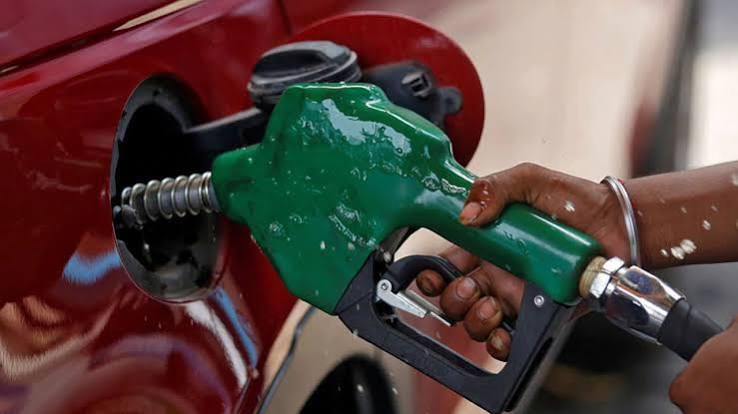
The Lagos Chamber of Commerce and Industry (LCCI) has urged the Federal Government to introduce a six-month petrol price reduction programme targeting a 15 to 20 per cent cut in pump prices to ease pressure on businesses and households.
The chamber said the government’s proposed petrol price-stabilisation mechanism was a welcome step but warned that keeping prices stable at elevated levels would not sufficiently address the high cost of doing business in Nigeria.
Chinyere Almona, director-general of the LCCI, said the proposed ceiling of ₦1,350 per litre on petrol landing or ex-gantry costs, alongside monthly reviews and public disclosure, could help limit sudden price increases.
However, she stressed that the policy must also deliver gradual and sustainable reductions in the prices consumers pay at filling stations.
According to the chamber, businesses continue to face high electricity tariffs, costly alternative power sources, rising transportation and logistics expenses, and expensive financing. These pressures have increased production and distribution costs while weakening household purchasing power.
The LCCI also warned that requiring refiners and importers to absorb temporary increases in supply costs and recover them later could create deferred financial obligations. Without transparent rules, these costs could eventually push petrol prices upward again.
LCCI Outlines Measures to Reduce Petrol Prices
To achieve its proposed reduction target, the chamber called for closer cooperation between the government, domestic refiners, petroleum marketers and regulators.
It recommended five key measures:
- Improve crude oil supply to local refineries: More predictable supplies under transparent commercial arrangements could reduce procurement uncertainty and foreign exchange exposure.
- Expand alternative transportation: Accelerating compressed natural gas (CNG) adoption and electric vehicle infrastructure could reduce dependence on petrol.
- Cut distribution costs: Addressing transportation bottlenecks, improving storage facilities and eliminating illegal charges could lower the cost of delivering fuel.
- Maintain exchange-rate stability: Reducing foreign exchange volatility would help make petroleum supply costs more predictable.
- Ensure transparency and commercial sustainability: Clear rules should govern the stabilisation mechanism and prevent unlimited financial losses for refiners and importers.
The chamber maintained that any intervention must protect private investment and avoid creating conditions that could discourage fuel supply or trigger shortages.
Businesses Need Lower Operating Costs
The LCCI said Nigeria could not permanently shield its domestic petroleum market from changes in global crude oil prices and foreign exchange movements.
It argued that lasting relief would require addressing local inefficiencies that add to the cost of supplying and distributing petroleum products.
The chamber urged the government to assess its policies by whether they lead to lower fuel expenditure for businesses, reduced transportation costs and meaningful relief for consumers, rather than simply preventing sudden price increases.
It added that although Nigerian businesses had continued to operate despite difficult economic conditions, sustained competitiveness would depend on more affordable energy, efficient logistics and predictable government policies.
